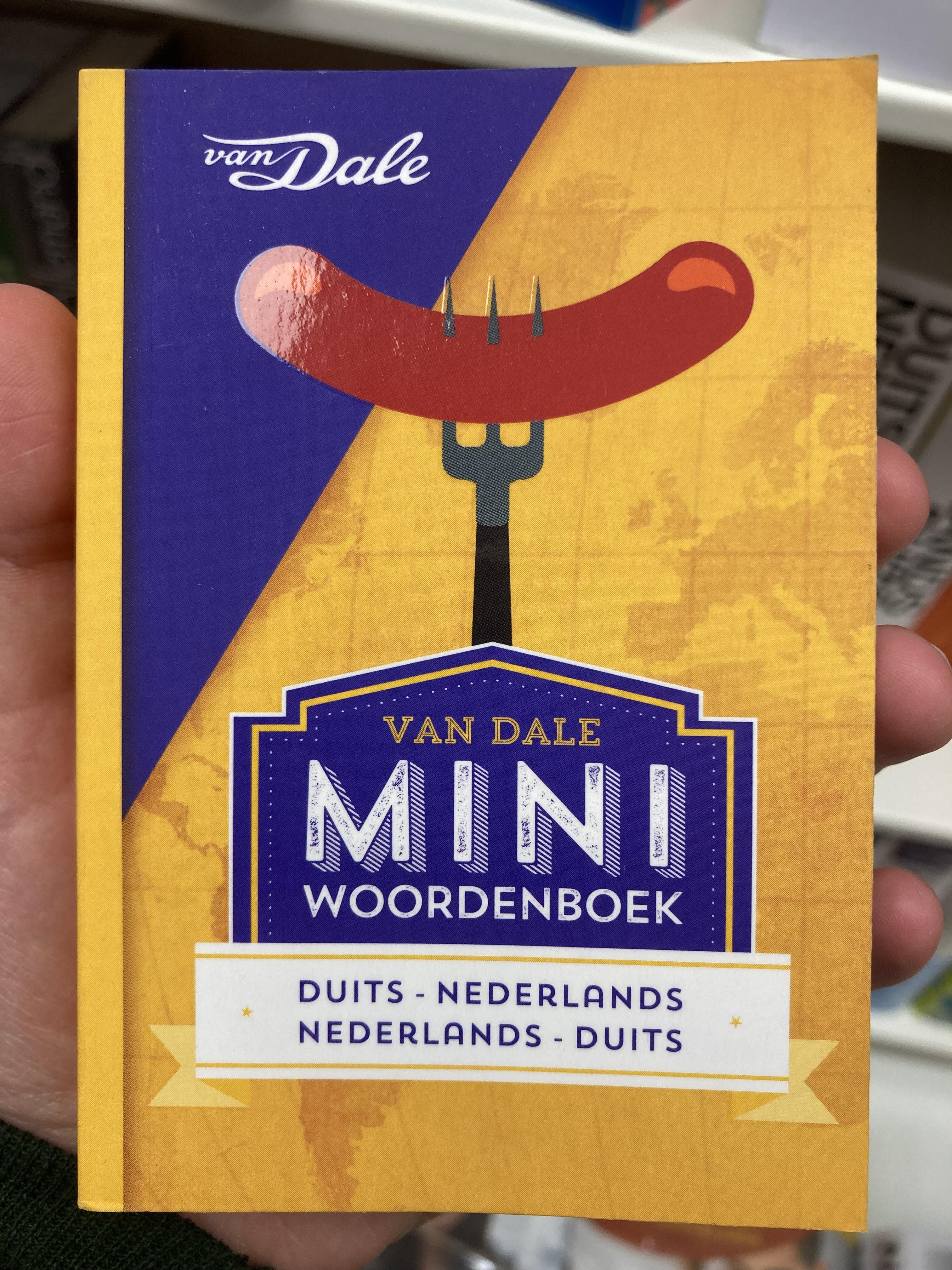
Over the course of the week, I took my mom to museums, to try German foods like the Döner, and then to Berlin for a few days. I guess I had forgotten how foreign Germany was. I had spent so much time just reading German signs and plaques with ease, just absorbing their meaning in German without bothering to translate to English in my head. I had to slow down so much with my mom. I translated plaques, instructions, overheard conversations, and ordered for my mom at restaurants since she felt awkward about being the stereotypical American who just expects everyone else to speak English. Translating on the spot is a lot more work than I realized, but it also reminded me just how “German” I've become. The whole time, all these things that I'd adapted to seemed wild and foreign to my mother: from the trains and bike paths to tipping culture and clothes hanging up outside to dry. In some ways, it felt like I was more German than American.
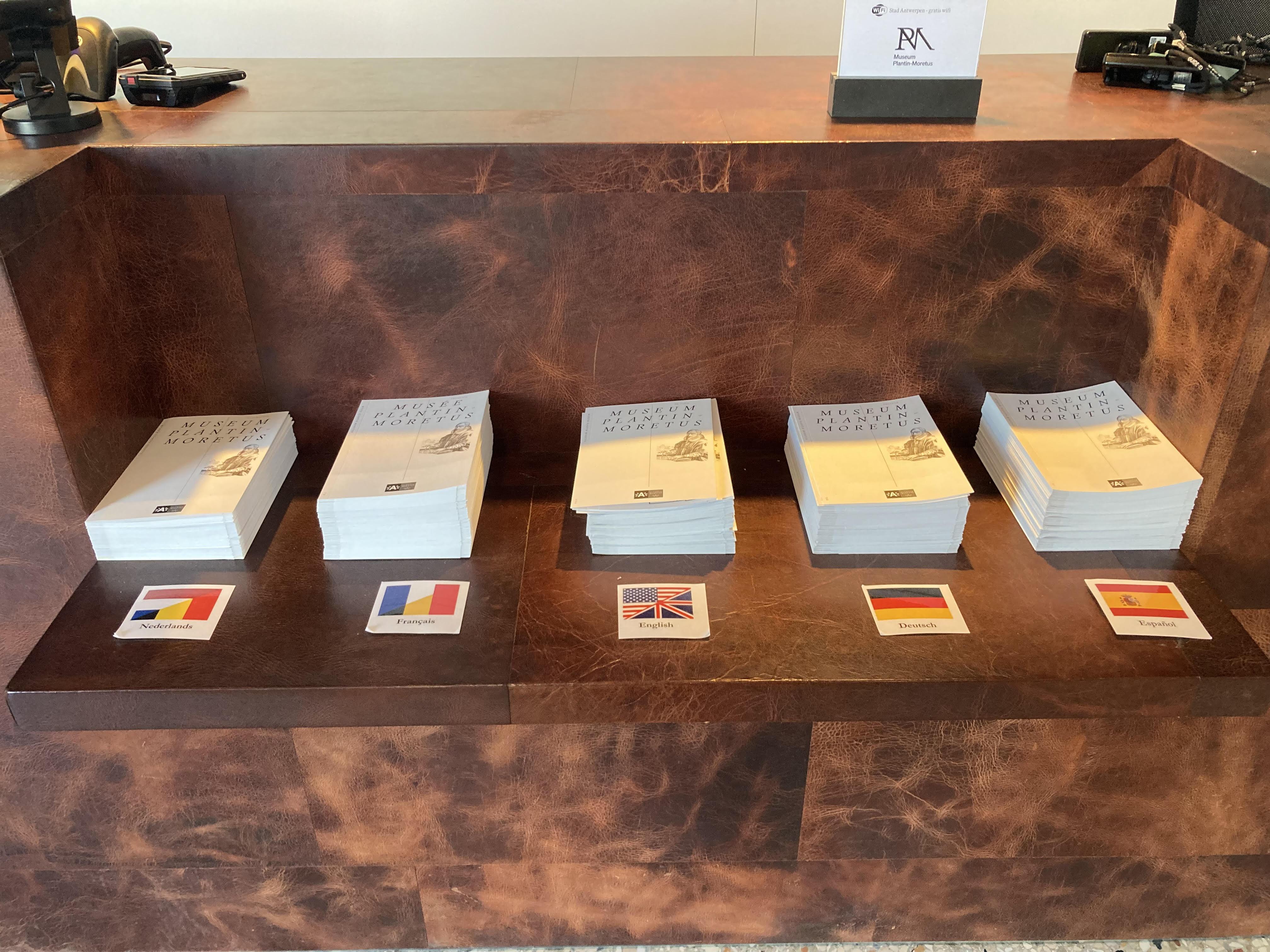
I got more of that experience after my mother returned to the US, and I traveled to Belgium for a few days. I took a 6-hour bus ride from Mainz to Brussels. I used my French as much as I could there, having little trouble with plaques and signs, but struggling with understanding when people spoke quickly, or I had to ask for something. When something was too complicated for me to handle in French and, later, when I stayed in Antwerp (where the main language is Dutch, which I do not speak), I would begin conversations by asking, “English, Deutsch?” A lot of people genuinely assumed I was German when I did this.
I also felt this special connection when I heard other tourists in Belgium speaking German, like at the EU Parliament visitor's center.