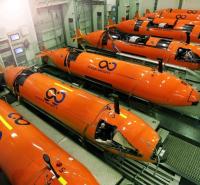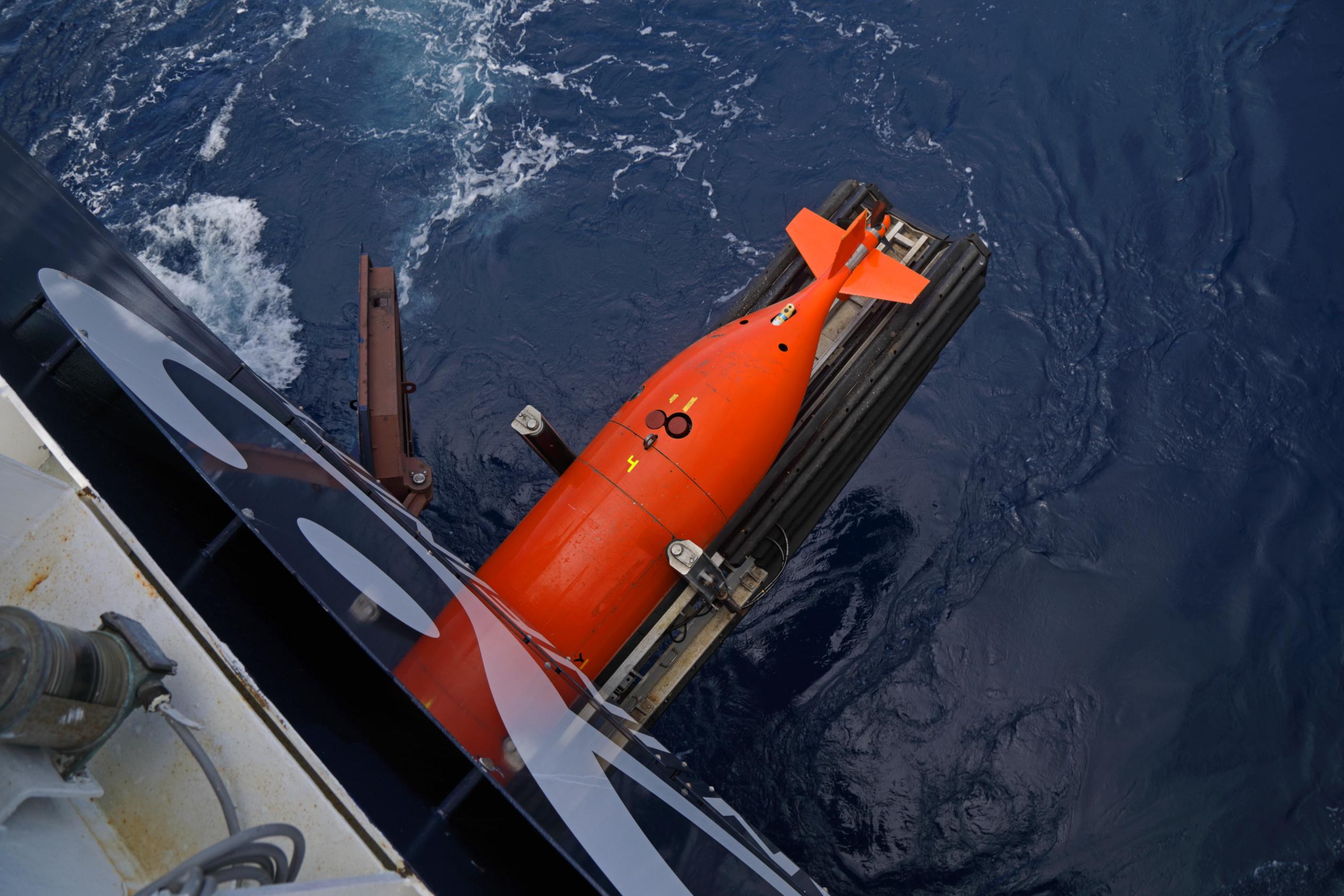
These vehicles collect sonar data and return to the surface so the information can be downloaded and analysed later.
That means you don’t know whether you’ve found anything until the dive is complete.
We searched the initial area thoroughly, but found nothing. As the project went on, it became clear that we were approaching the end of our planned operations. When the final AUV was recovered, emotions were running high. The search was ending, and there were still no answers.
One Last Call
At that point, the AUVs were secured on deck and the vessel was preparing to leave. Then we received a call from a colleague back home who had been reviewing the data again. One sonar signal - an anomaly - had originally been classified as not needing further investigation, but something about it didn’t sit right with him. He asked us to go back and take one more look.
It wasn’t an easy decision. The location was a long distance away, and technically the project was complete. But approval came through, and we launched the AUV again. That decision changed everything.
Finding the Submarine
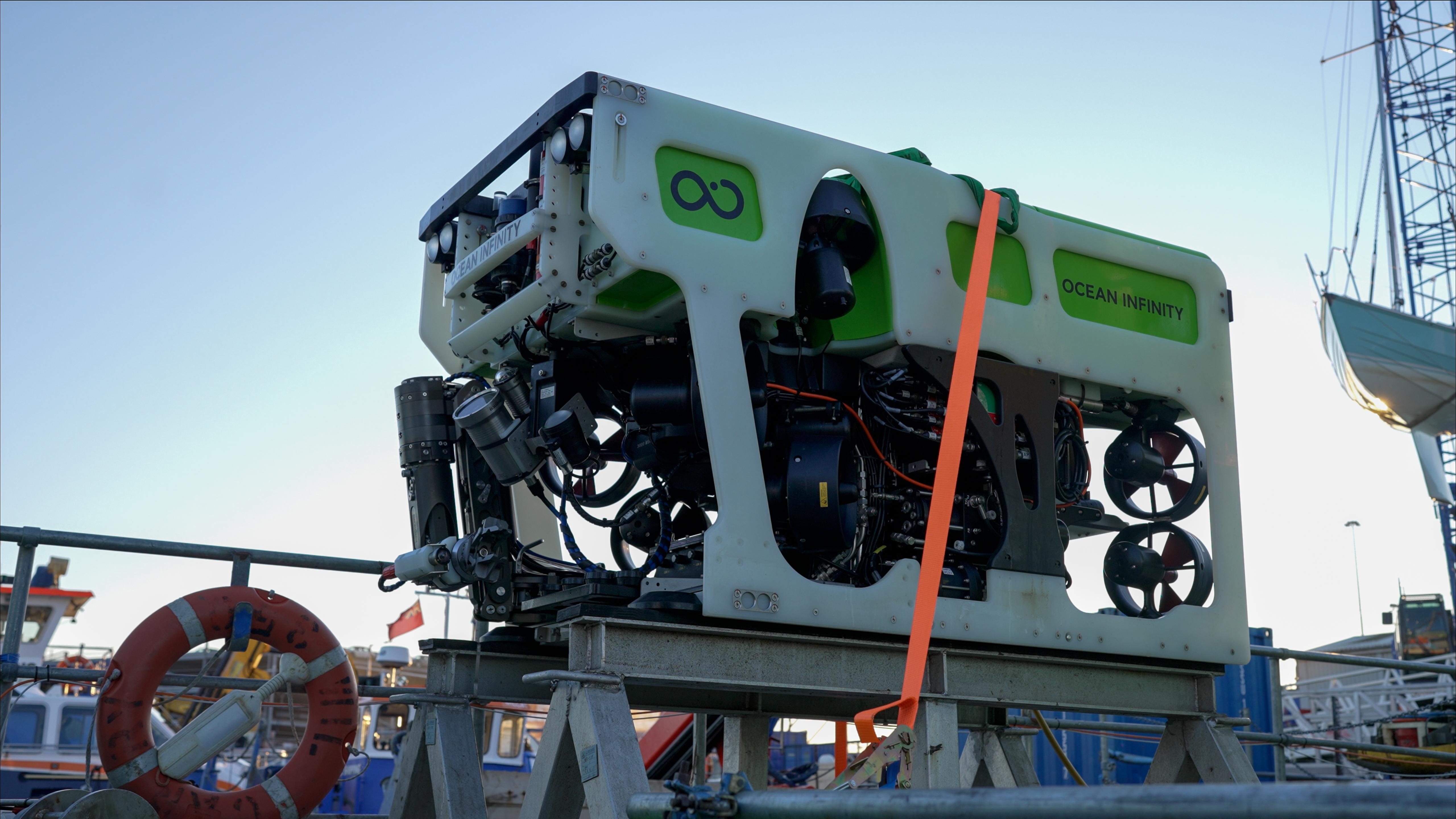
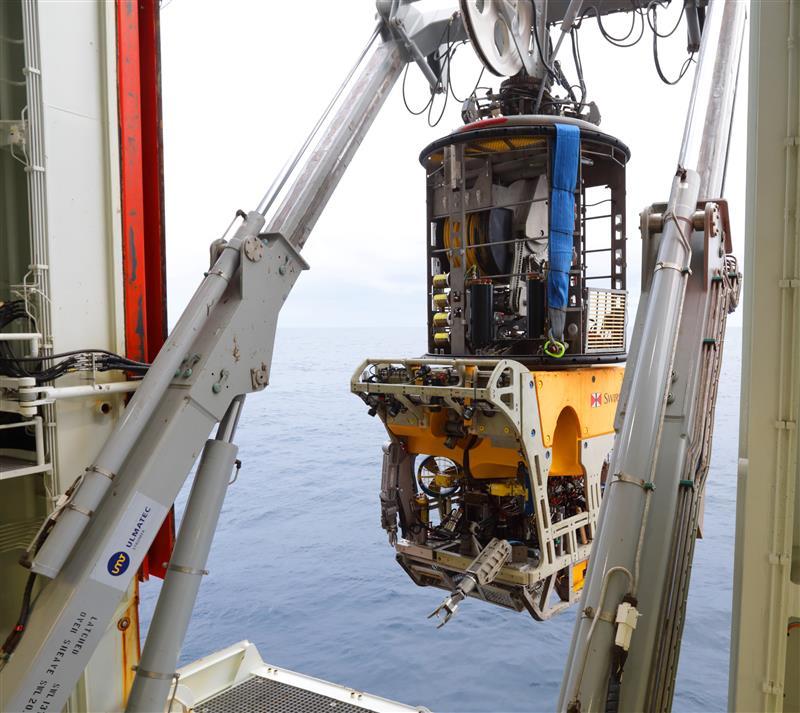
After the AUV returned, the data was reviewed, and this time it was clear that we had found something. To confirm it, we deployed a remotely operated vehicle (ROV), which sends live video back to the ship.
Both Navy personnel and family members were present as the ROV approached the seabed. The room was completely silent. Everyone was anxious, not just about whether this was the submarine, but about what we might see.
As the ROV moved closer, we saw debris: metal and mechanical parts.