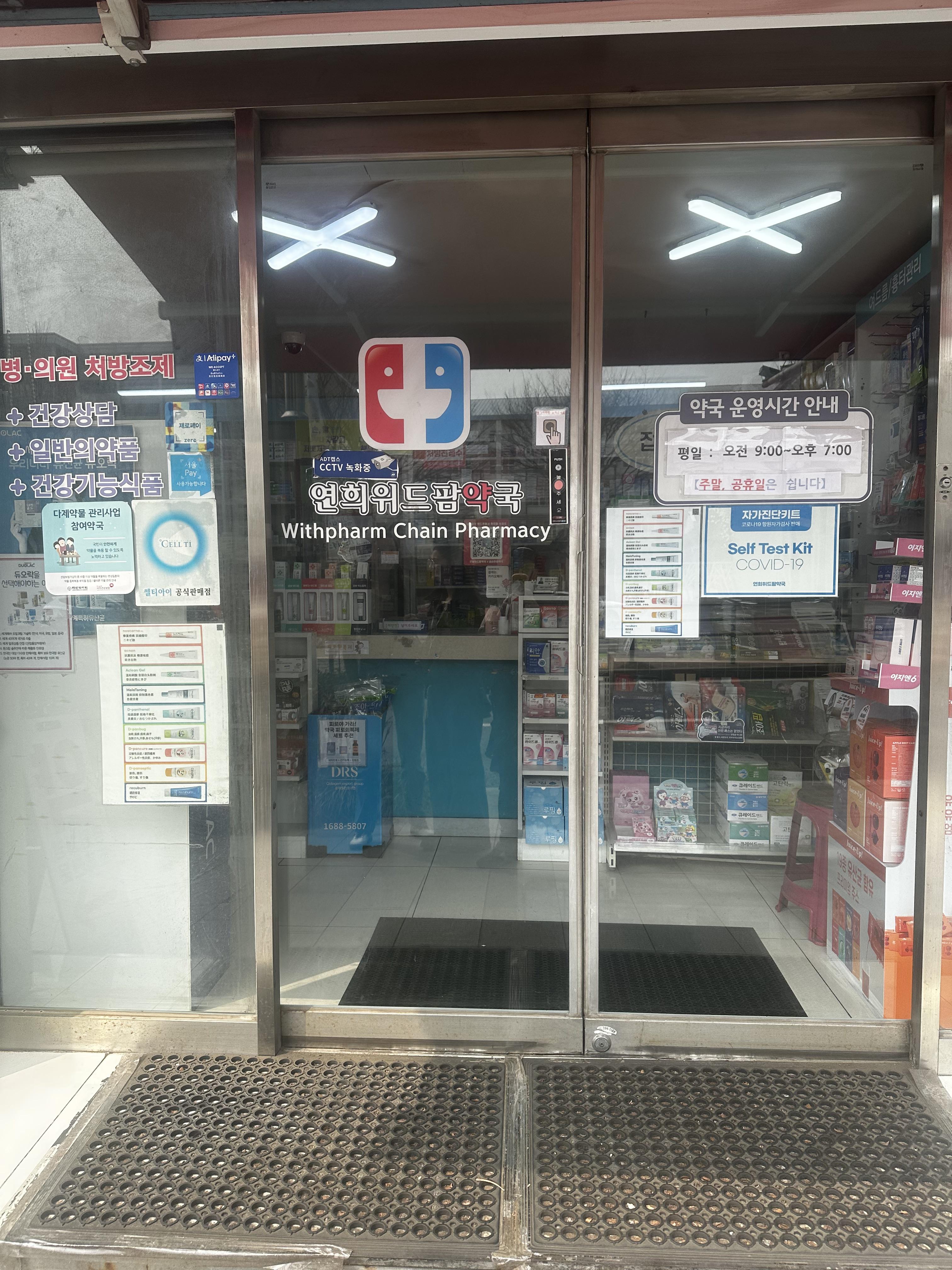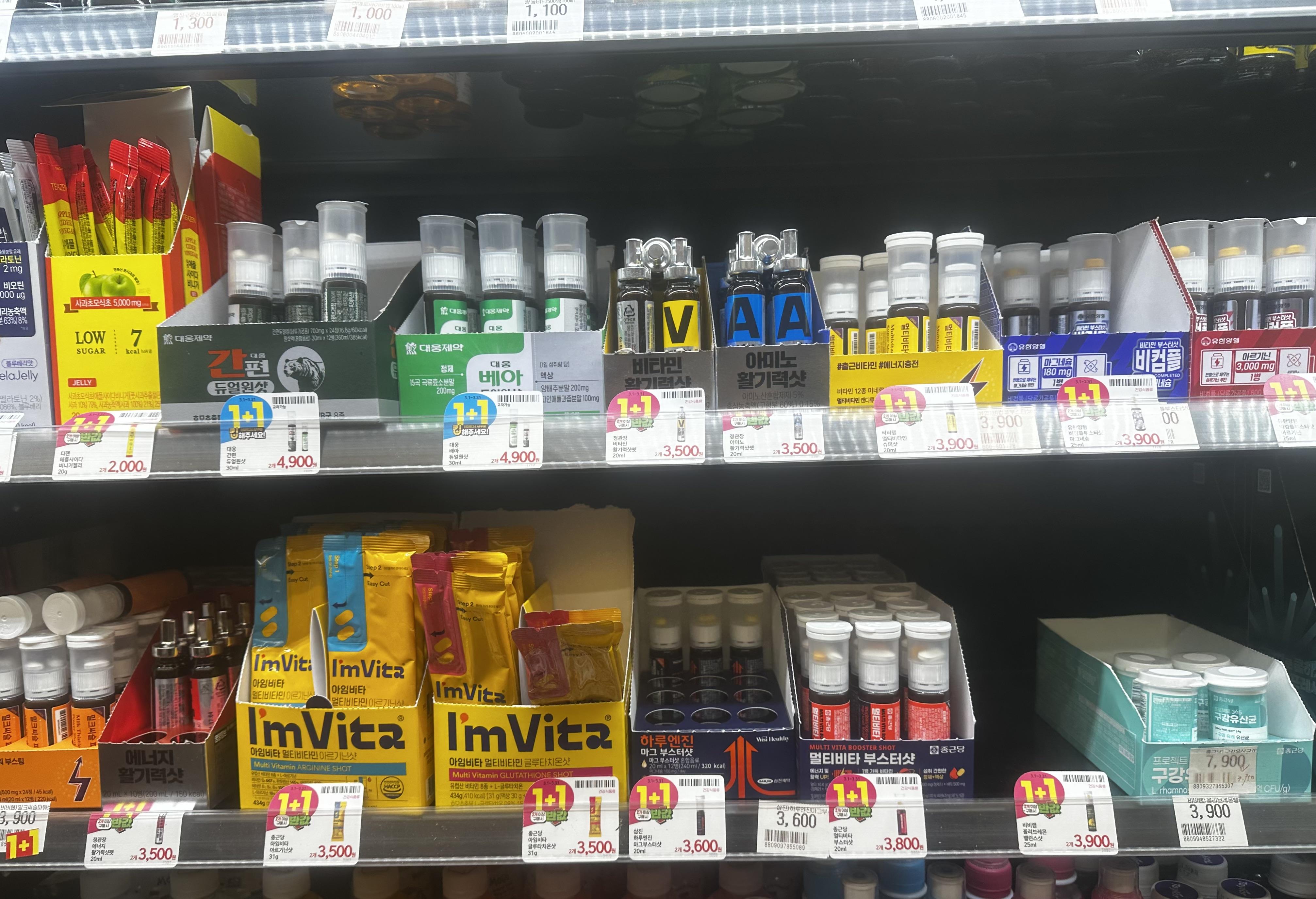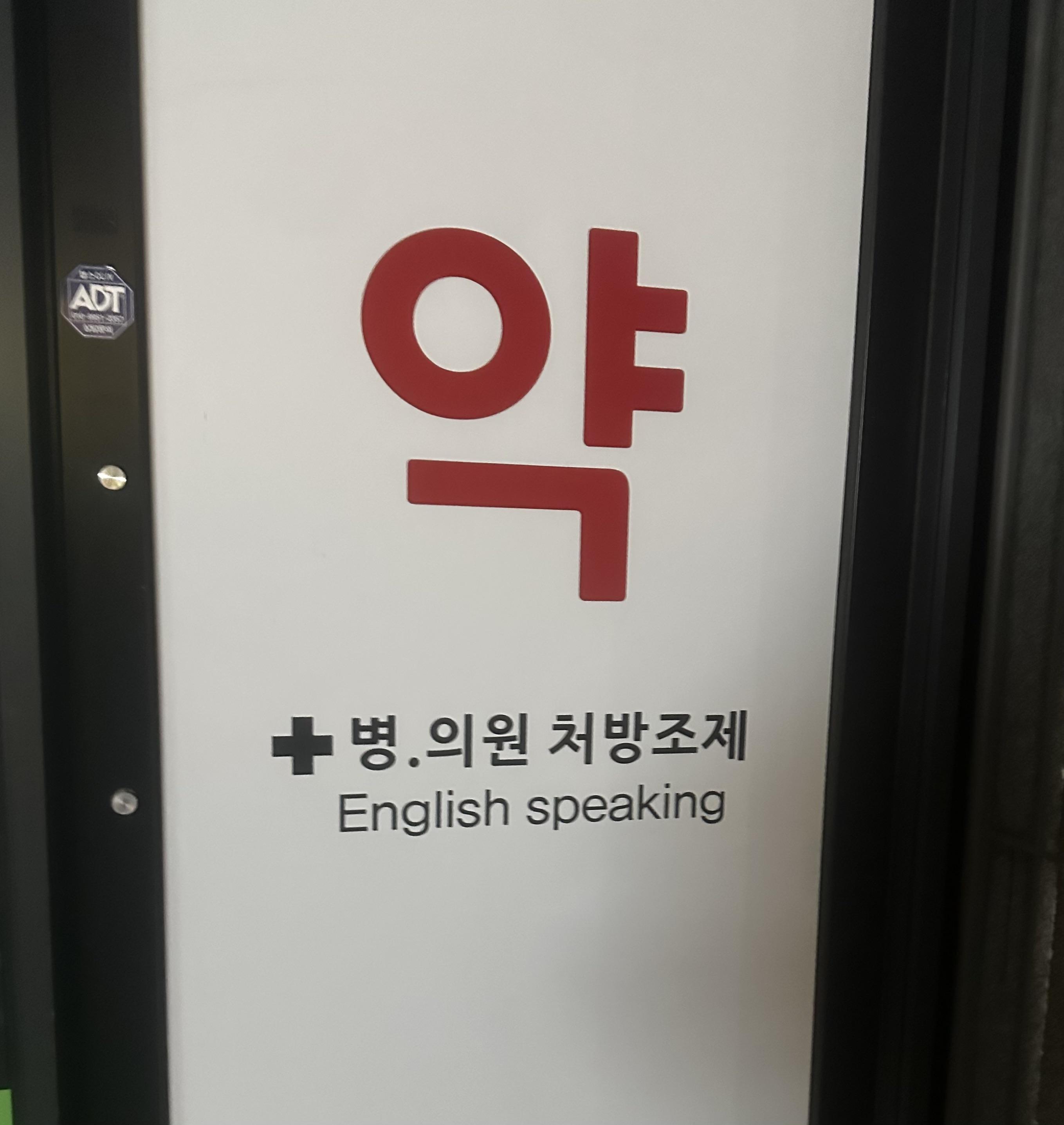
One person I spoke to mentioned they were able to visit a clinic and receive medicine on the same day. Part of this is because of Seoul’s fast-paced lifestyle and South Korea’s cultural emphasis on efficiency. However, this is a double-edged sword. Pharmacists serve customers quickly, but it can also make it harder to ask questions or get clarification.
One important feature of healthcare in South Korea is accessibility. Because there are so many pharmacies and clinics, people can quickly get help when they need it. For example, in the United States, accessing healthcare can often require appointments scheduled days in advance, while in Seoul many services are available almost immediately. Medical attention is often approached through an efficiency lens instead of being a highly personalized experience. With hundreds of people to attend to every day, being quick and accurate are not just business advantages, but necessary skills.
On that note, apart from pharmacies, there are also many small clinics. Each of them focuses on a specific area, such as skin care, dentistry or general medicine. These usually have signs saying 피부과 (pibugwa - dermatology), 치과 (chigwa - dentistry) and 내과 (naegwa - internal medicine). Internal medicine refers to a specialization that focuses on prevention, diagnosis and simple procedures (such as the ones that don’t involve surgery). These are especially important and closely related to Korean culture, which places a strong emphasis on prevention rather than only treating illnesses.
Through advertisement, traditions, and even language and everyday expressions, the importance of prevention is very noticeable.