The maturita is a difficult, multi-day exam which takes multiple days to complete. Students are tested on all sorts of subjects, like Slovak language, English, math, chemistry and biology. If a student fails the exam, they must take it again at the beginning of the next school year, so passing on the first try is very important.
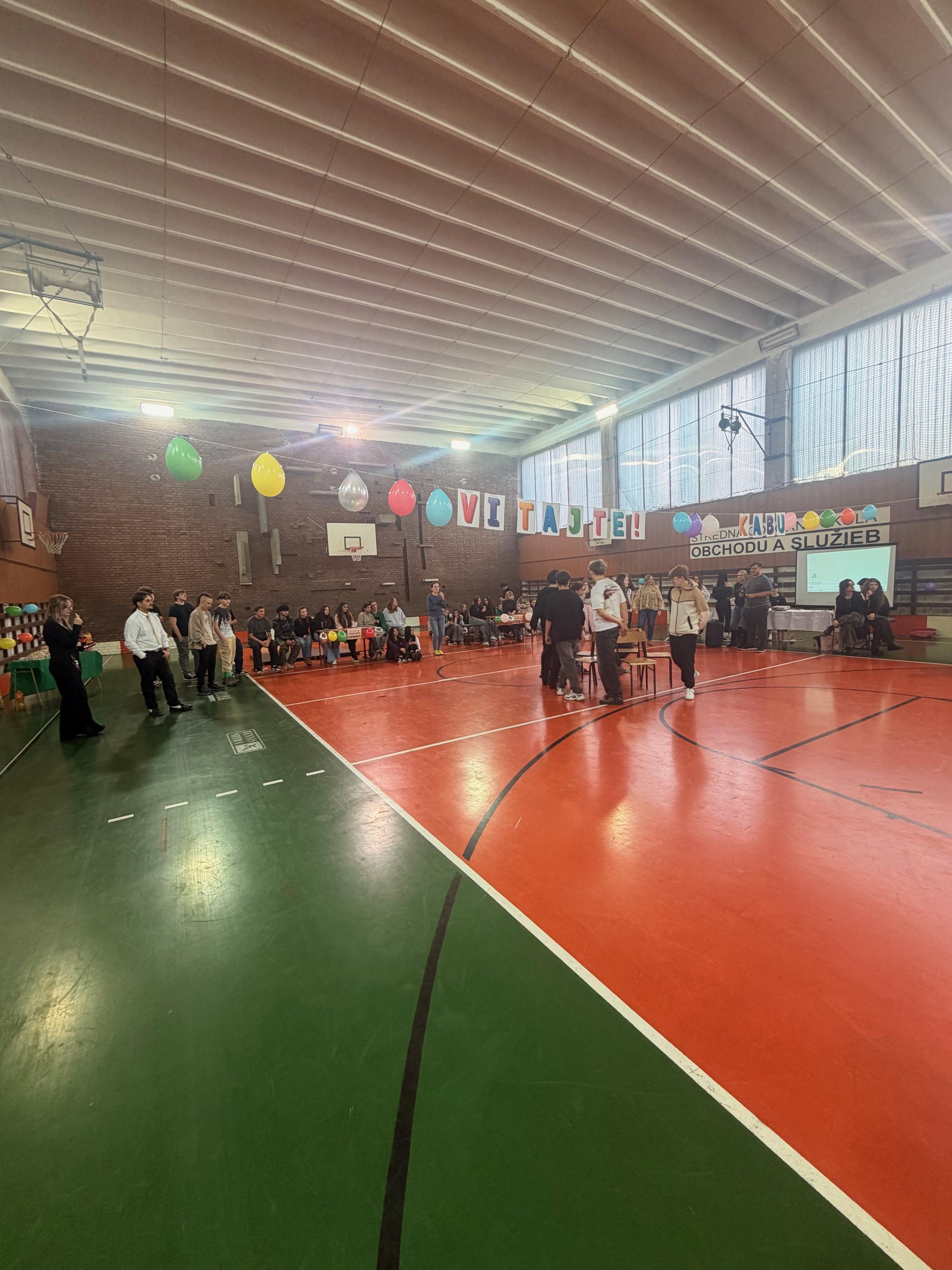
Though stužkova’s are not directly related to the environment like some traditions, they have a cool history. 100 years ago, just after World War 1, Central European countries like Slovakia changed their education systems. Students now had a choice between grammar schools (gymnáziums) which prepared students for university, and vocational schools like the one I teach at, which prepared students for jobs like chefs, hairdressers and architects. This is very different from the U.S., where we all go to the same type of high school. In nearby Hungary, a small ceremony was created to wish students luck on their maturita, a tradition which quickly spread to other countries like Slovakia. Since European countries are small, traditions and events from one country often spread to other countries nearby. Experiencing cultures blending together is one of my favorite things about living in Europe.