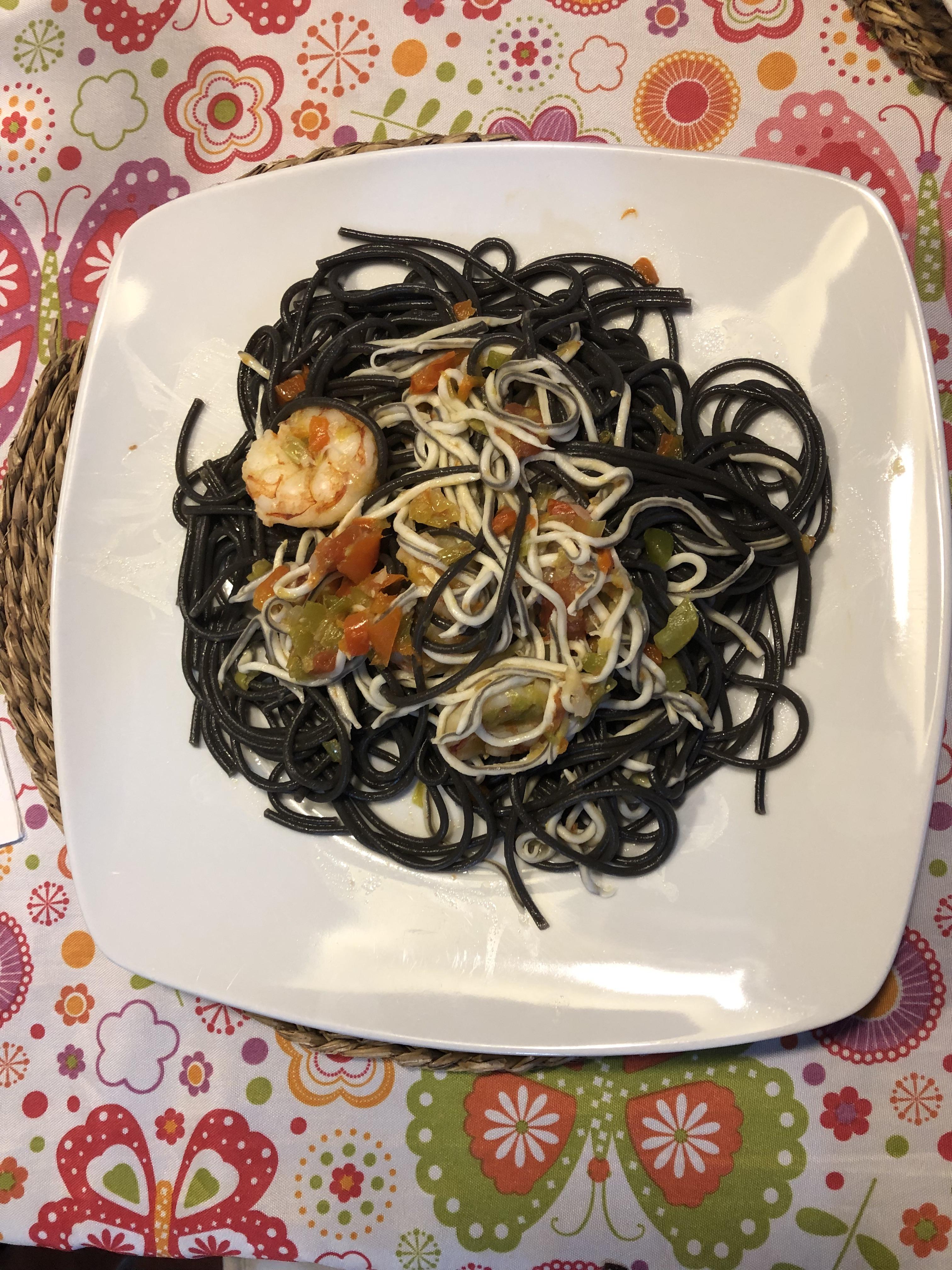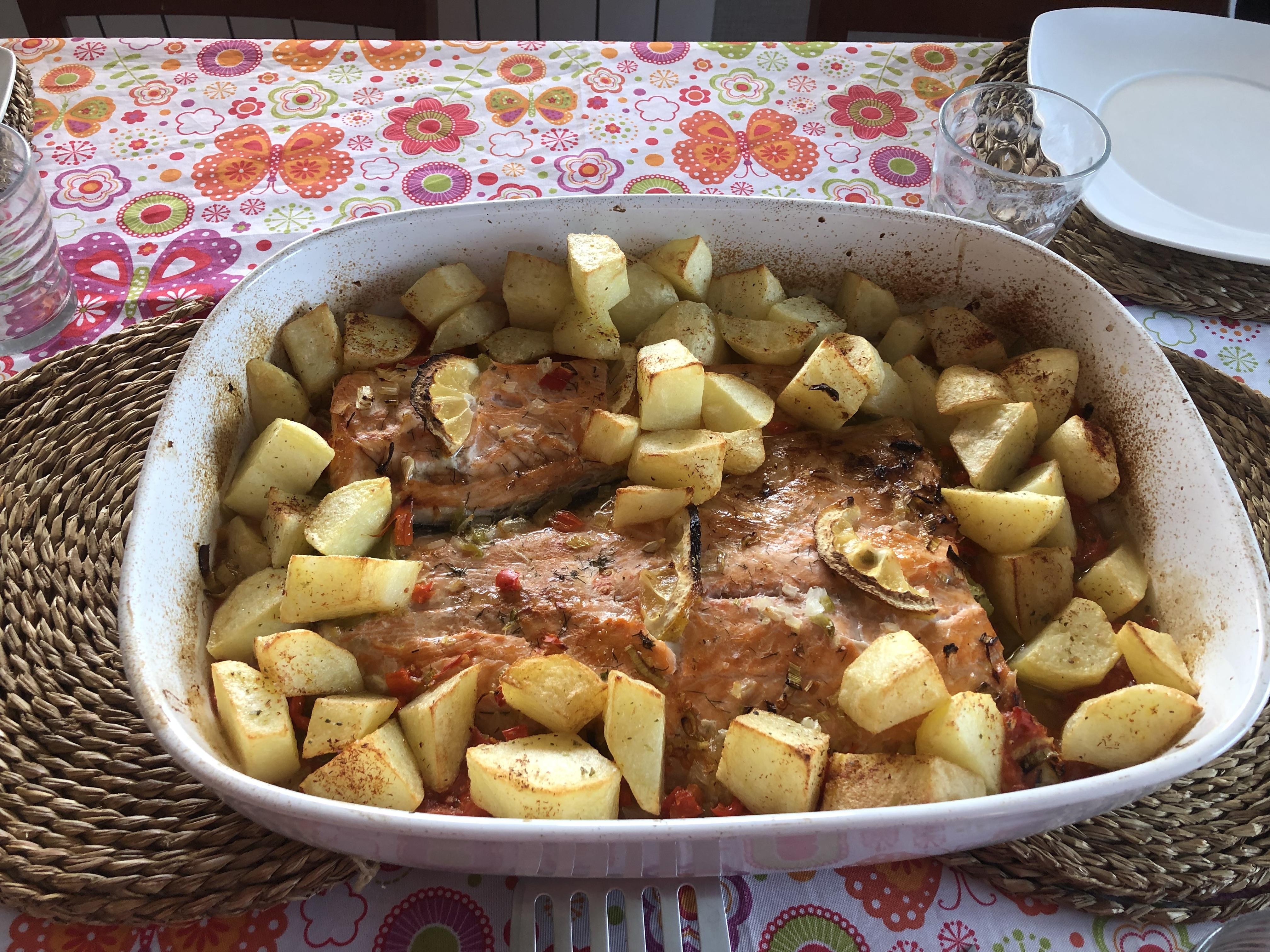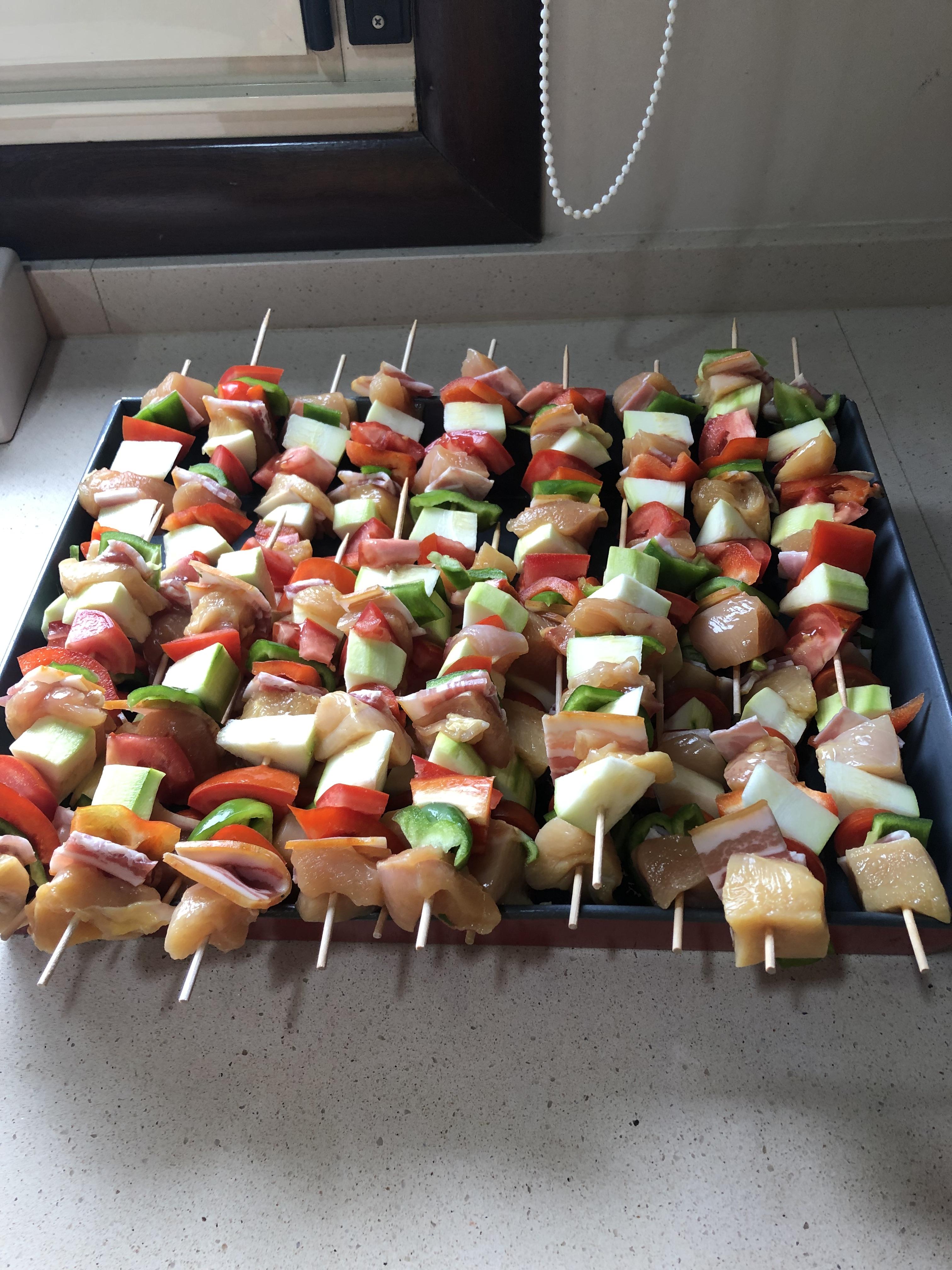
La comida española es rica y deliciosa! I love trying new foods, particularly when Spanish friends offer to cook traditonal meals and invite me into their homes. When I was 15 years old and participated in a Rotary Youth Exchange in Vigo, Spain, I lived with a familia anfitriona (host family) and ate amazing comida gallega (Galician food), including the most mouthwatering seafood I've ever eaten and a wonderful variety of frutas frescas, such as albaricoques (apricots), which I enjoyed at la playa (the beach) with my hermana anfitriona, Cris.
At first I was nervous to try seafood, but living so close to the Atlantic Ocean encouraged me to eat new dishes, including pulpo (octopus), vieras (scallops), and gambas (shrimp). At 15 years old, I was quickly transformed into a seafood lover and felt eager to eat my fill of mariscos while living in Vigo. Though as a vegetarian, I no longer eat mariscos, I hold fond memories of summertime meals in Vigo, as I savored bites of breaded fish and rich seafood stews.
Spaniards eat most of their meals at home, typically around the dining room table with their family. Aciete de oliva (olive oil) is the most common cooking oil in Spain and is even using when frying pancakes.
One major difference between American and Spanish food customs is grocery shopping. Spaniards almost always live near a supermercado (grocery store) and buy smaller quantities of food at a time. I go to the supermercado 3-4 times weekly in Vigo.