Many people living in Jeju were protesting against the government, which had violently suppressed not only the people on Jeju Island, but everyone across the Korean peninsula who had shown any form of dissatisfaction with the government through protest. The Jeju Uprising was suppressed violently, killing an estimated 10% of the population of Jeju Island, between 14,000 and 30,000 people according to the lower estimates. President Rhee was later impeached for his atrocities in multiple similar incidents and was exiled from South Korea in 1960. To remember this incident, the people of Jeju Island created a sort of memorial day for the event, which is only celebrated on Jeju Island. I have been told that to this day, the families of the victims of the massacre are paid yearly reparations by the South Korean government.
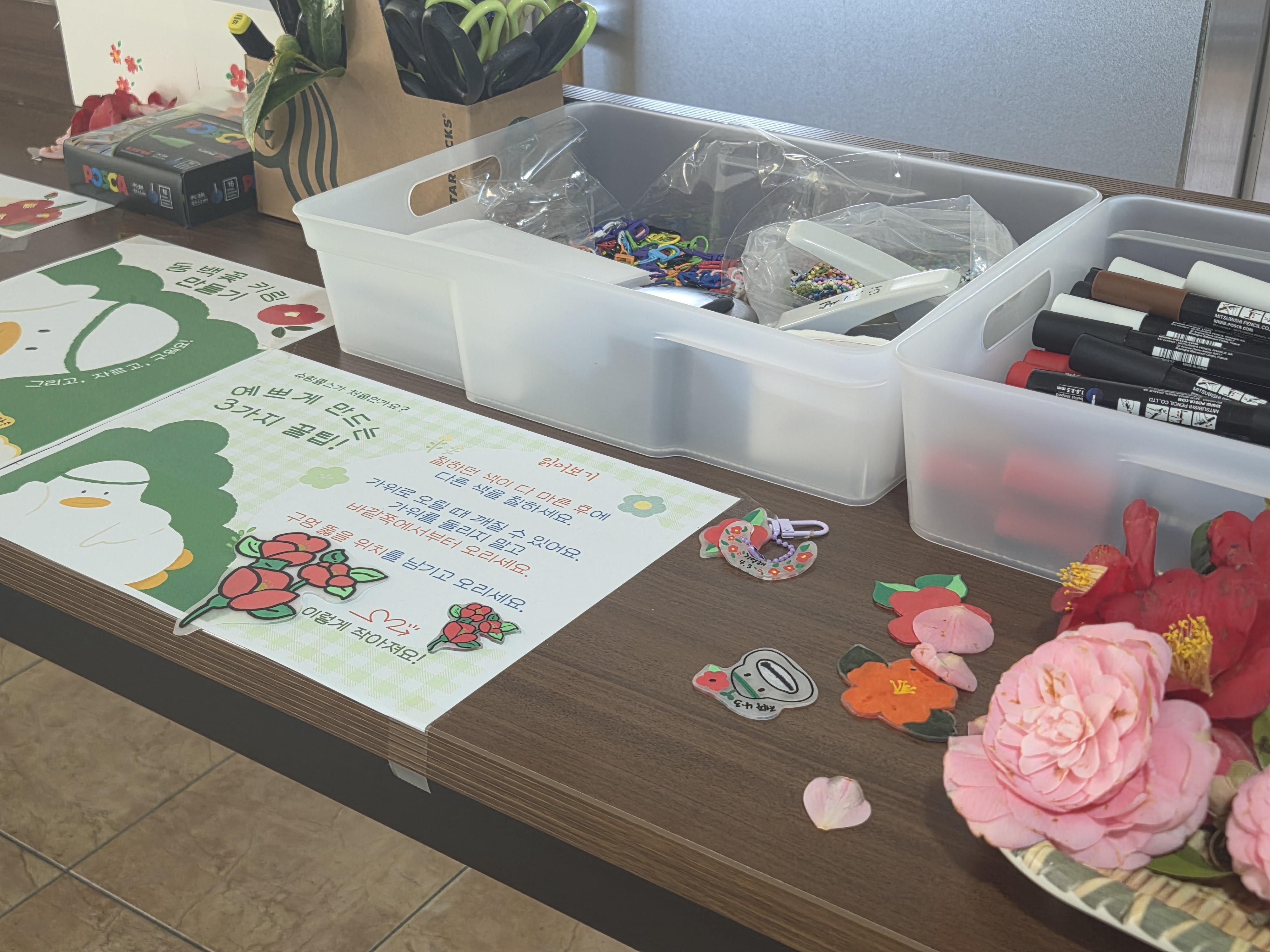
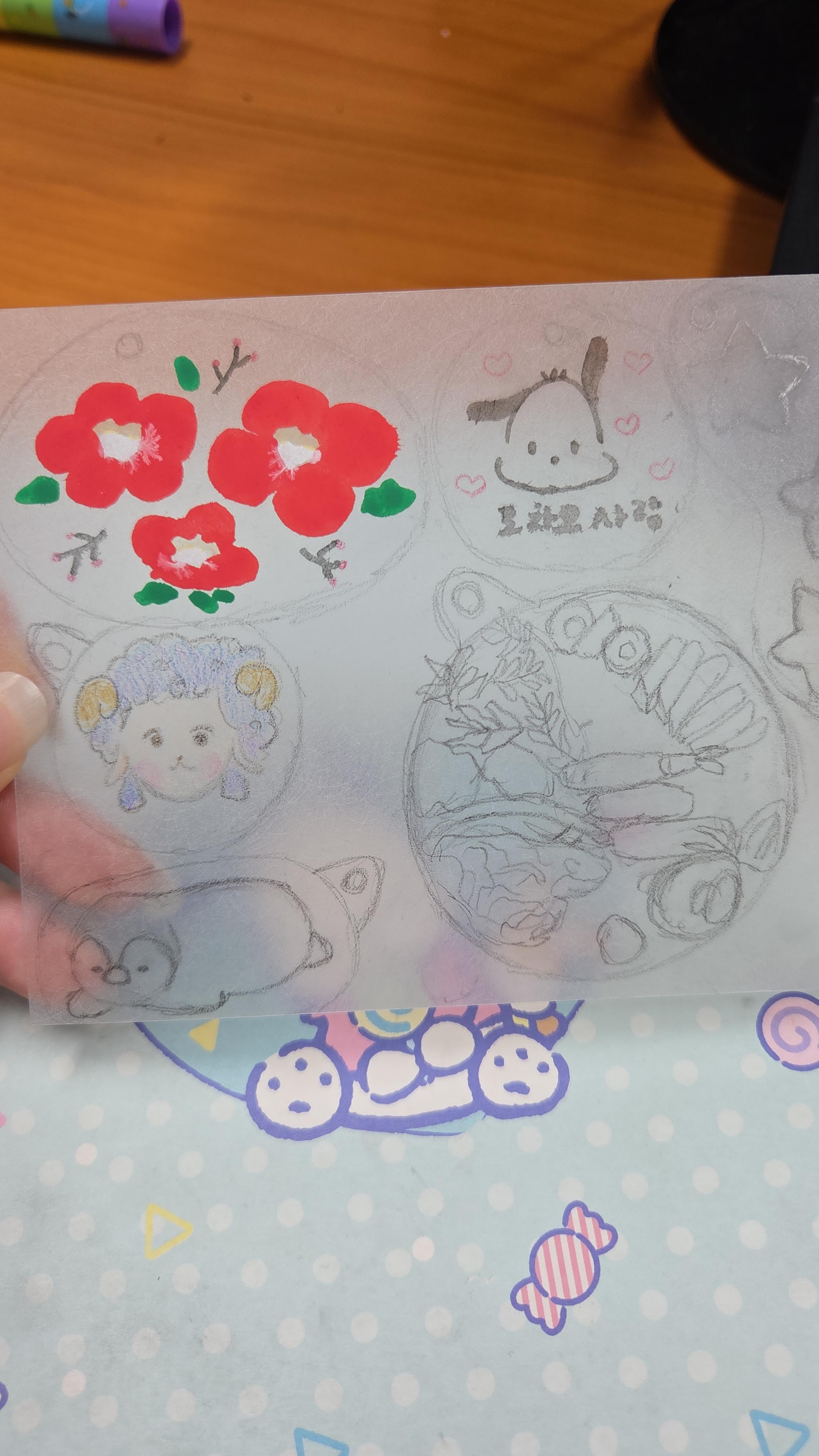
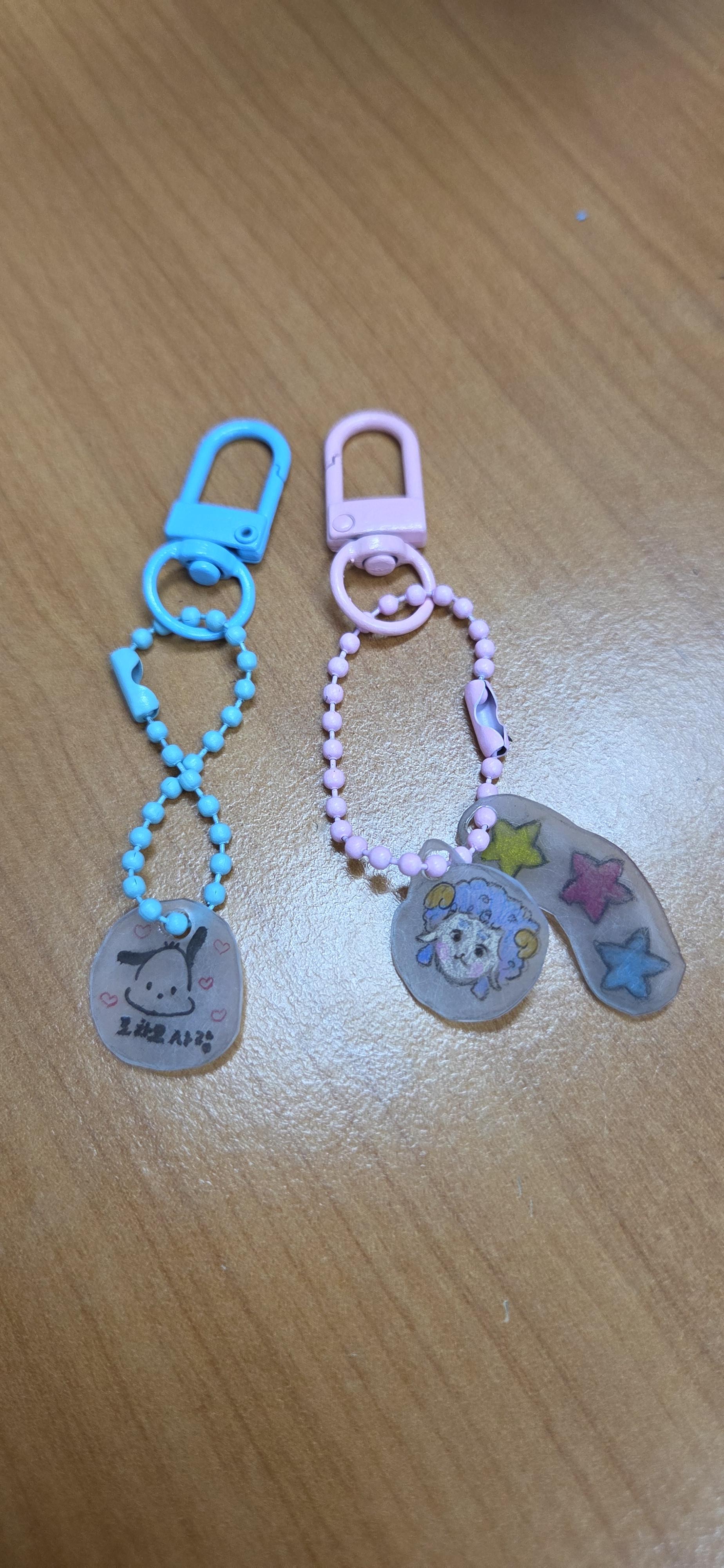
Since this is a Jeju-only holiday, the teachers at my school and the people in my community wanted to make sure that everyone was aware of its historical significance. On Sa-sam, we did a moment of silence in the morning and held a crafting event during lunch. Camellia flowers, which grow nearly year-round on the island, are particularly significant to the holiday, so the students all drew camellias and turned them into Shrinky-Dink keychains. I made one, as well, and gifted it to a Korean language teacher at my school.
Over the following weekend, some students also went on a school-led trip to the Sa-sam museum to learn more about the history of the event. Within the community, to remember Sa-sam, there were many signs across town and all buses were free that day.