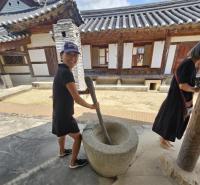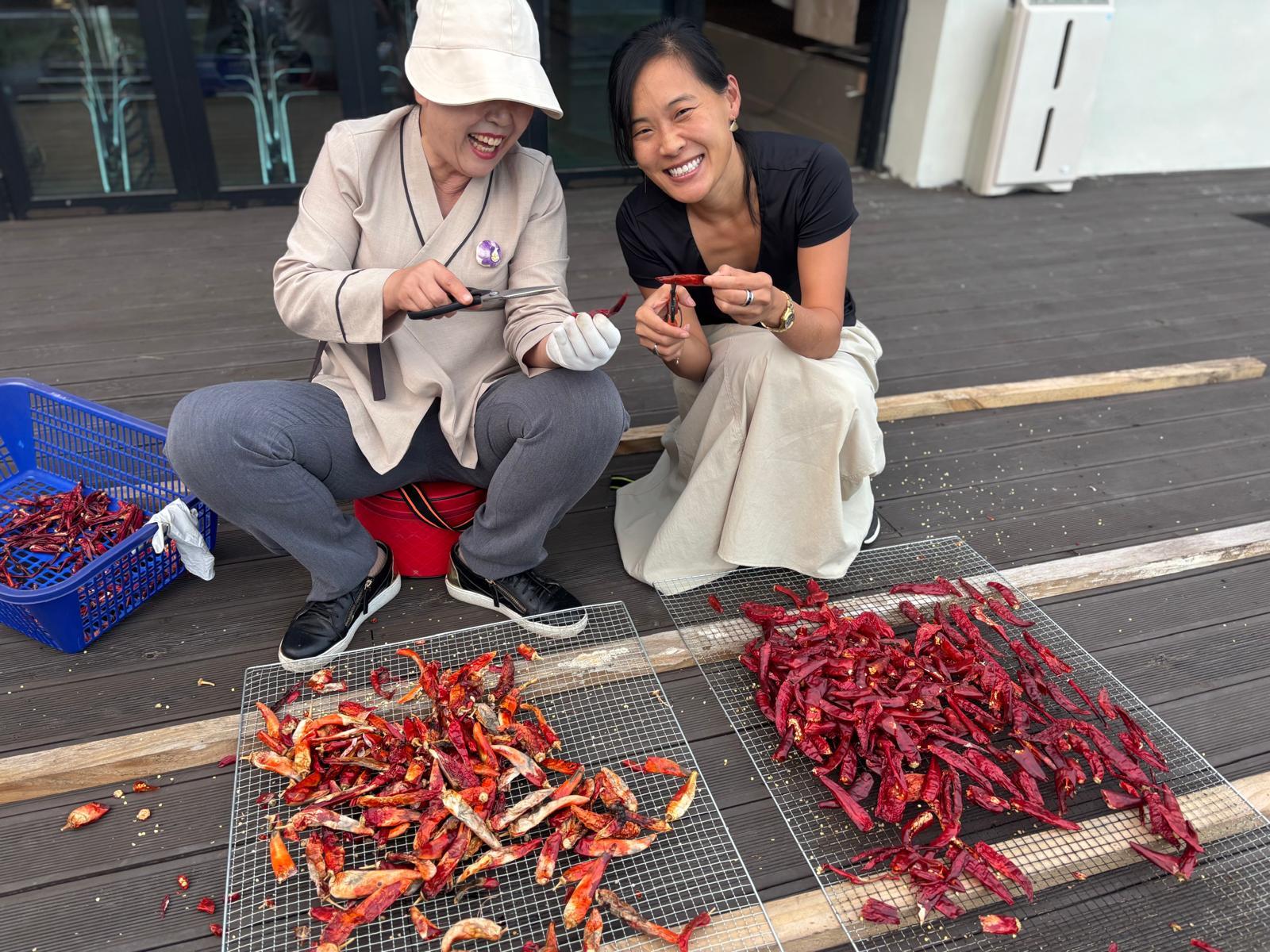
This led to the development of banchan--dishes that are fermented, pickled, dried or braised. Rather than creating an illusion of abundance, banchan emerged as practical ways to stretch ingredients, preserve food, and bring balance and variety to rice-centered meals. Over time, they became an everyday expression of care and shared life at the table.
I’ve also noticed that the way people eat reflects this close relationship to food and place. Meals often feel active and intentional: wrapping meat in perilla leaves, carefully separating bones from fish with chopsticks or drinking warm rice water from a small bowl. Conversation is usually light during meals, with deeper discussions saved for afterward. Based on my time in places like Cheorwon, this feels both meditative and practical--an opportunity to focus on nourishment, gratitude and the jeong embedded in each bite.
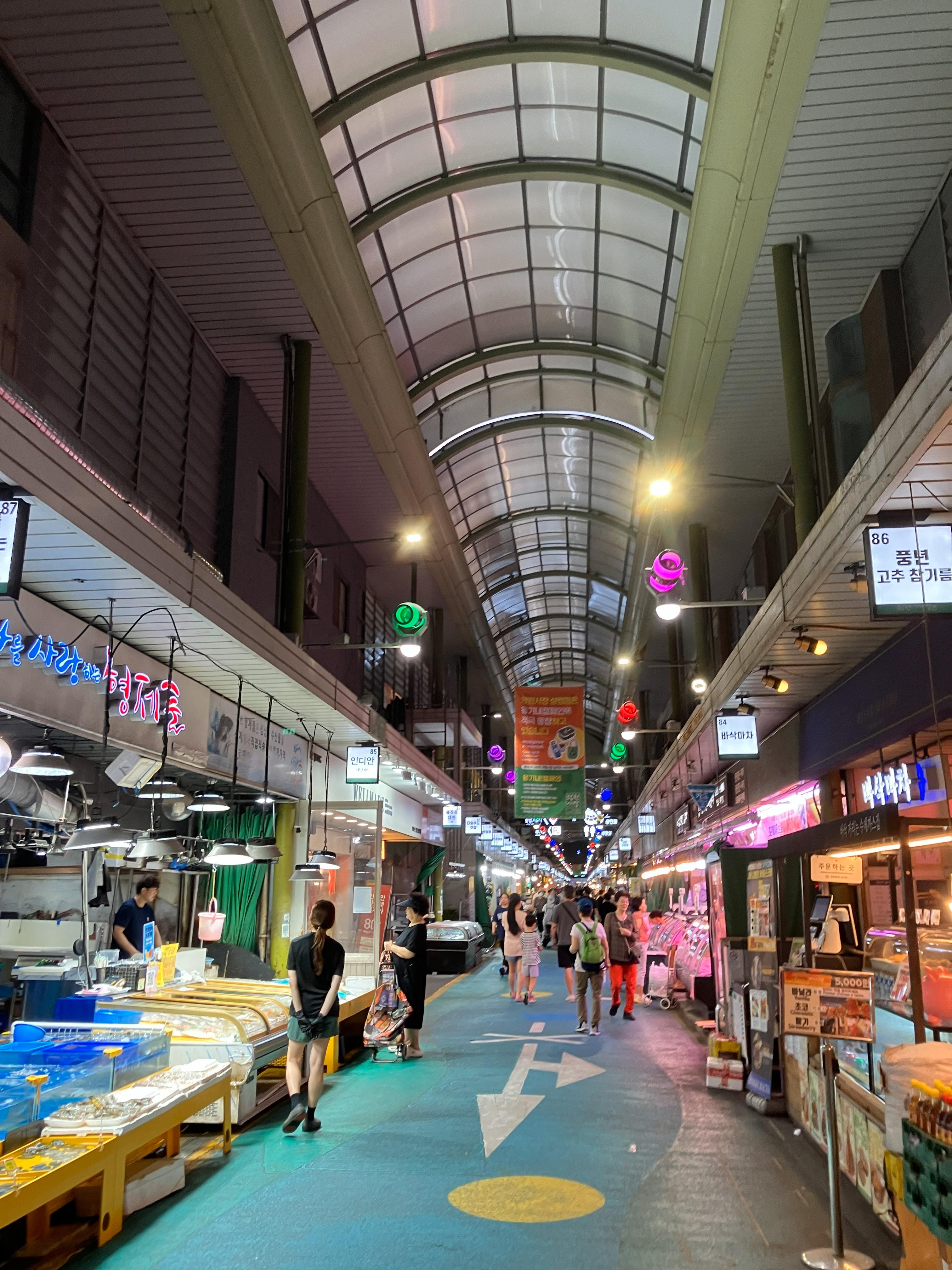
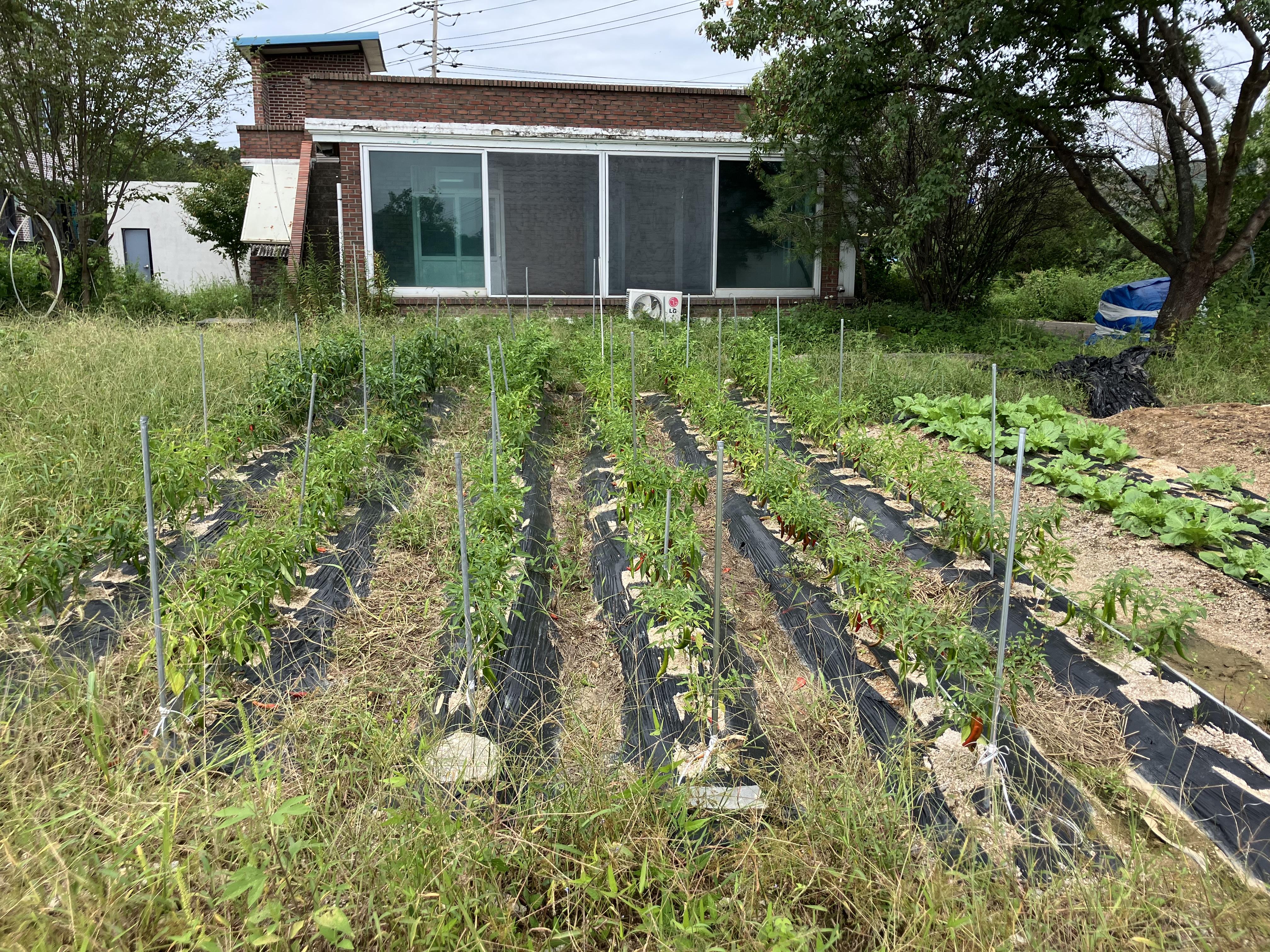
Finally, food culture in South Korea varies by region. Rural areas tend to serve more traditional, place-based dishes, while major cities offer a mix of classic meals, fusion food and Western-influenced options. Together, these differences reflect how closely Korean food remains tied to landscape, climate and everyday life.