My Fulbright project is titled “Picturing Peace: Jeong for the DMZ.” At its core, it is an effort to build a visual history of the Demilitarized Zone — with particular focus on the southern side — tracing how the DMZ came to exist, what lives there now and what possibilities it may hold for the future. As a designer, I have learned that proposing change is most meaningful when it grows from deep understanding. Before imagining what should be built, I wanted to carefully observe what is already there: the land, the stories and the everyday realities that shape it.
Before coming to Korea I had only a textbook understanding of the word jeong (정). I had been told it meant something like “love,” but not exactly the same. I imagined it as empathy or care — a way to show that even a place as politically complex as the DMZ holds ordinary human stories beyond headlines and movie scenes. But once I arrived, I realized I did not yet understand the word in the way people here lived it.
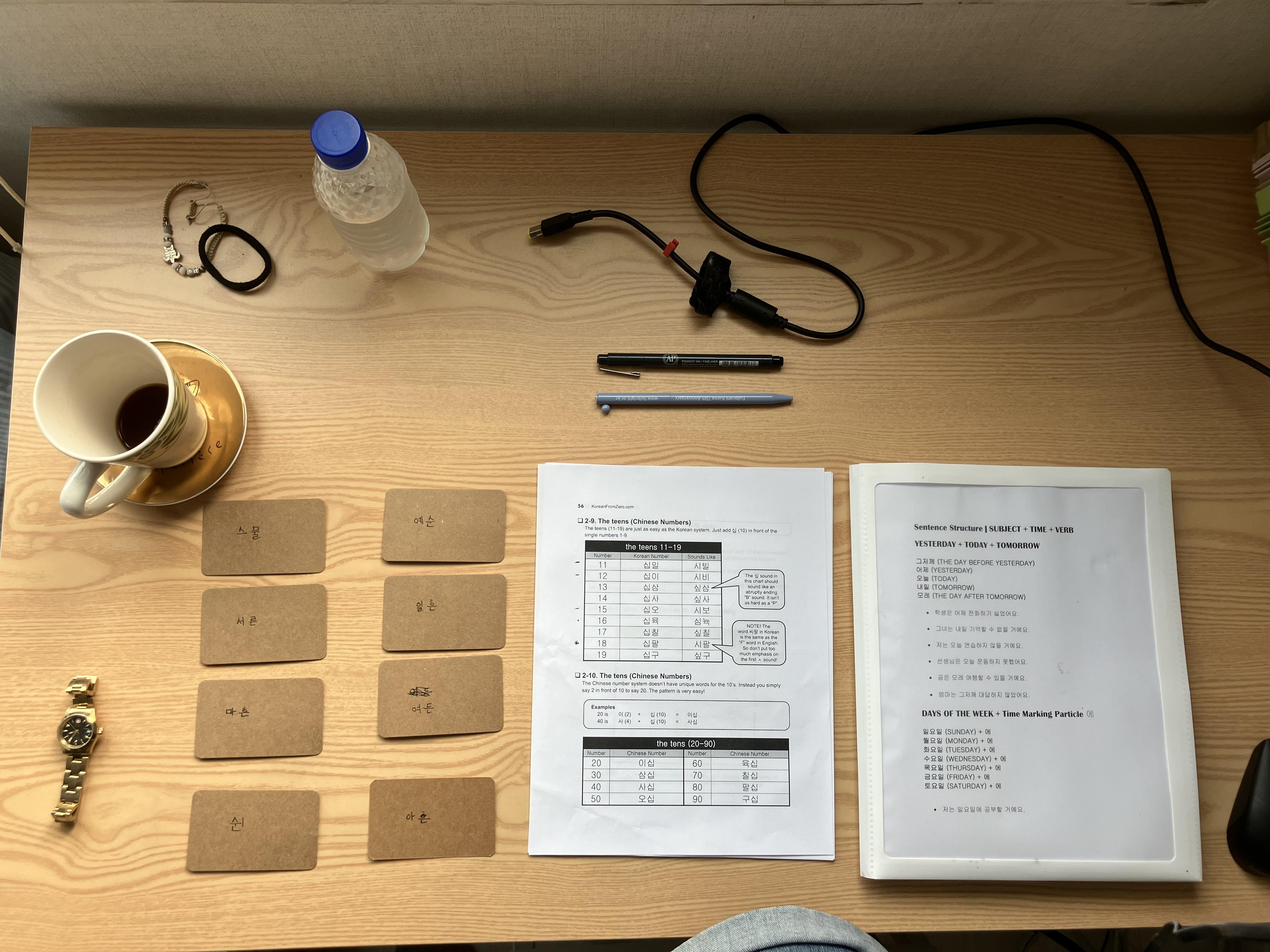
As I began learning Korean, my phone and mind filled with new vocabulary from friends’ messages, news articles and street signs.