While traveling to meet one of my host institutions located there — Border Peace School — I listened more carefully; watched how others moved through spaces; and asked for help more often. I relied more on observation and the kindness of strangers — jeong in action. The difference between Seoul and Cheorwon did not just change my route; it changed my pace. I realized that before I could study a landscape connected to separation and history, I first needed to learn how people connect in everyday life. It turned out that understanding required patience, not speed.
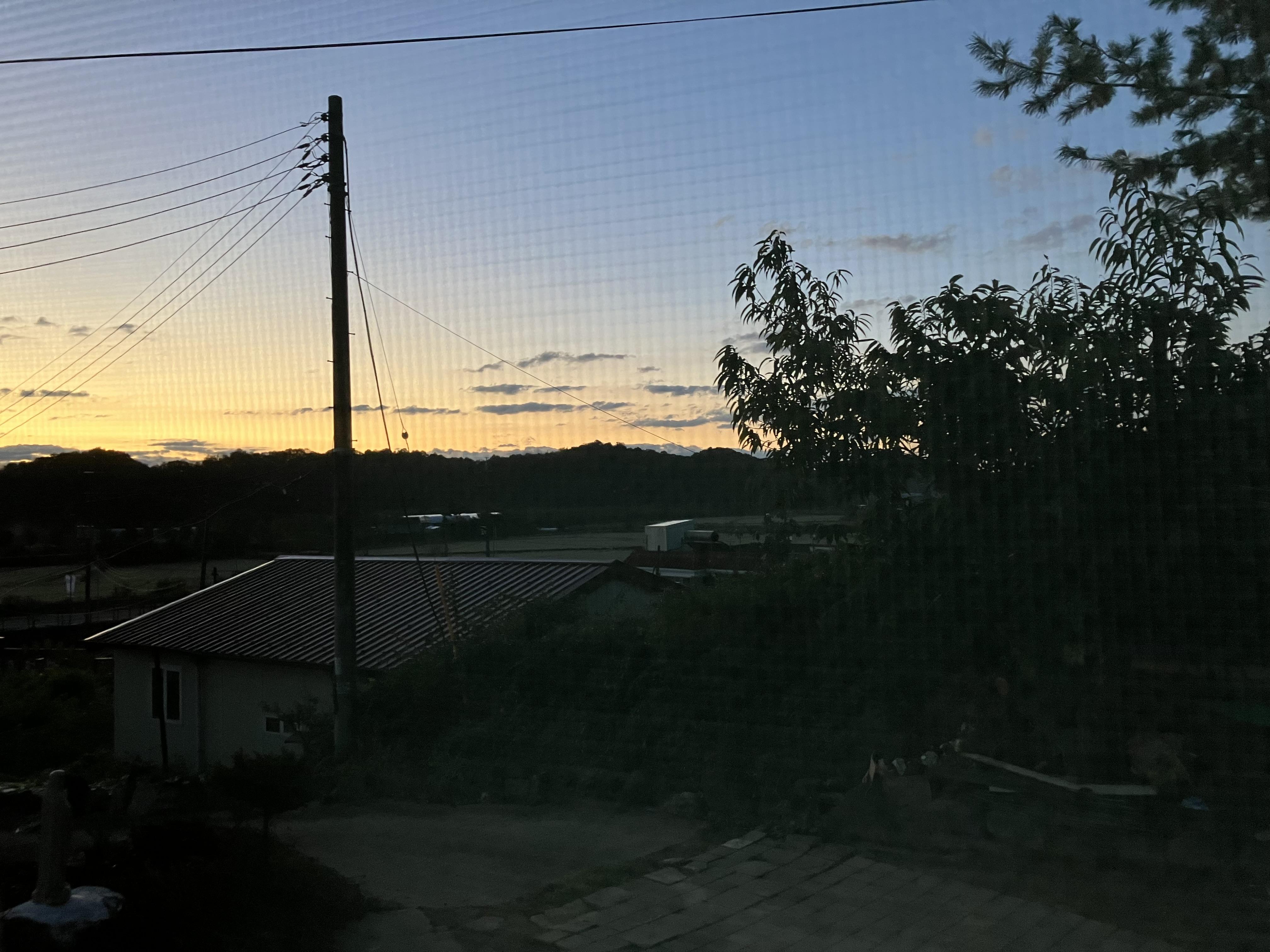
Over time, the people who passed through the school became just as meaningful as the land itself — farmers, local staff and visiting lecturers from other countries who shared different perspectives on peace and responsibility. In Seoul, everyday interactions often helped me find my way. In Cheorwon, that sense of guidance came instead from farmers and the steady presence of the school — different settings, the same quiet feeling of being cared for.
Mornings there often began with a shared period of quiet reflection on peace before the day’s activities started. That daily pause reminded me that peace was practiced, not just discussed. I found this deeply grounding and still carry the habit with me even when I am not there as frequently during this portion of the grant.
Another distinctive aspect of the school is that almost all of the food eaten there is grown on the adjacent farm. Fruits and vegetables are harvested on site — and we joke that someday there may even be livestock too.