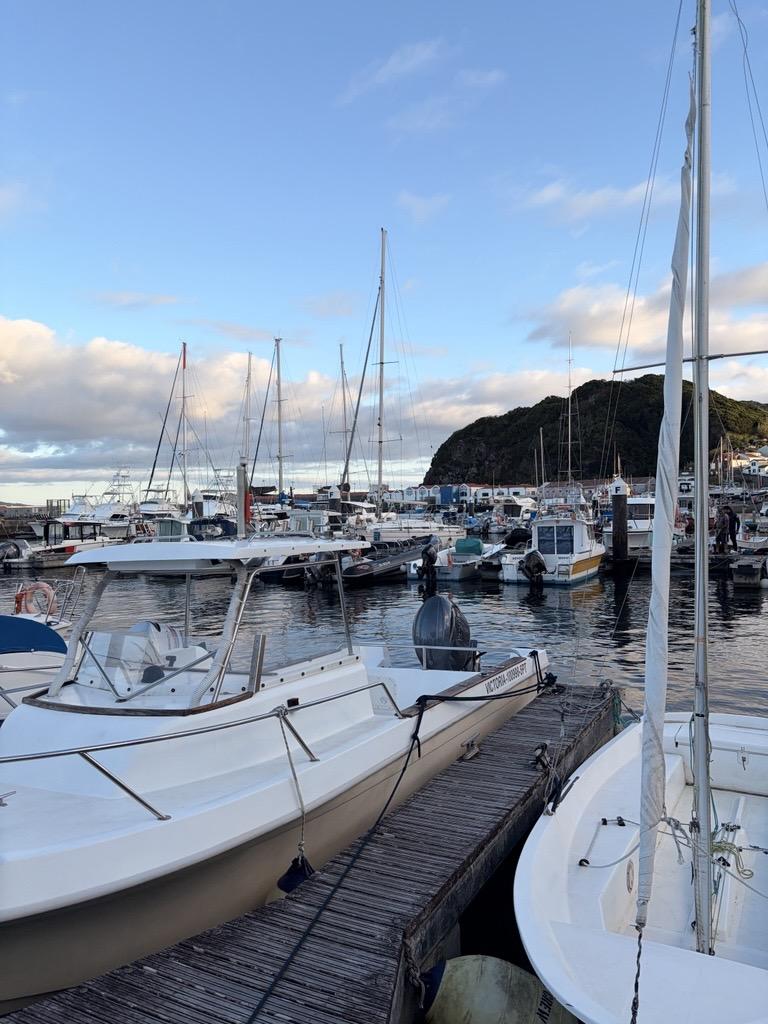
Down there, the ocean is very dark. Sperm whales make clicking sounds and listen for the echoes to help them find food like squid. But when they come back to the surface to breathe, they share the water with boats. Sometimes a boat might not see a whale in time to avoid it. That can be scary for the whale.
I want to help keep whales safe while people still use boats to travel and work. One question I ask is: Can we predict where a whale might be before it comes to the surface? To answer that, we need to know where whales swim, even when they are deep underwater. But how can we follow an animal underwater?
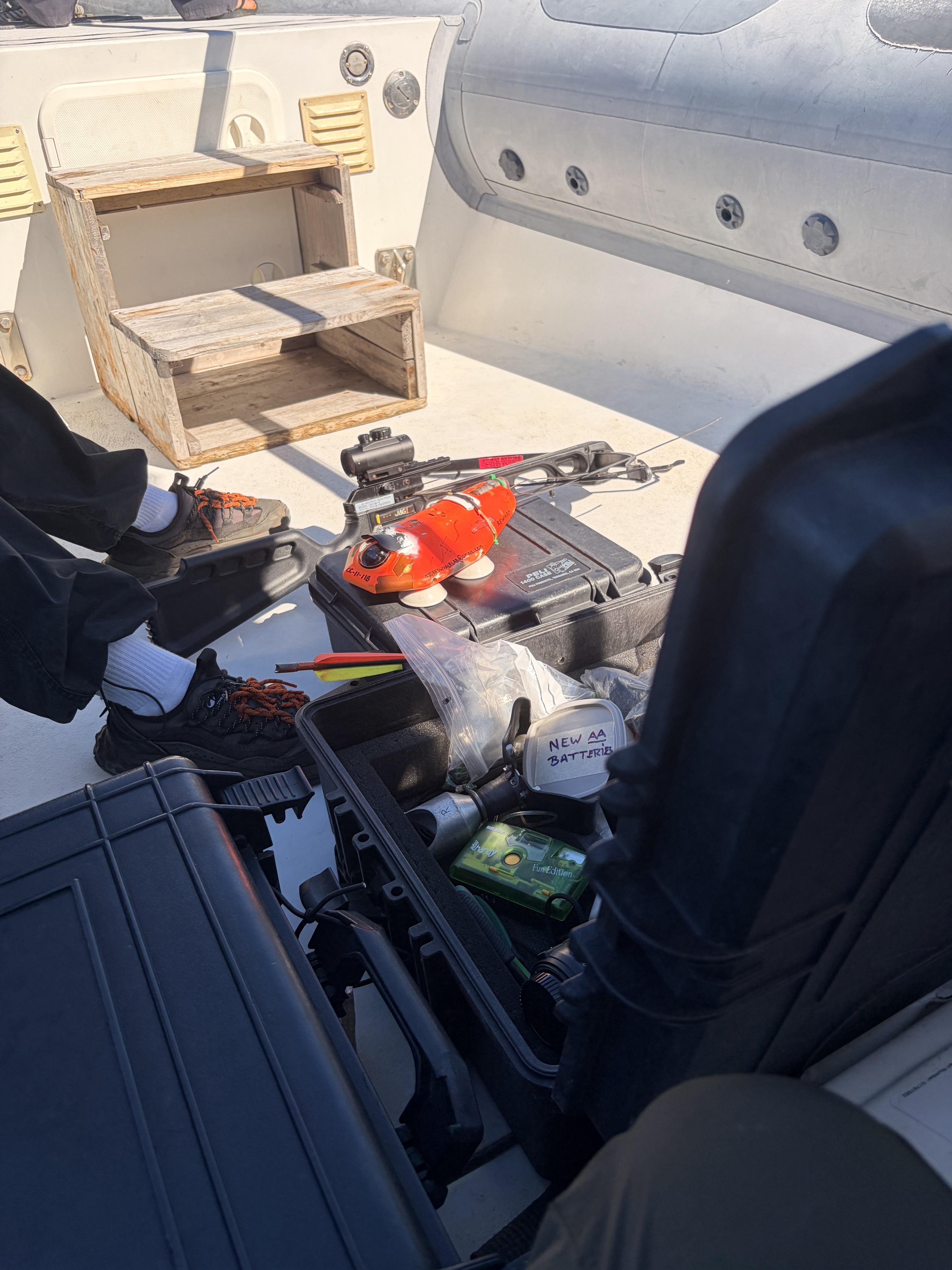
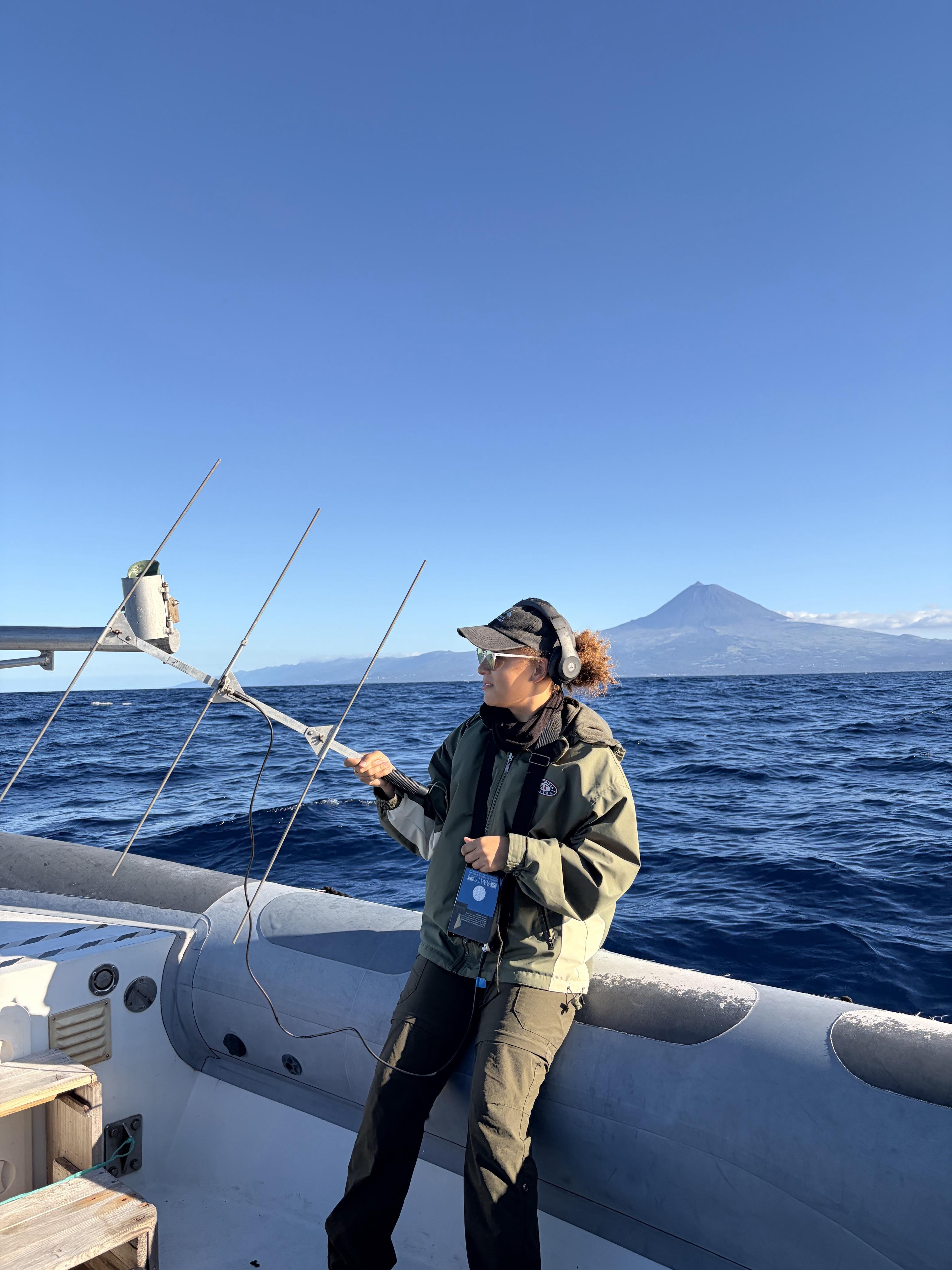
To track the whales, engineers have built tags to collect information about a whale's movements. At the surface, a tag can use GPS to help record a whale's location, a little like the map on a phone. Underwater, GPS does not work the same way. Instead, the tag measures things like how deep the whale goes, which way it turns and if it swims faster or slower. I use computers and math to put those measurements together to show the path the whale took.
After that, I look for patterns. Does the whale move differently when the water is colder? Does it travel near ocean currents? Are there clues that food might be nearby? Think about how weather changes what you do. On a rainy day, you might play inside. On a sunny day, you might go to the playground. Whales may also make different choices depending on what is happening around them.
If we learn when and where whales are likely to come up for air, we may be able to help boats stay out of their way or watch extra carefully. That is why I study whales: I love discovering how they live, and I want to help protect them.