Hungarian folktales often have similar themes that other famous folktales have, including orphans or children lost in the woods, helpful and harmful witches, long, drawn out, quests, and trickster devils. However, in one of the films I watch, there is a devil character (Ördög) who tries to mess with a very contrary woman. When told to clean, she would make things dirty; when told to bring food, she would only bring water. The devil tries to trick her, but instead she jumps on him and won’t get off. The devil then makes a deal with a young man to help. I find it interesting because it is rare to hear a creature/monster ask for help from a human. Of course the devil later tricks the young man, which is very common for the archetype. I am still watching these folktales and am curious how it will depict other creatures.
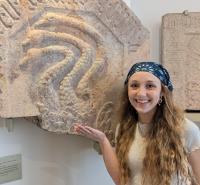
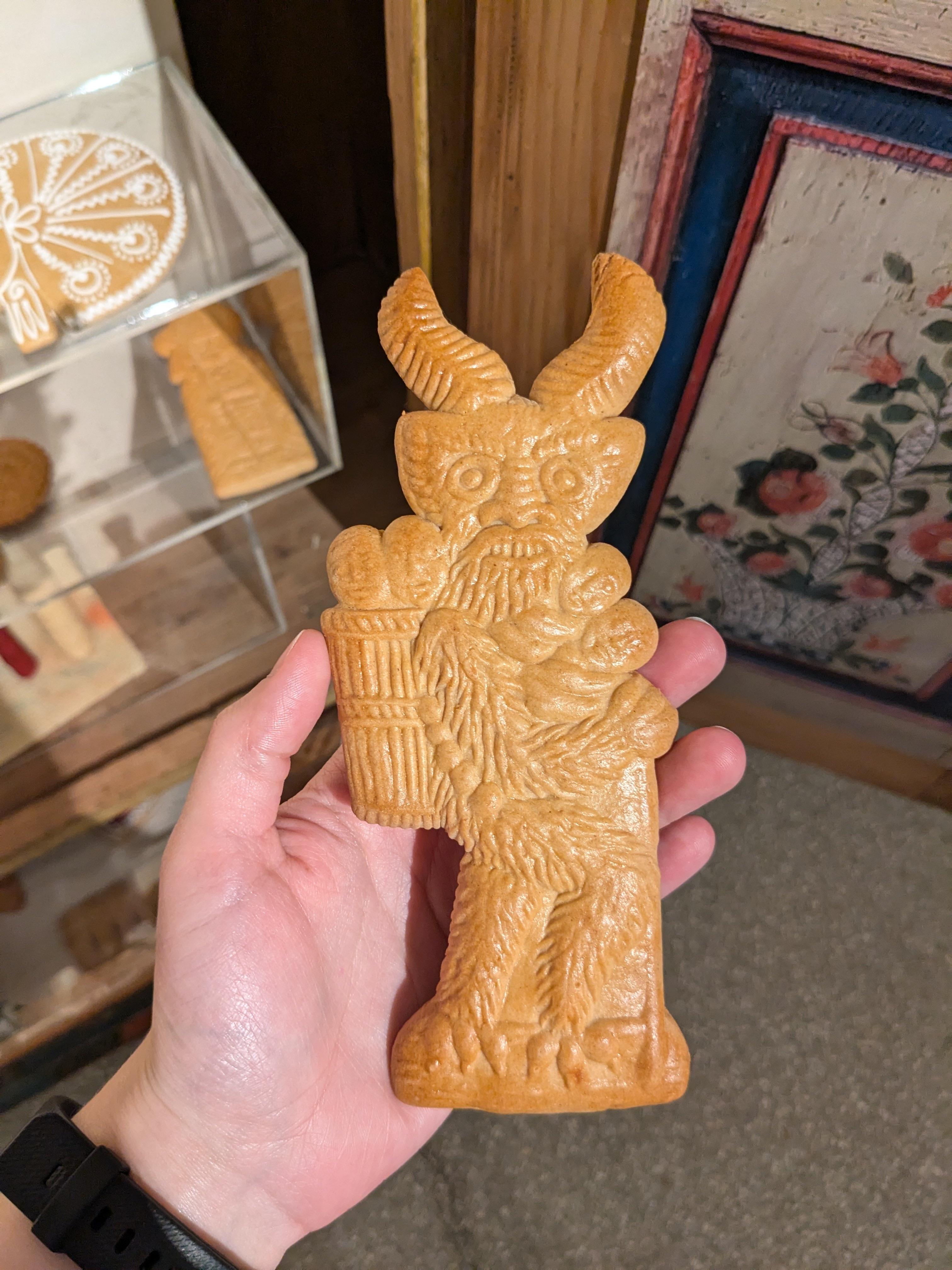
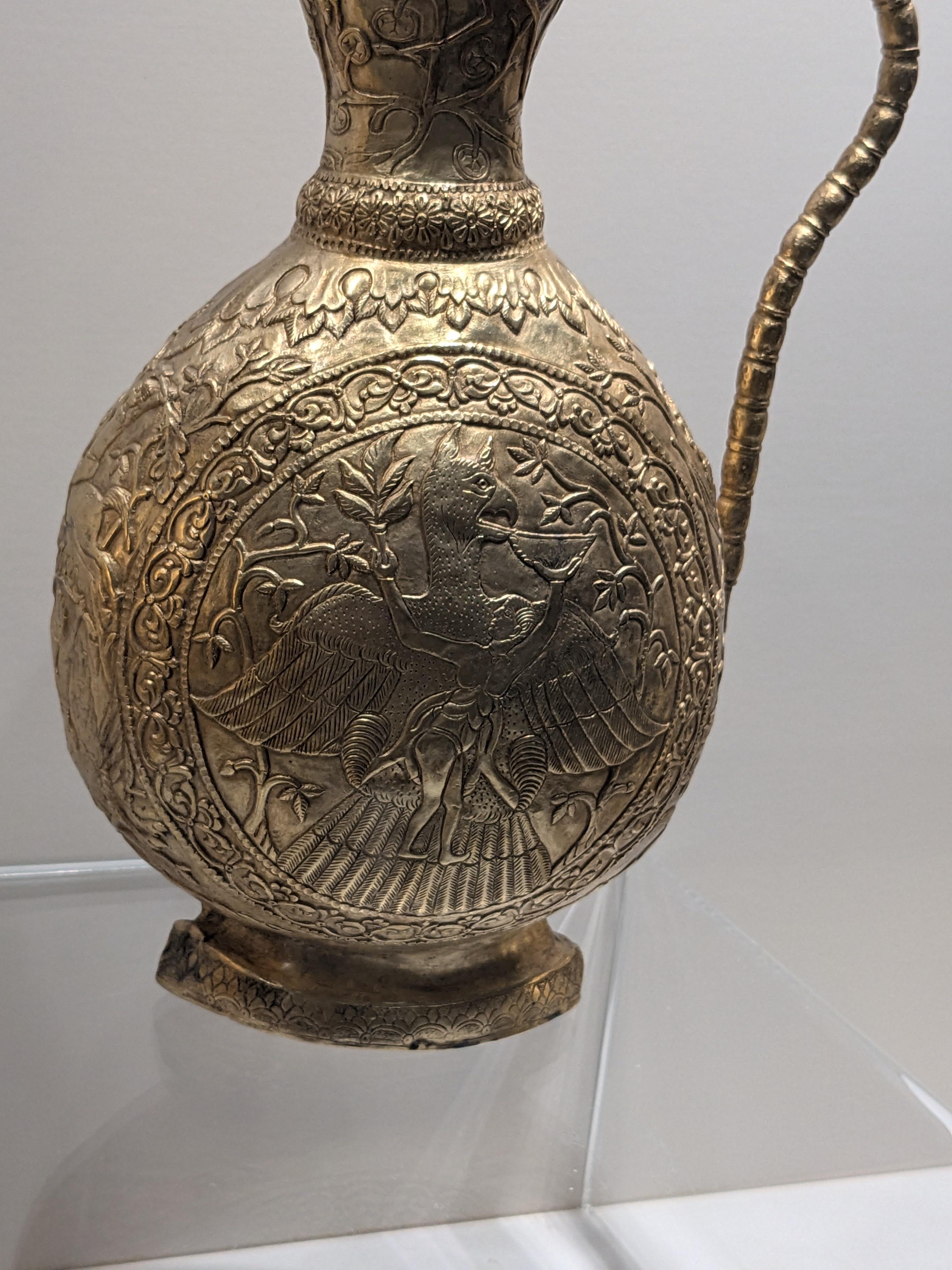
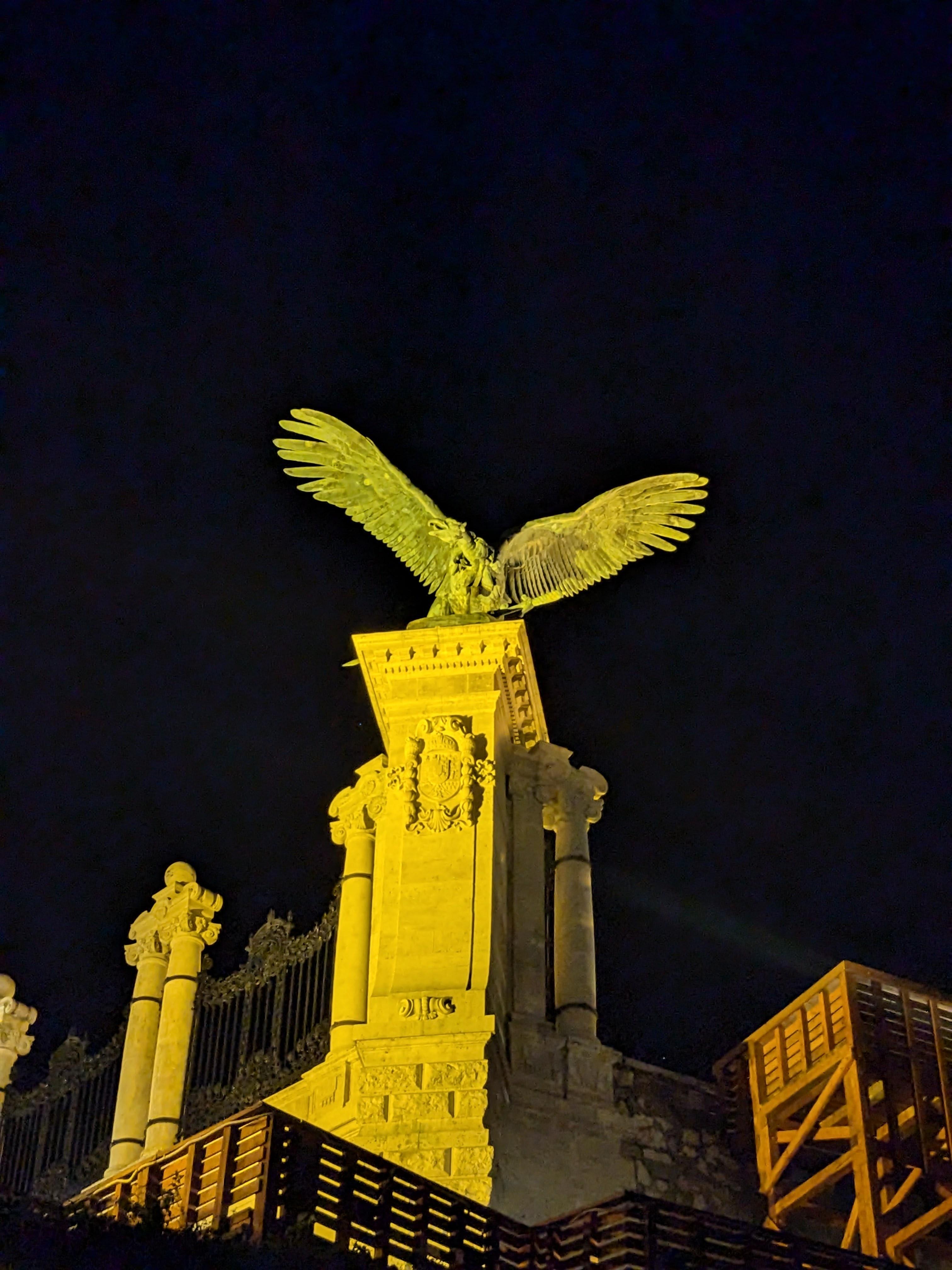
Finally, I like to hunt for monsters in the wild, meaning I document visual depictions of monsters that I see in museums, art galleries, and even out on the streets. This to me has been the most fun and creative part of researching monsters. In museums and art galleries, I will take pictures of every creature I see and then record who the artist was and when the piece was made. I later upload that information into an Obsidian document which can link together all the common threads. I love paying attention to architecture while out on my daily commutes and photographing statues and gargoyles(and even local businesses’ logos) that use monsters. Budapest is one of the most detailed cities with decorative faces and designs on almost every building in the city center.
One of the main creatures I find depictions of is the Turul bird, which is a giant bird of prey from Hungarian folktales.