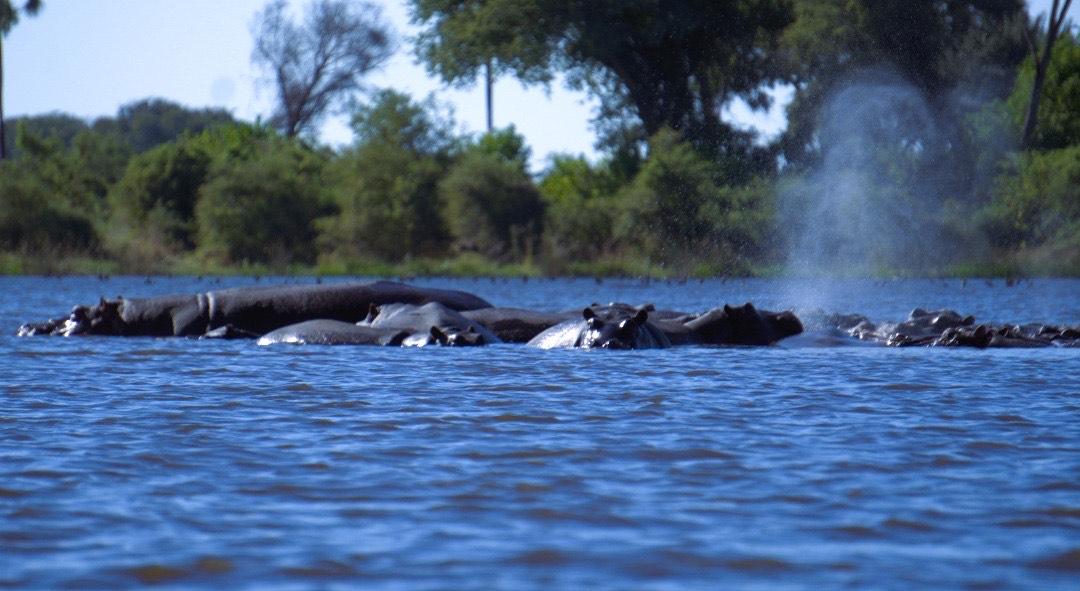
The water moved slowly beneath me, and I could hear birds and see plants all around. At first, I felt a little wobbly, but soon I felt safe and relaxed, like I was floating through nature. The next time, I went on a mokoro safari with my friends. We were taken through the water by guides, known as polers, who explained the world around us, and we even passed by a herd of sleeping hippos! It was scary to pass them so close with no protection between us, but I knew we were in good hands with the polers who know the waterways like the back of their hands.
This way of getting around is connected to both culture and the environment. The mokoro was created to fit the watery land of the Delta, where roads are hard to build. For many years, people have used mokoros to fish, visit neighbors, collect reeds for building and travel through the wetlands. New shallow paths are formed by animals, such as elephants and hippos, marching through thick reeds, creating narrow openings when the rains come and flood the Delta.
Today, mokoros are still important for local life and for sharing Botswana’s culture with visitors.