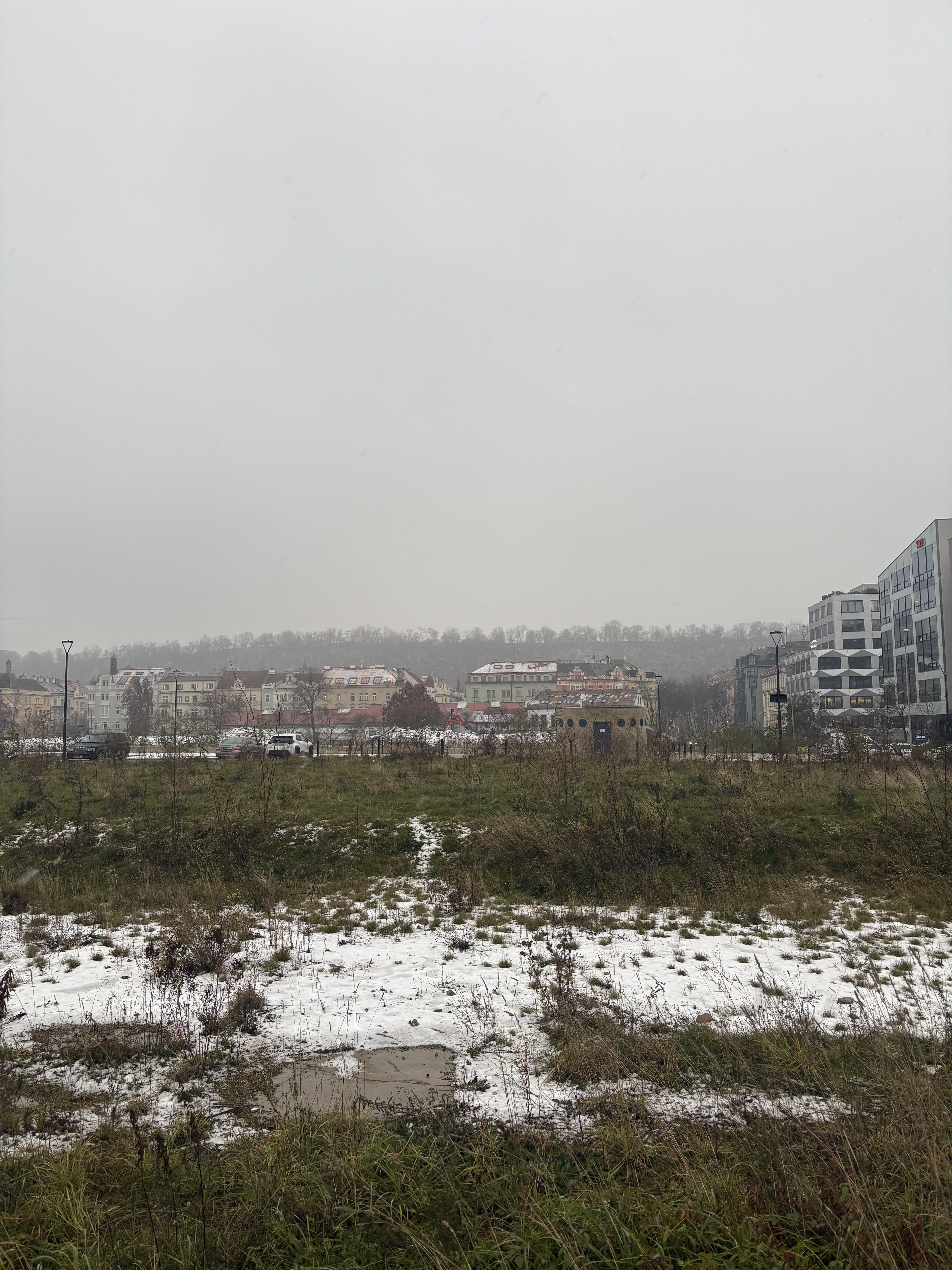
They are native to South America, specifically Brazil, Chile, Paraguay, Uruguay, and Bolivia. They were introduced to Europe by fur ranchers in the 19th century, and were kept for their fur pelts and meat. Since then, due to escape, their population has exploded. In Prague, they have found a home along the Vltava River, digging burrows in the banks. Large populations of nutria can be found living on the city-center islands in the Vlatva (one island has even been nicknamed by locals as "Nutria beach").
In the Czech Republic, the relatively mild climate, extensive river system are very favorable to Nutria. They typically settle. Additionally, the popularity among tourists and children has attracted the nutria to the city, where they are often fed. This has led them to become unafraid of human interaction. For the Prague health ministry, this is quite a problem, as nutria are rodents and are known to carry and transmit diseases to humans and pets. While not common, nutrias have quite strong teeth and can injure people with their bite if provoked.
The nutria have been labeled as an "Invasive Alien Species of Concern" due to their carrying diseases and disruption of the environment. These rodents breed quickly and consume massive amounts of aquatic vegetation (25% of their body weight daily!), including cattails, reeds, grass, tubers, and roots. Experts urge the public not to feed or interact with the creatures since they carry parasites and diseases that can jump to humans.