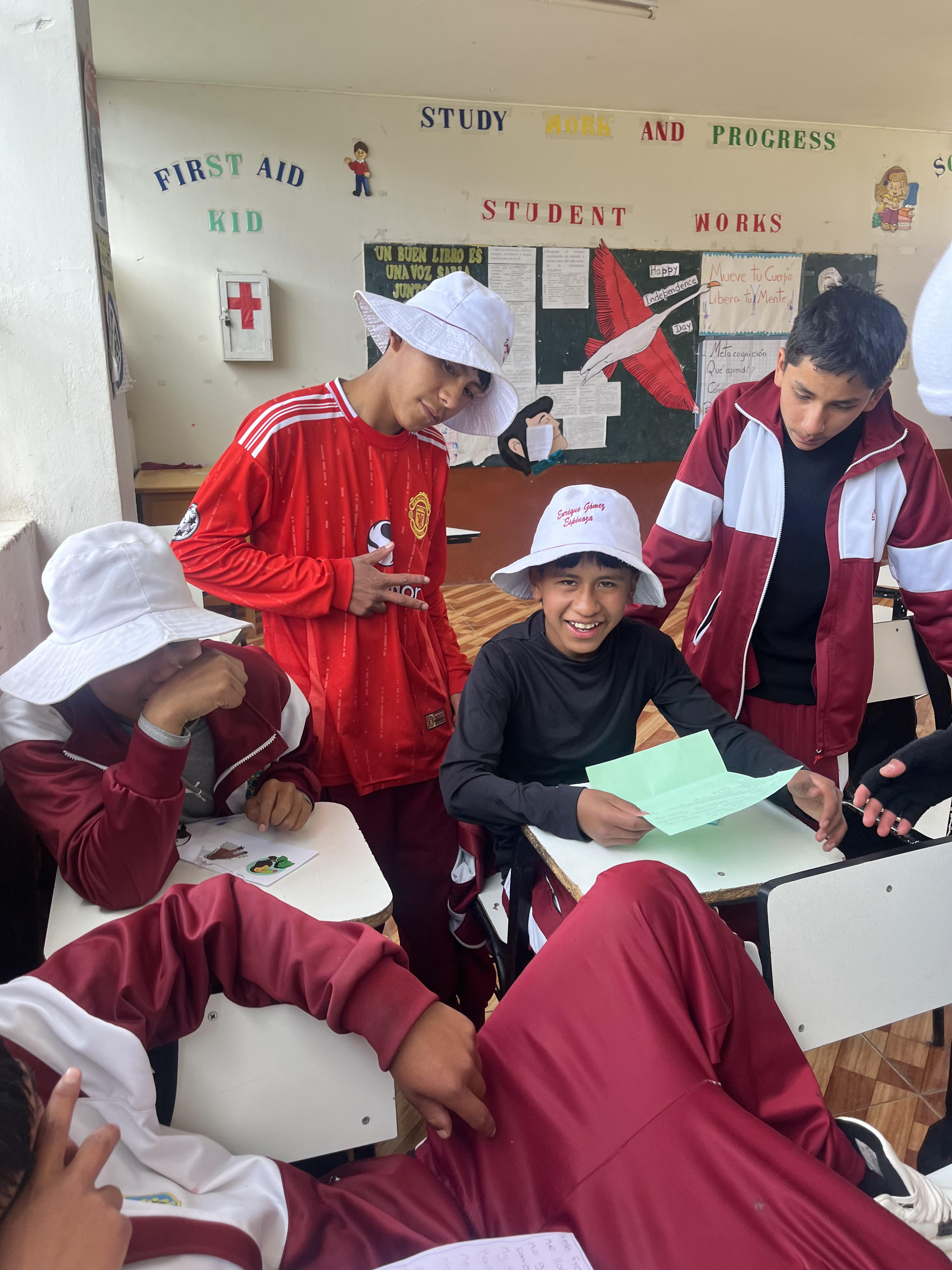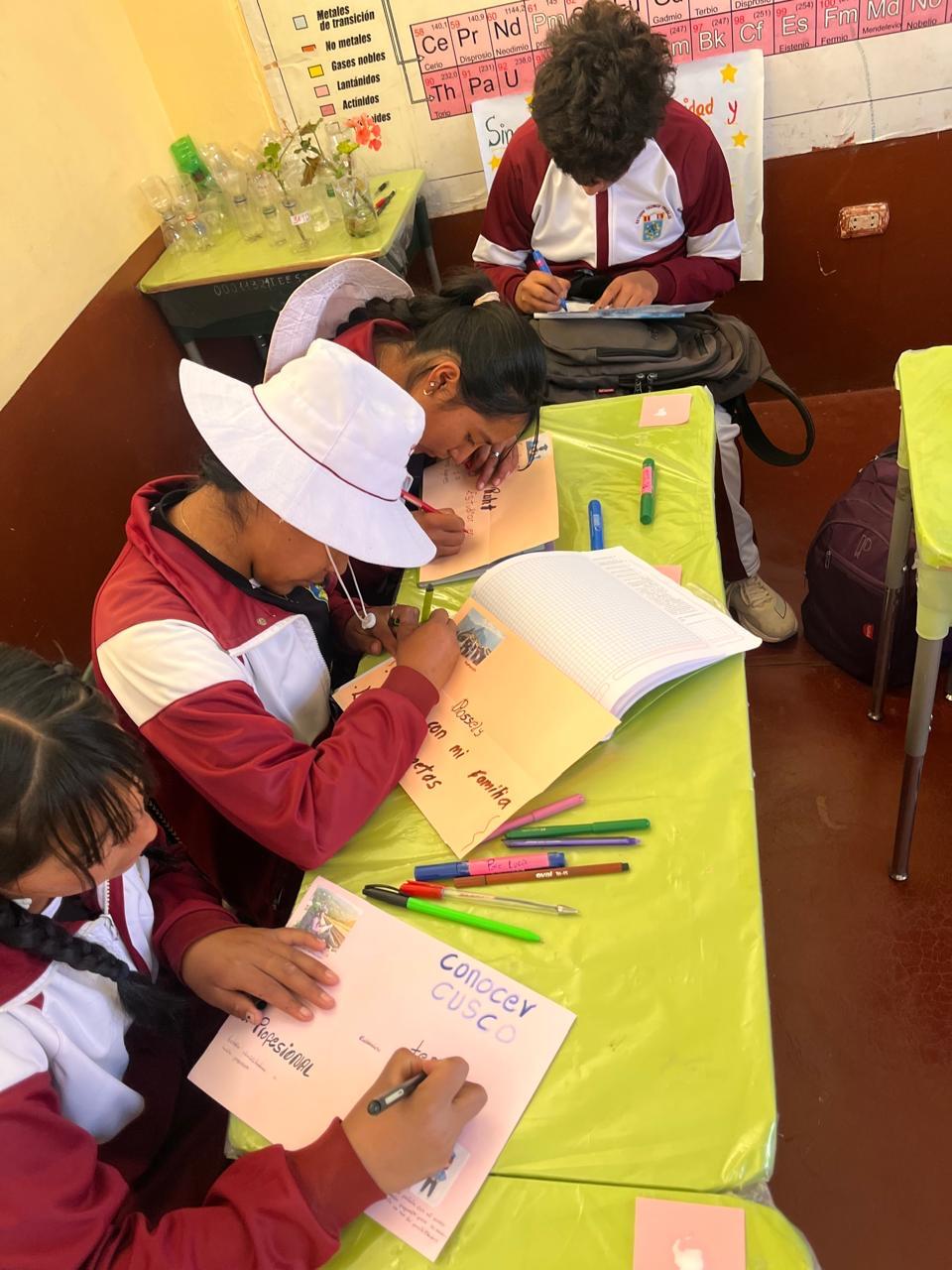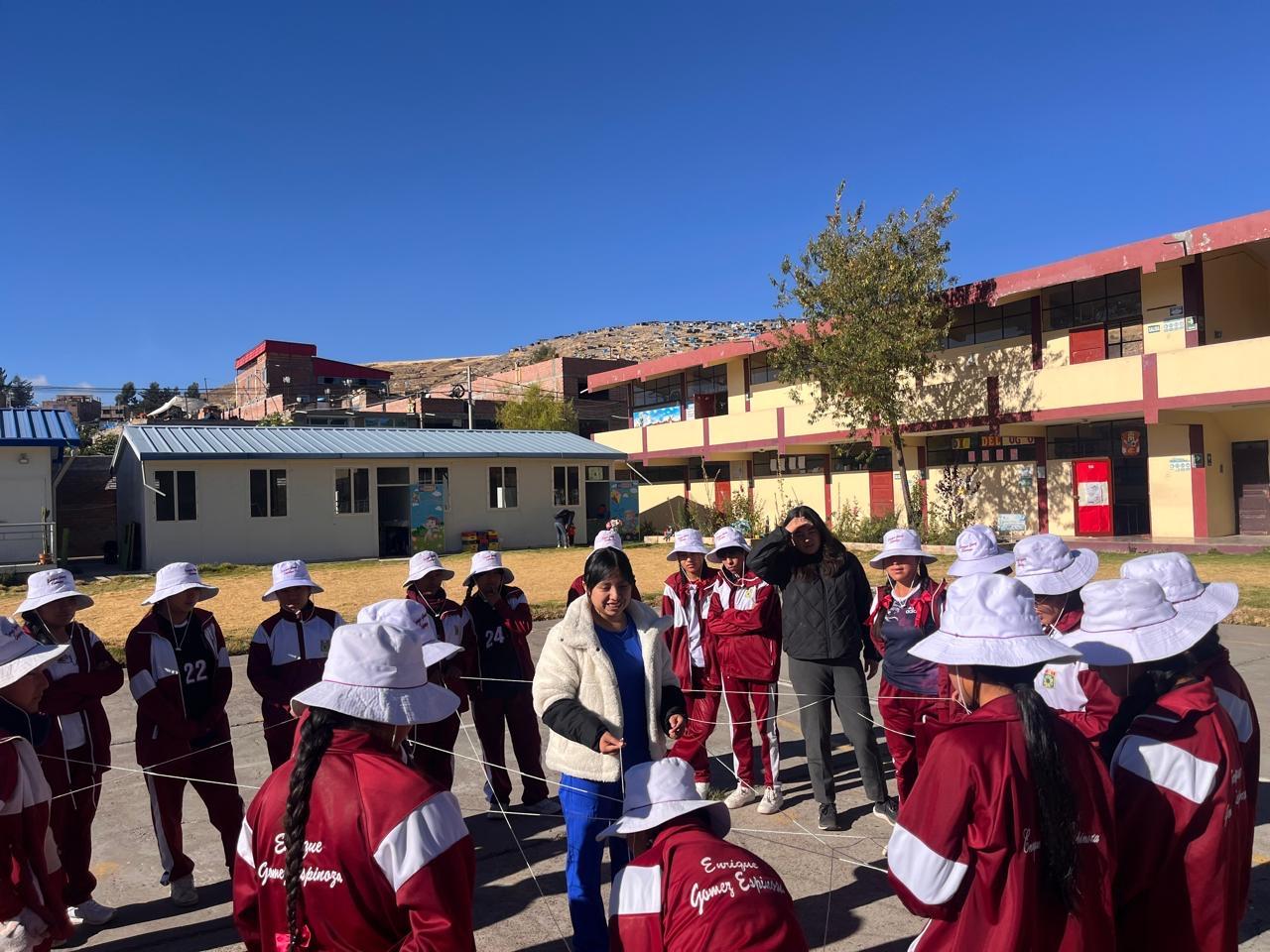
This need exists for several interconnected reasons. There are very few mental health professionals in rural areas, and specialized services are often located in larger cities, making access difficult due to distance and cost. In addition, stigma around discussing emotions or seeking psychological help can prevent young people from asking for support. In some families, physical health concerns or financial responsibilities are prioritized because they feel more urgent and tangible. Conversations about stress, anxiety, or sadness may not always feel as immediate or necessary. As a result, many teens cope quietly with their struggles without structured support systems or guidance on healthy emotional expression.
This need is being met through increased education and open conversation. I work alongside schools and community health workers in working to create safer spaces where students can talk about emotions, stress management, relationships, and self-esteem. Through workshops, classroom discussions, and peer support activities, we are normalizing conversations about mental health and reducing stigma. These efforts may not yet replace the need for more professional services, but they are important first steps. Change is gradual, especially when it involves cultural attitudes, but raising awareness and encouraging dialogue are helping lay the foundation for stronger long-term support systems.