They have never been observed before, which makes them theoretical, meaning science suggests that they exist, but we don't have the proof yet.
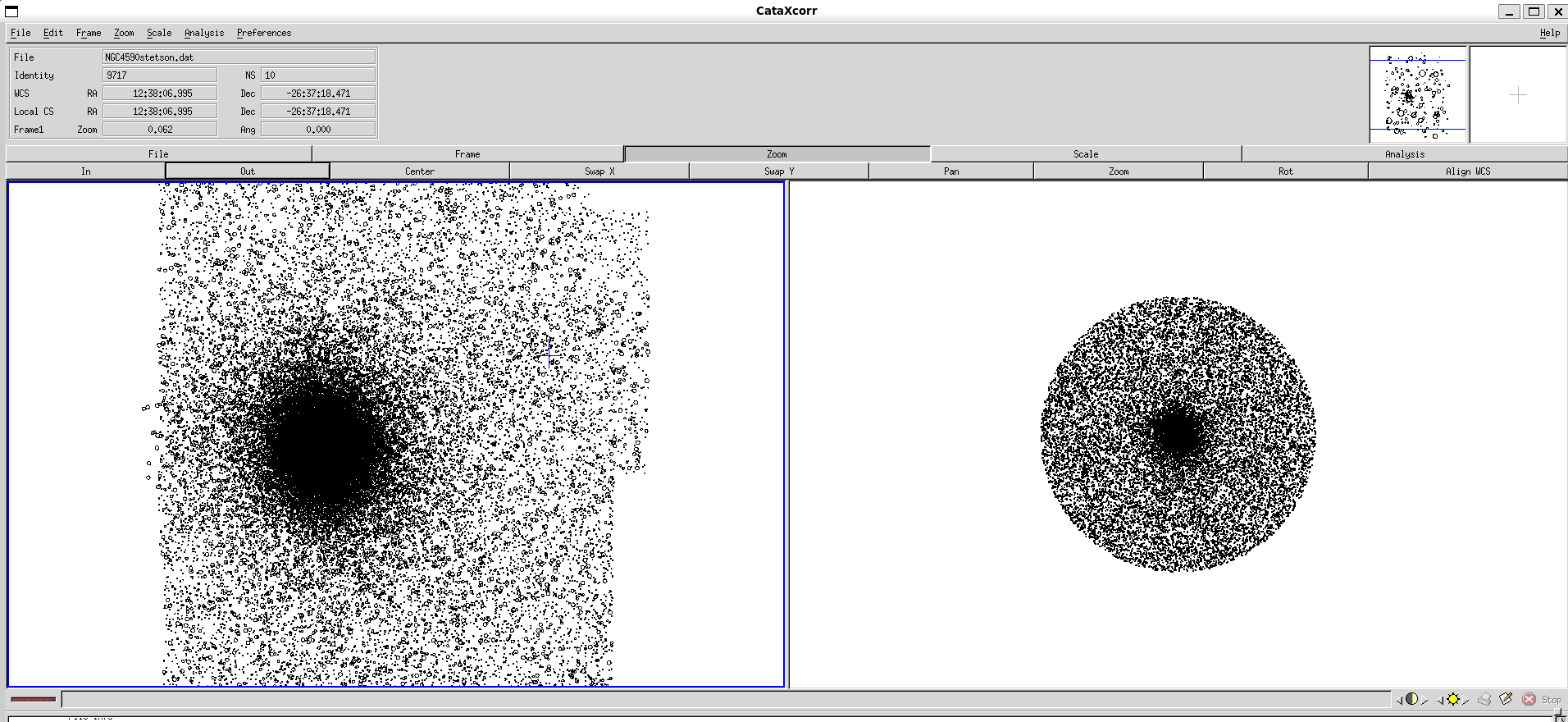
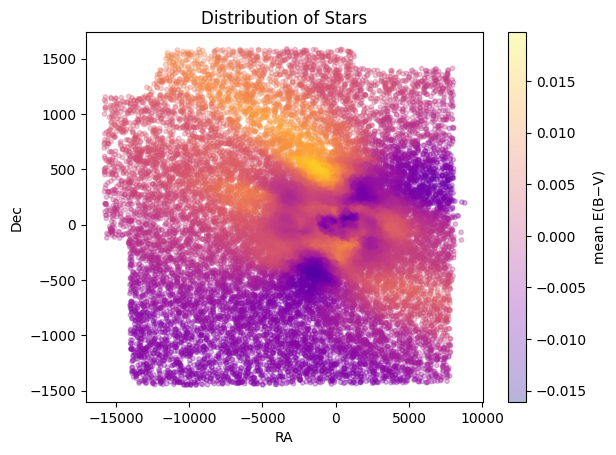
To search for these black holes, I use computer coding and simulations. The space data gives us a map of the position of stars in these clusters. They appear like black dots on a map, each dot representing a star. As you can see, we have detected thousands of stars.
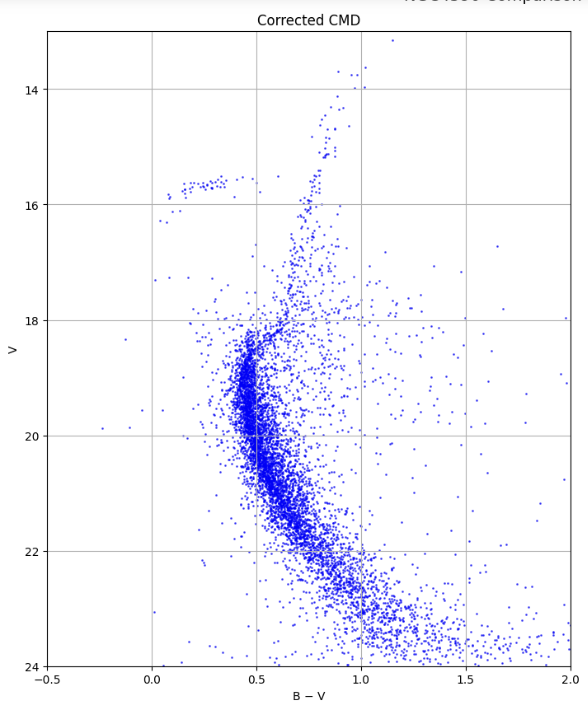
While it might not seem like it, there is a lot we can learn just from these maps. As stars age, they change colors, from very hot blue stars, to colder red stars. The color of a star is how we classify them, and from this we learn how the stars move, their brightness and how old they are. In one picture, you can see a graph of stars measured by their brightness, which match their color. This informs us about how these clusters formed within our galaxy. And by studying the motion of stars, we can determine the possibility of a black hole existing in the center of their cluster, because the strength and power of a black hole will influence how they move.
As you can see, there is a lot to studying space that involves computers more than looking through a telescope. My field of study involves a lot of critical thinking and problem solving; devising unique ways to utilize the data we collect about stars and galaxies. In my opinion, the most exciting part about science is the creativity involved in finding new ways to uncover the history of our universe.