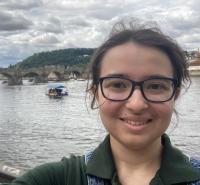
Growing up Ashkenazi Jewish, the Shoah, or the Holocaust, was always in the background of the community, especially among older relatives like my great-aunt, my grandmother, and my great-grandmother. Although my entire immediate family had been in the US decades before World War II, Jewish cultural spaces focused a lot on Holocaust education. Is this something you have already learned about in school?
When I started teaching myself German on Duolingo back in 2021, a lot of family members and family friends seemed confused or upset. I explained, however, that part of my reason for studying the language was to connect to my Jewish heritage. My great-grandfather, after all, had been born and raised in Leipzig (a city near Berlin) and spoke with a thick German accent.
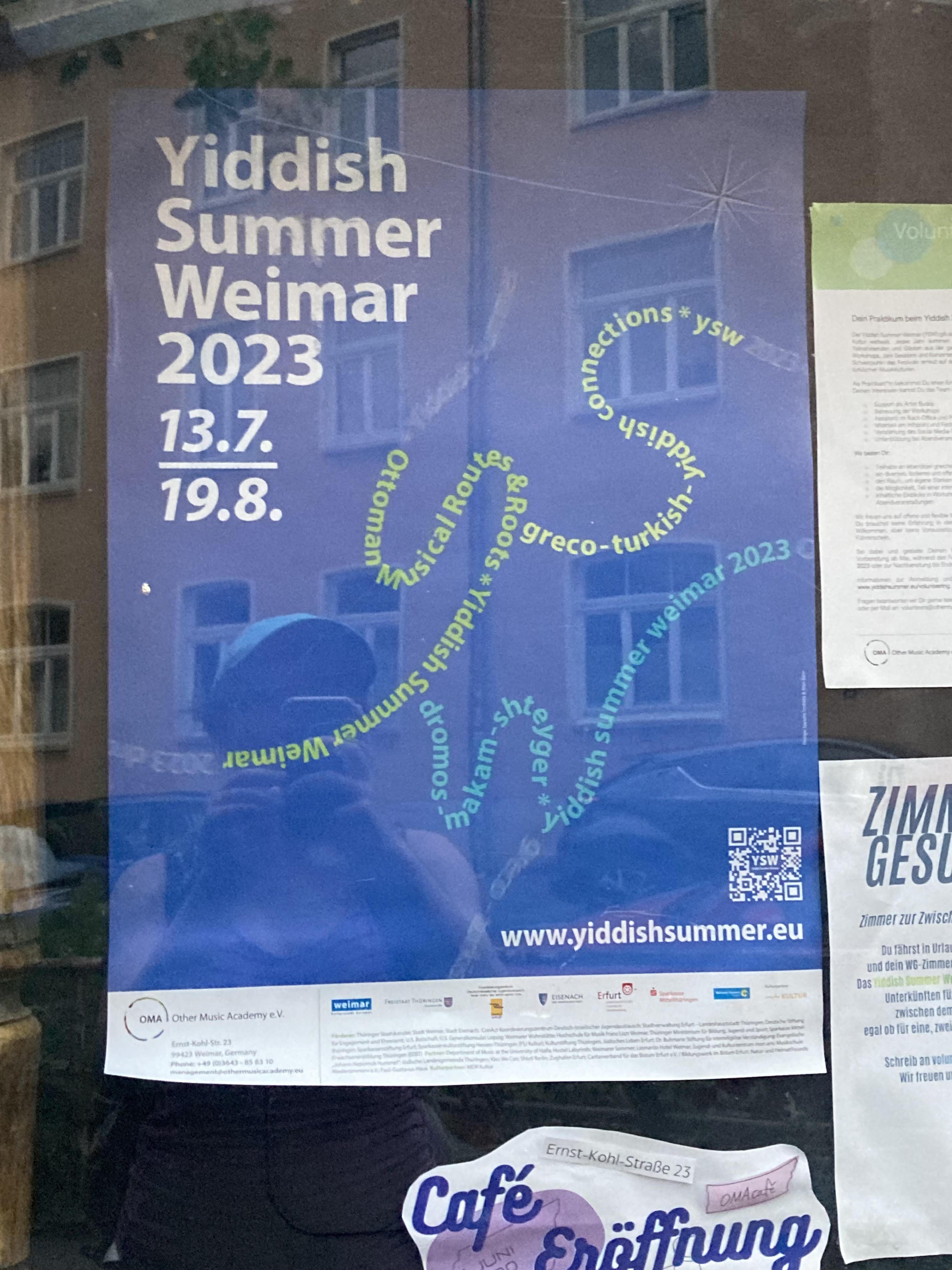
I was also drawn to German because of its rich Jewish history. Many famous Jewish writers, thinkers, and leaders came from German-speaking areas. These include Franz Kafka, a well-known author, and Theodor Herzl, who helped start Zionism. Jewish people played an important role in German culture and language. Yiddish, a language spoken by many Ashkenazi Jews, is also closely related to German.
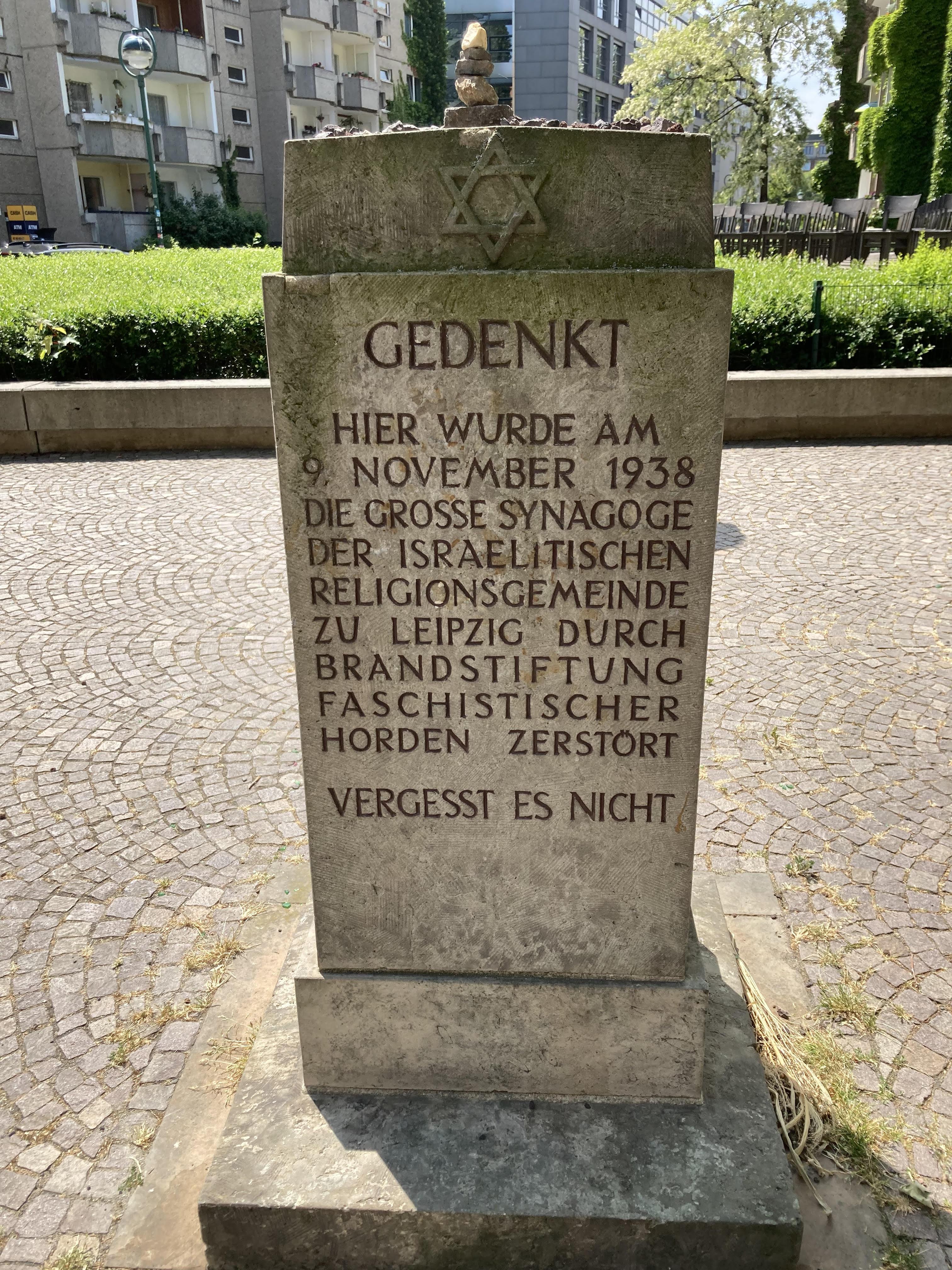
When I first traveled to Germany to study in the summer of 2023, I felt nervous about what it would be like as a Jew. What stood out to me most was how much effort Germans make to remember and learn from their past. History museums clearly talked about antisemitism and also shared information about Jewish life and contributions to German culture. There are also many museums focused only on Jewish history, such as the Jewish museums in Berlin and Frankfurt.