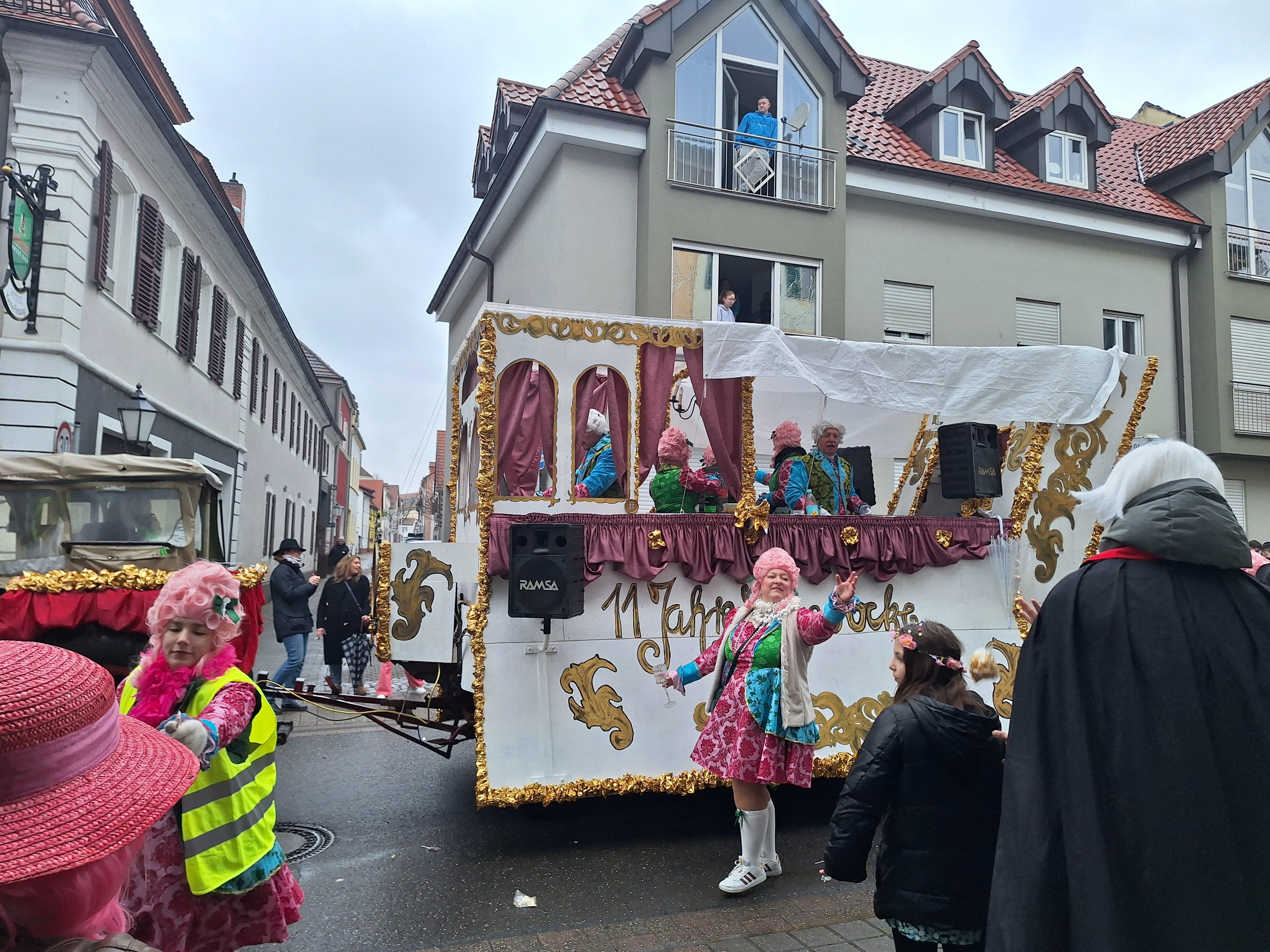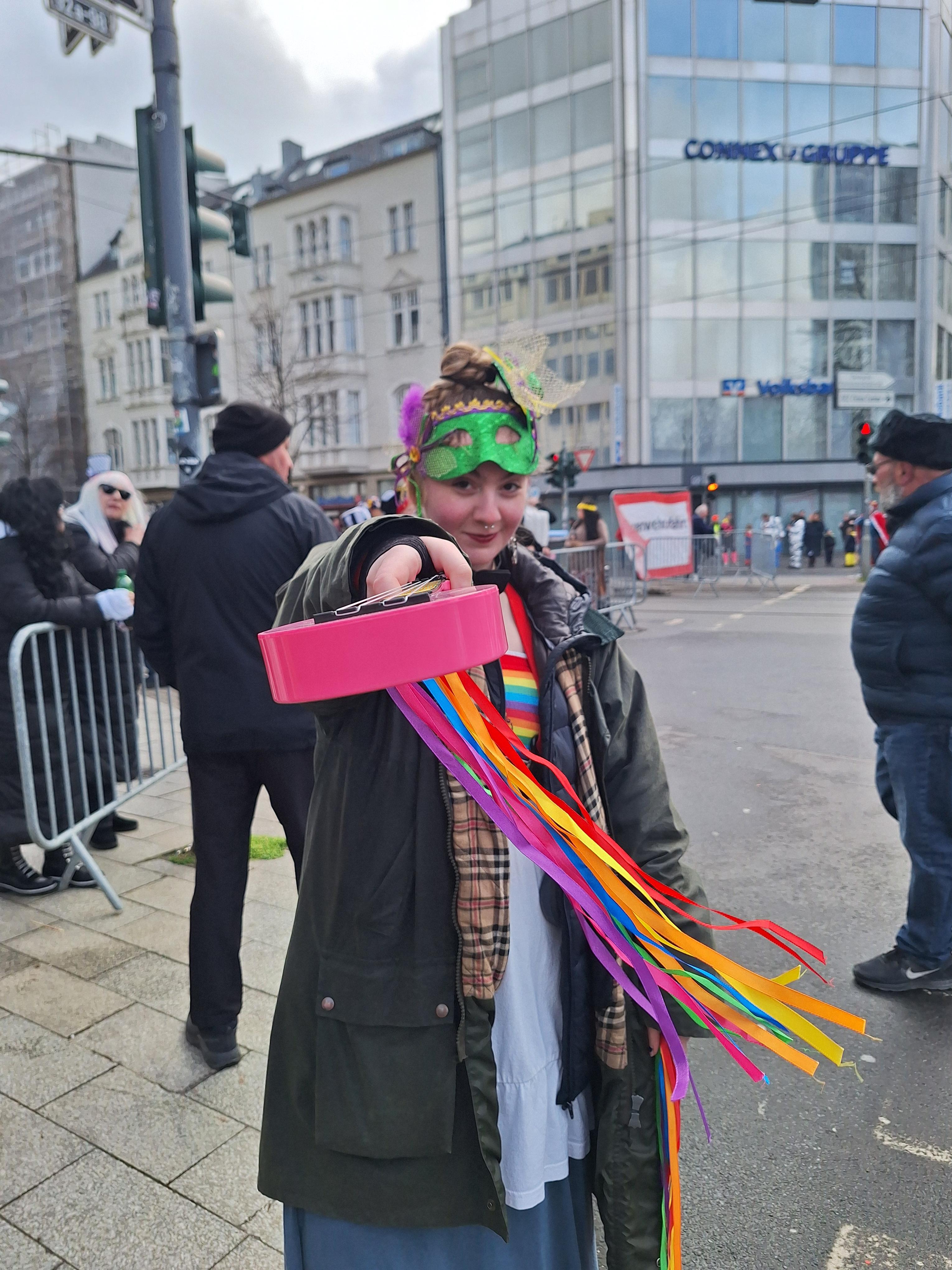
Besides the religious base this tradition has, Fasching also has a few historical components. Europe, specifically the region that has become modern-day Germany, has a long tradition of celebrating a ‘topsy-turvy’ holiday -- a day when all regular societal rules go out the window.
After Christianity took hold of European culture, the practice was reinvented as a pre-Lent party. To keep people from breaking the rules, the Church gave people a reason to go all out and celebrate. Some rulers did not like the revolting, political nature of early Karnival festivals, so it was outlawed. Ironically, French leaders banned Karneval festivals from 1792 - 1814, and yet the region of Germany that now celebrates Fasching was once occupied and controlled by the French. These regions of Germany still reflect some French-ness in their culture, but they also hold a decent amount of disdain for that era in their history. In this way, many Fasching celebrations are designed to mock French styles.
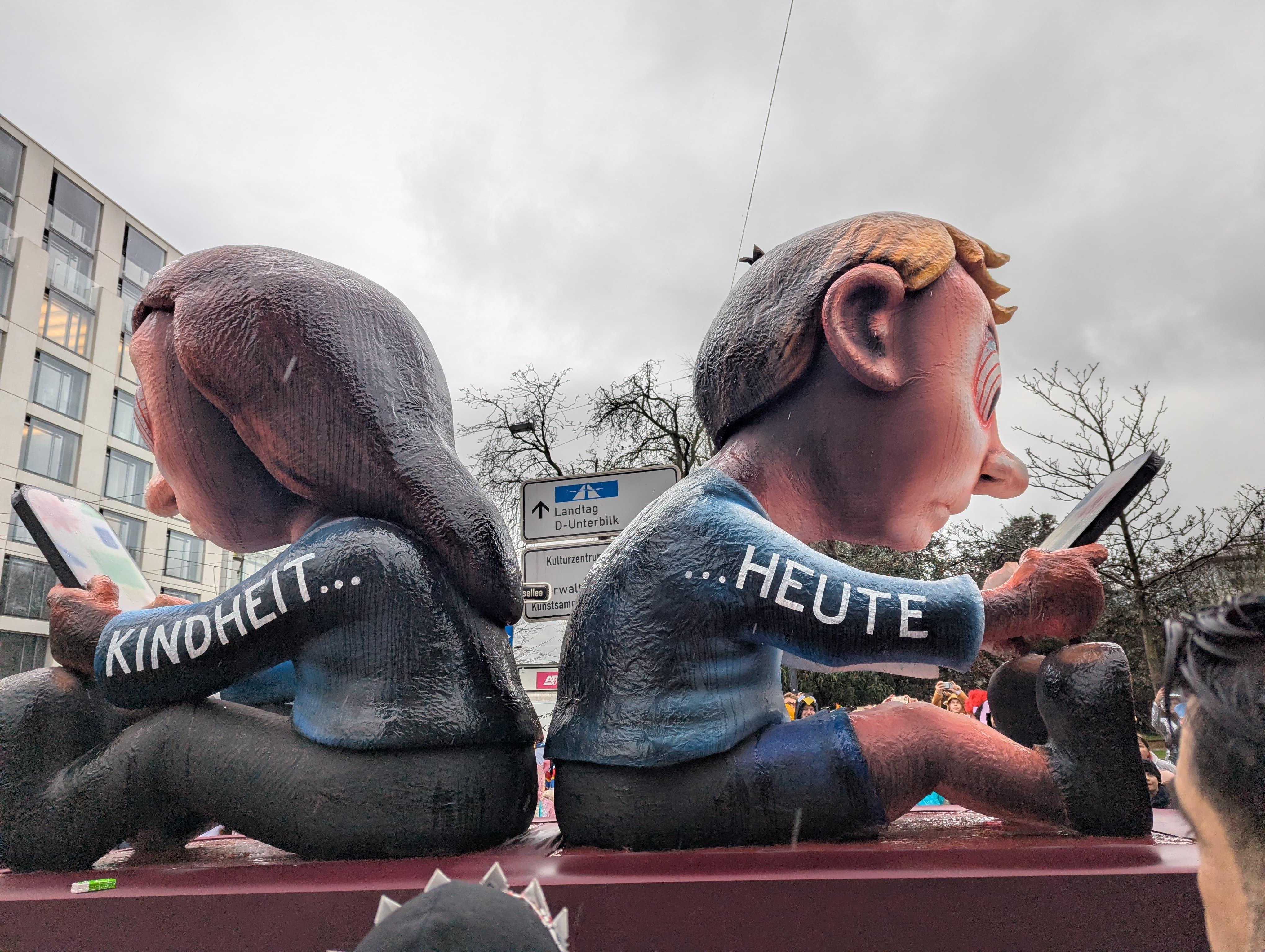
In the spirit of political ridicule, modern parades are often well remembered for their international political commentary. Frequent political topics seen on Fasching floats in the last several years include German party ignorance of environmental issues, Russia and its war in Ukraine and the United States’ relationship to Germany and the international community. By venting their political frustrations through art and partying, Germans find a fairly healthy way to process the world around them and their place within it.