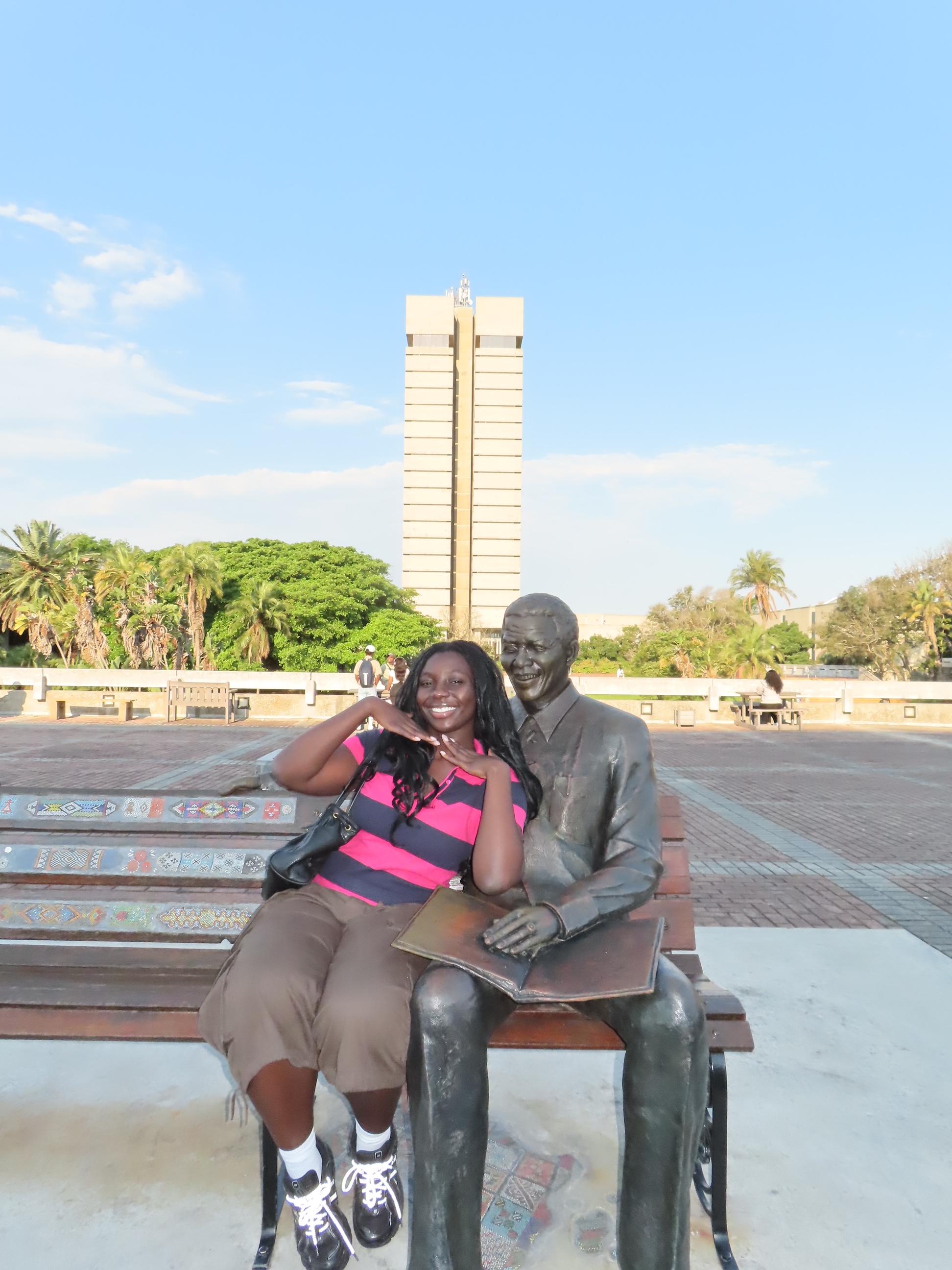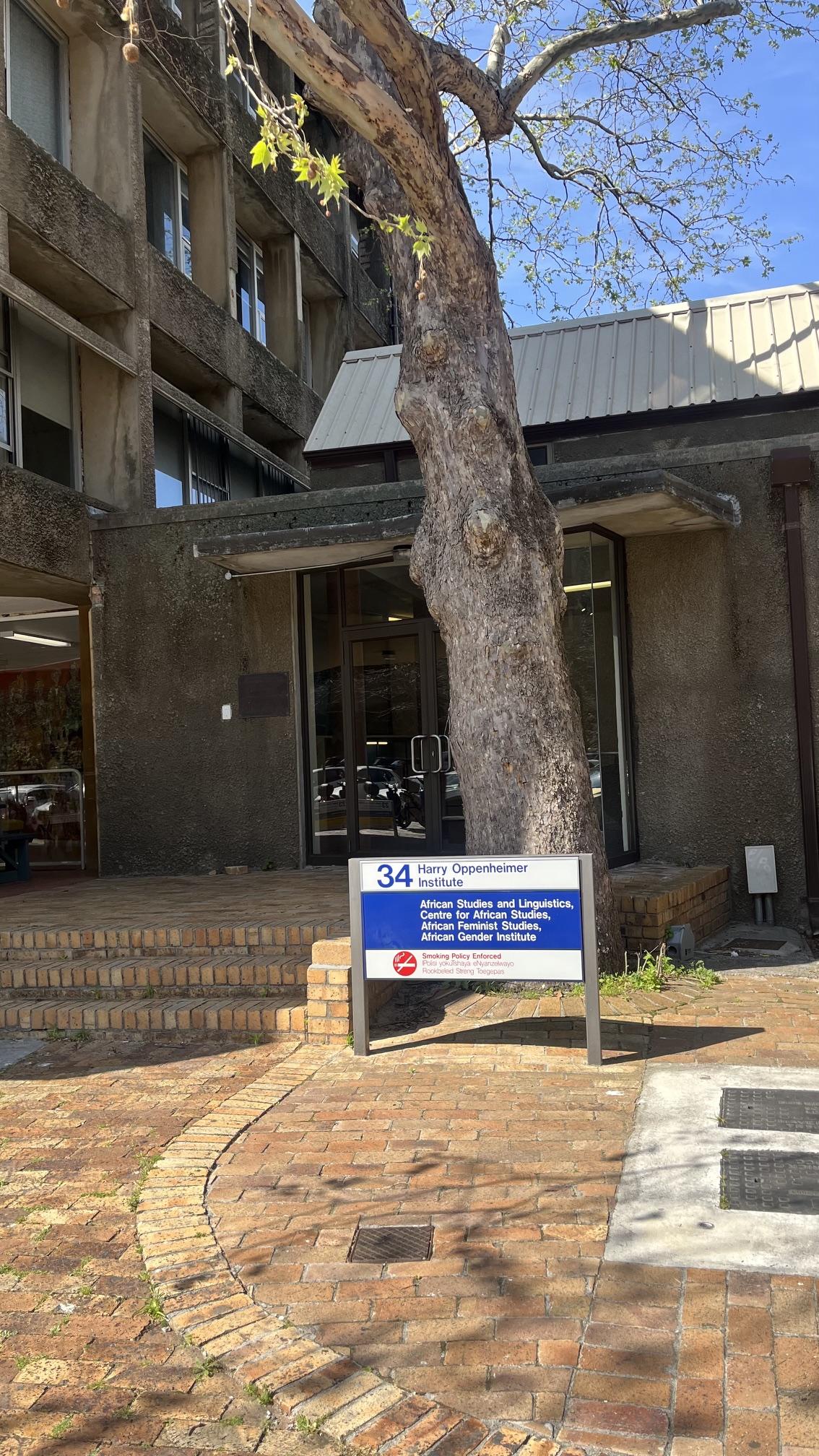
My main reason for studying in Cape Town, South Africa, was my interest in African history and politics. In high school, I took a dual-credit course called Afro-American History Since 1865, which is before AP African American History existed. I loved this class so much that I took another African American history class in college, leading me to major in African and African American Studies. Although I grew up in both Ghana, where I learned about West African history and independence struggles, and in Chicago, where I experienced American racial dynamics, I knew little about southern Africa. Studying in Cape Town has helped me understand how South Africa’s history of colonialism, slavery and racism continues to shape the country today.
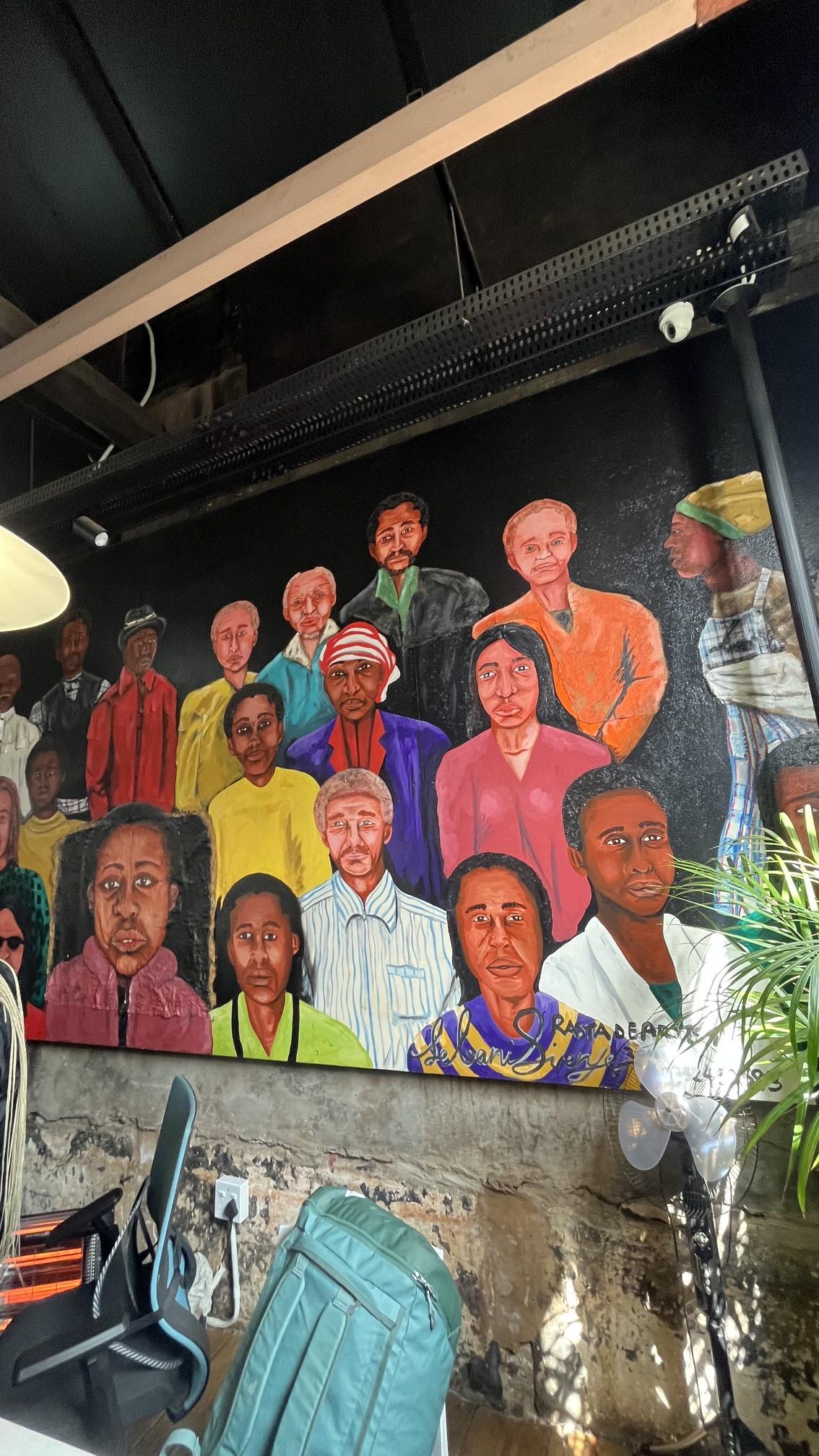
One of the first things I learned was how South Africa’s racial diversity reflects its history of colonialism and slavery. Although approximately 80% of the population identifies as Black African, the country also includes White, Indian or Asian, and Coloured communities. South Africa is often called the “rainbow nation,” a term popularized during its transition to democracy to celebrate its diversity. However, these communities also reflect the country’s colonial past.