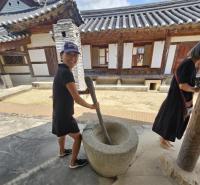
Life at Border Peace School — and in much of life in Korea — often centers around shared meals. During one visit a small group of children joined us for dinner and we cooked samgyeopsal (삼겹살) together on a small barbecue outside. Eating slowly so close to the border felt quietly meaningful. It reminded me that connection often begins in simple ways — sitting at the same table, passing plates and giving time to one another.
Afterward I joined them at an evening light show at the Cheorwon Cultural Center. We watched an animated film about the history of the DMZ as a light rain fell around us. Because we had already shared a relaxed meal, going together felt natural rather than planned. That day stayed with me. It gently shifted how I think about my project — not as something separate from daily life but as something that grows from ordinary moments of familiarity and shared curiosity.
During those early months, Border Peace School became a gentle anchor for me. Spending time with farmers and staff there, observing the land, I began to understand that patience is not only cultural — it is environmental. Landscapes change slowly. Relationships do too.
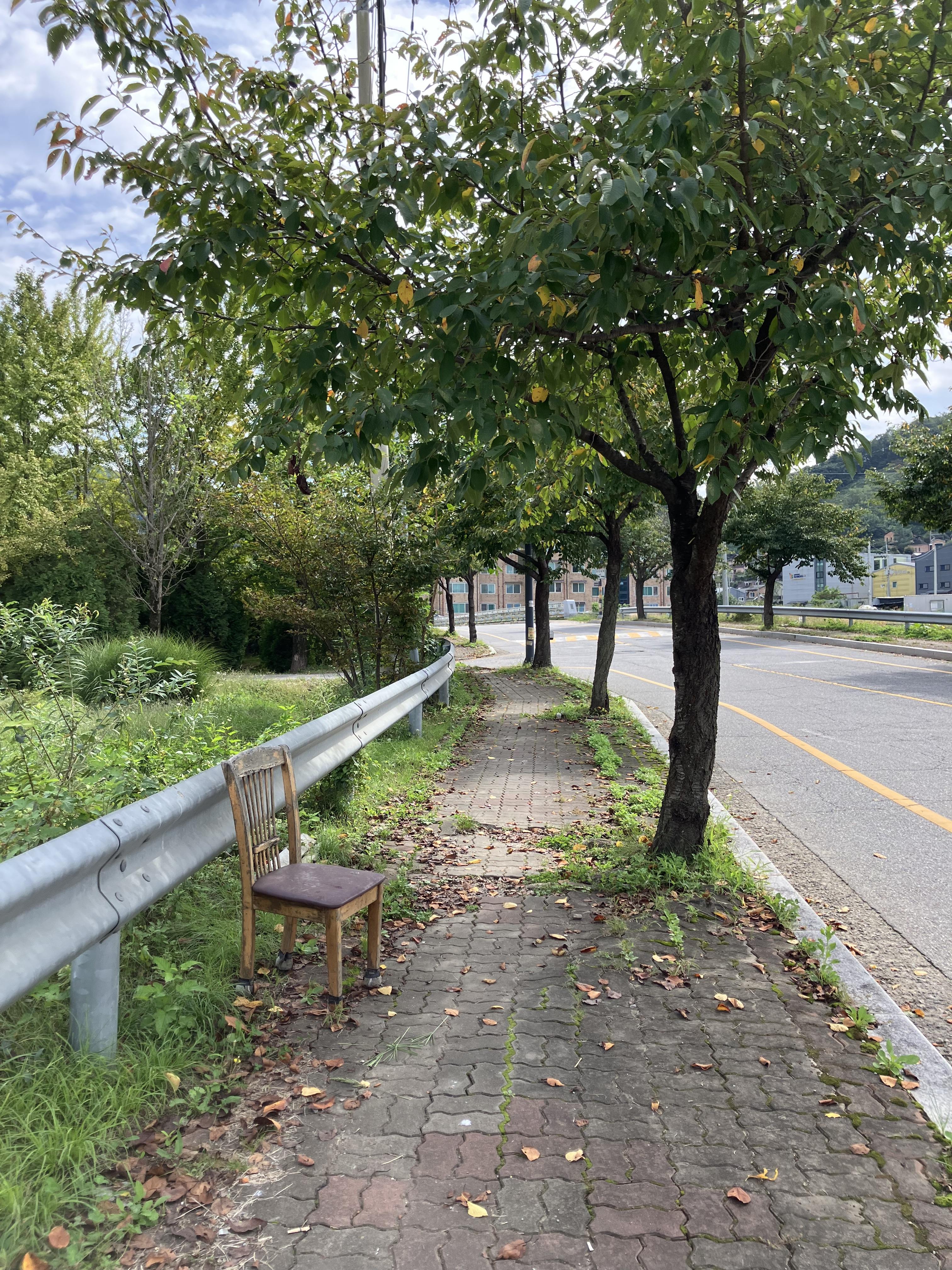
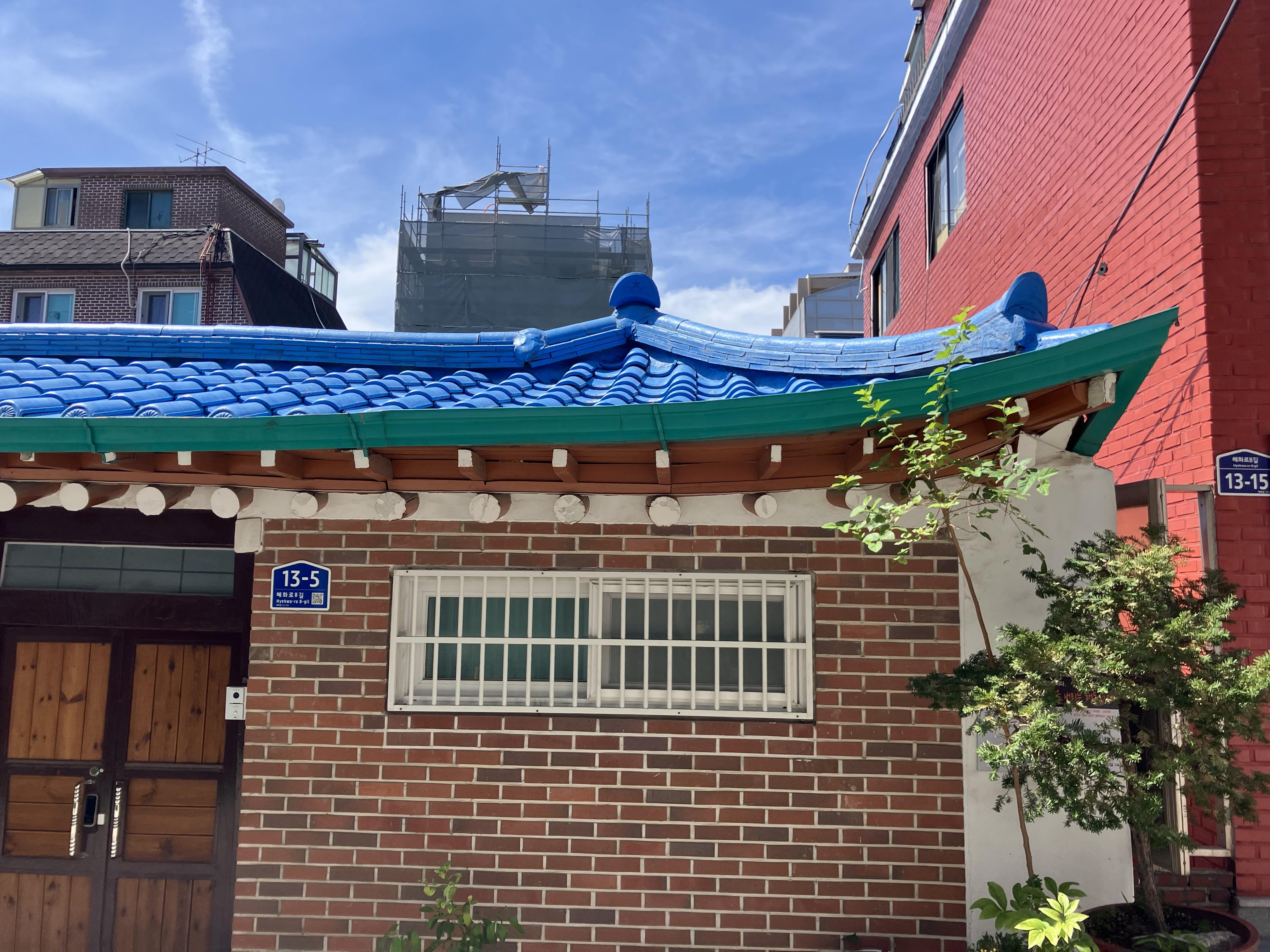
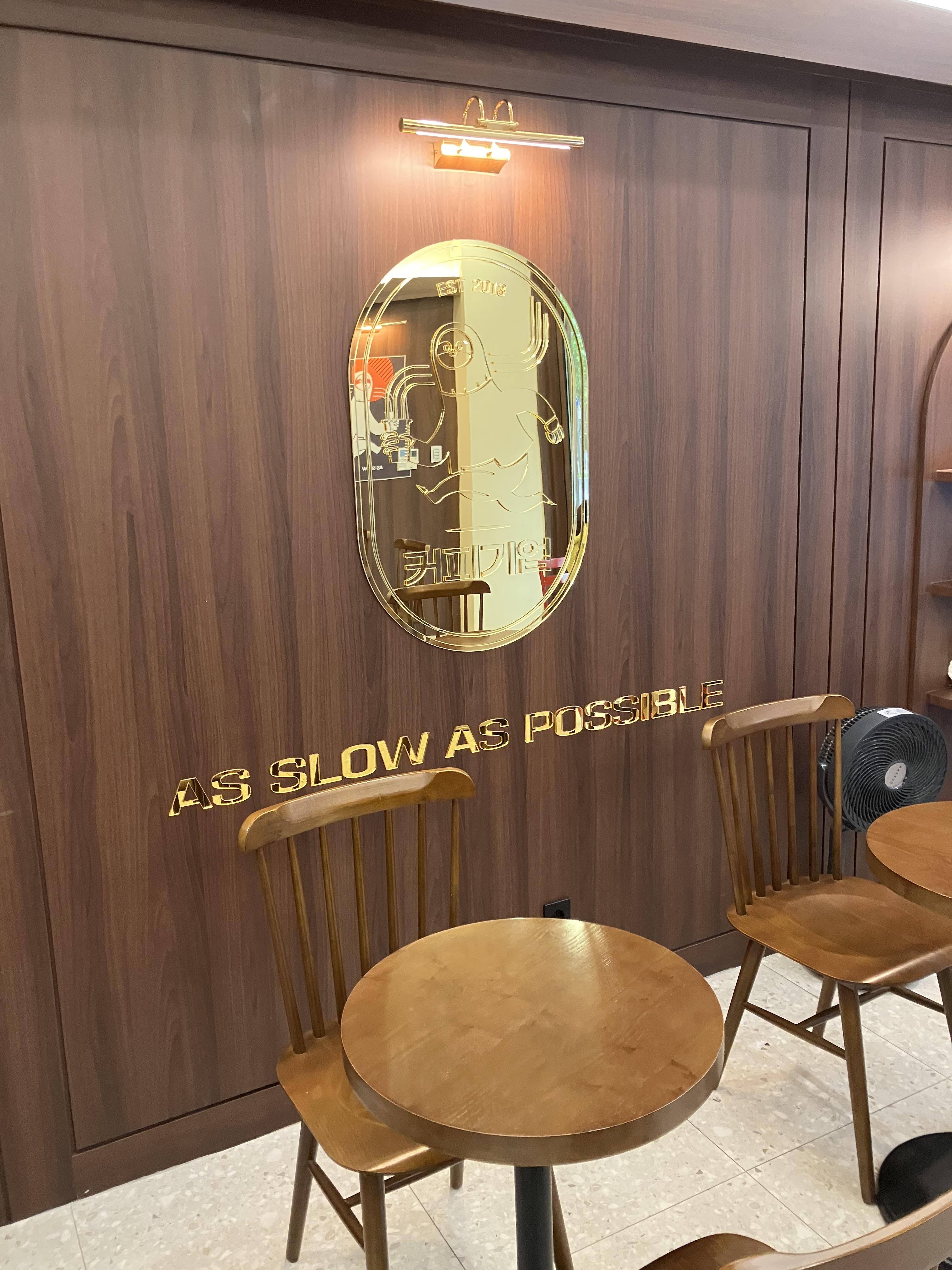
I arrived thinking my project would begin with research near the DMZ. Instead, it began with learning how to notice. Slowing down did not delay the project; it became part of it. Across Korea, in everyday spaces both urban and rural, I started to recognize the same rhythm of patience.