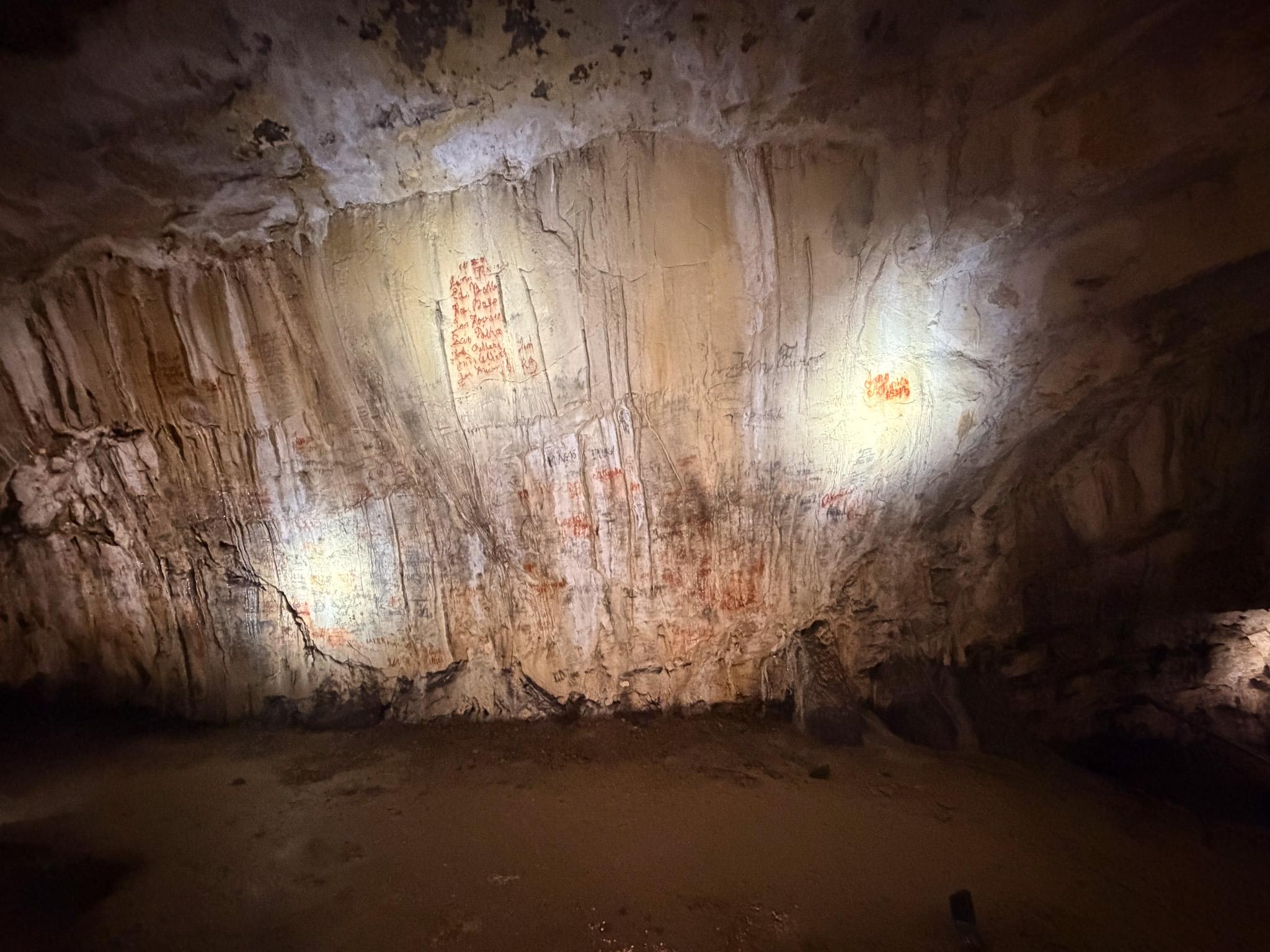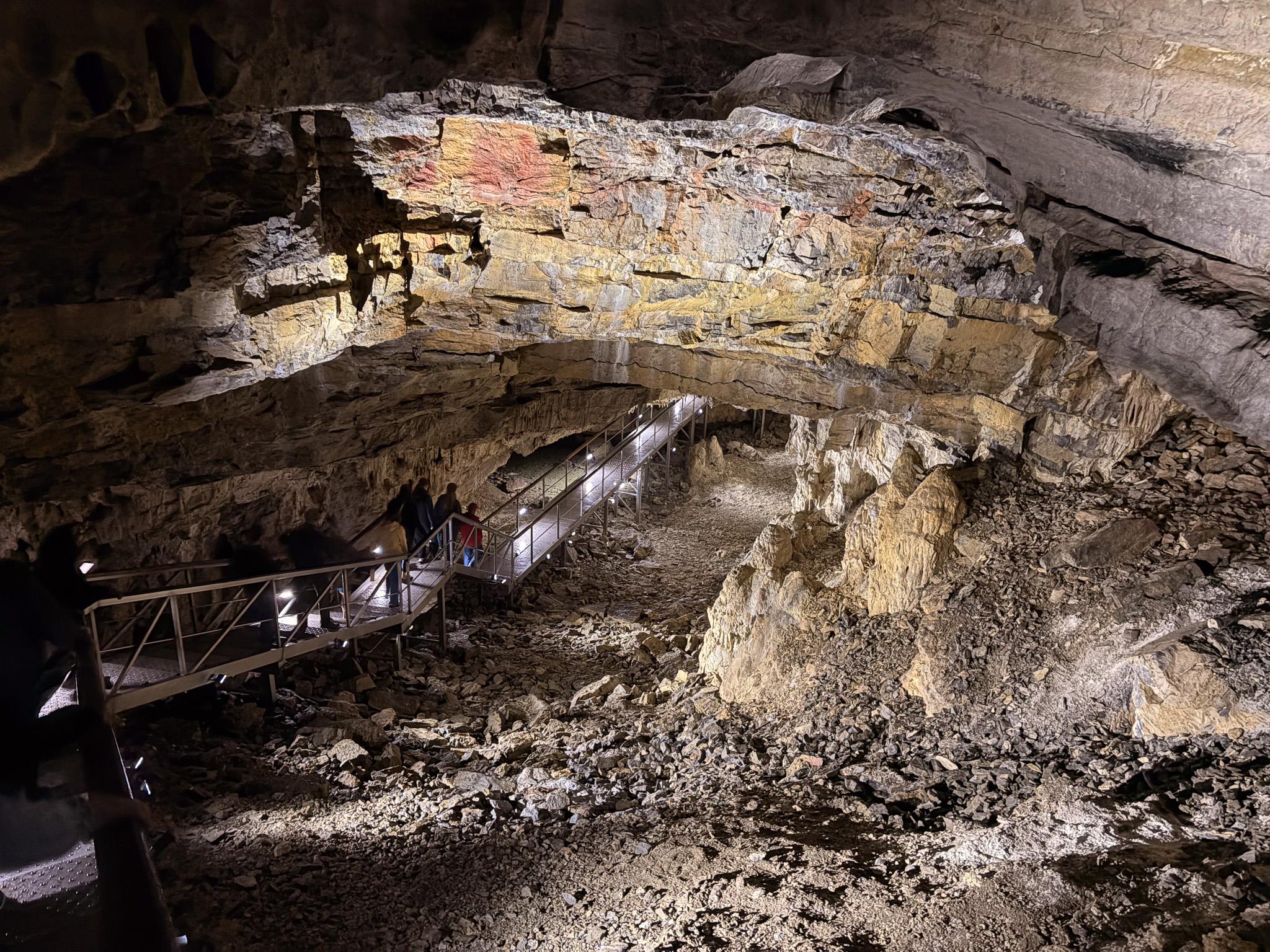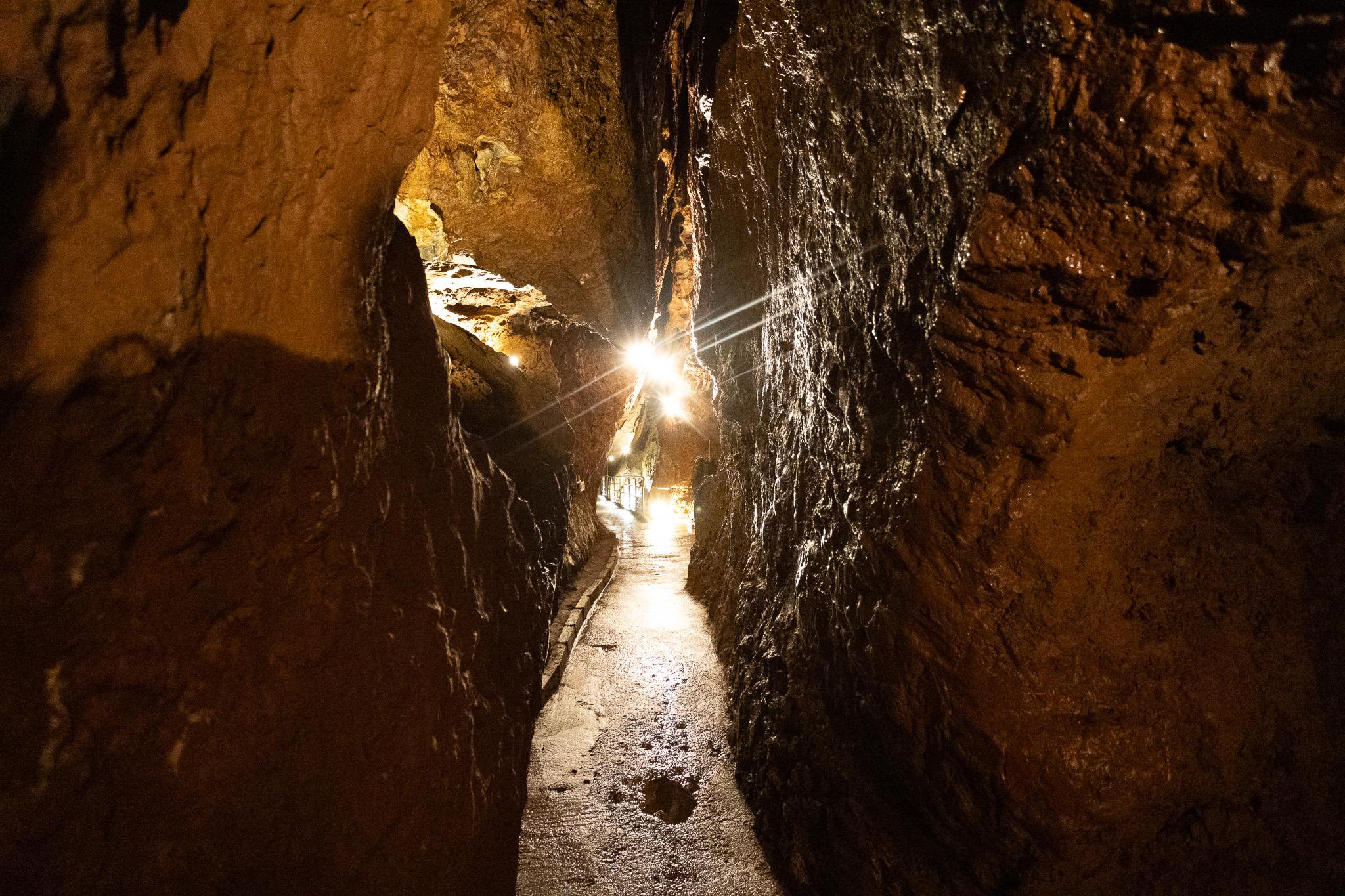
I was really amazed! As you can tell, I really enjoy learning about the processes over billions of years which have made Earth the best place to live in the universe. Unfortunately, all the cave tours are in Slovak, a language I don't speak, so I had to resort to a basic description in English and my two eyes to learn. If you ever visit a foreign country, try not to be discouraged by language barriers. You can still learn and see so much even if you can't understand the tour guide.
Most of Slovakia's (non-living) caves are very close to my hometown, along the border with Hungary. This area is known as a karst landscape, where water is able to disssolve the limestone rock and make caves. Some other areas of Slovakia have caves too, such as in the nothern Tatra mountains. However, most caves are in the south.
Caves are almost always hundreds of feet underground, and are very cold as a result. The creatures and organisms which live in caves are specially adapted to these dark, damp and cold conditions. The temperature inside caves also help preserve the rock formations, by preventing different types of climate-related damage from occuring. I remember shivering in both caves under my jacket, but I didn't care. The caves were too cool for the cold.