Here in Việt Nam, I saw the tradition again when I visited my Peace Corps Language and Culture Facilitator, Hà. She showed me her grandparents’ family altar in her home. Seeing the altar reminded me of the ones in my relatives’ homes when I was growing up.
Cúng happens during many important events. Families perform cúng during Tết (Lunar New Year), full moon days, death anniversaries, weddings, one month and one year after a baby is born, and even when opening a new business or beginning construction on a house.
There is a special saying in Việt Nam that goes, "Có thờ có thiêng, có kiêng có lành", which means "Show respect and you'll receive blessings; be cautious and you'll stay safe". Cúng is a way for families to honor and remember their ancestors. In Vietnamese culture, respecting elders and past generations is very important. Many people believe their ancestors continue to protect and guide the family.
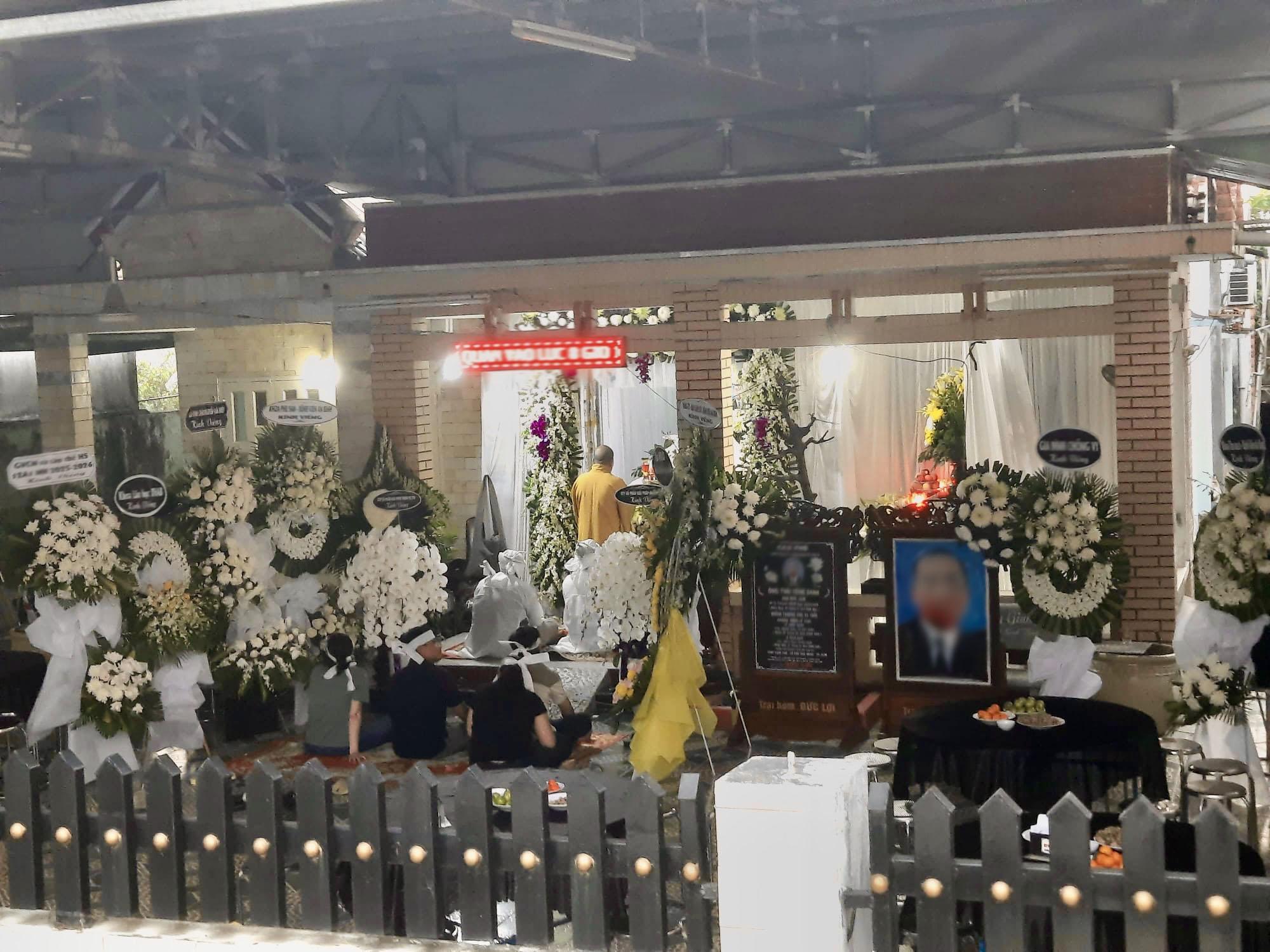
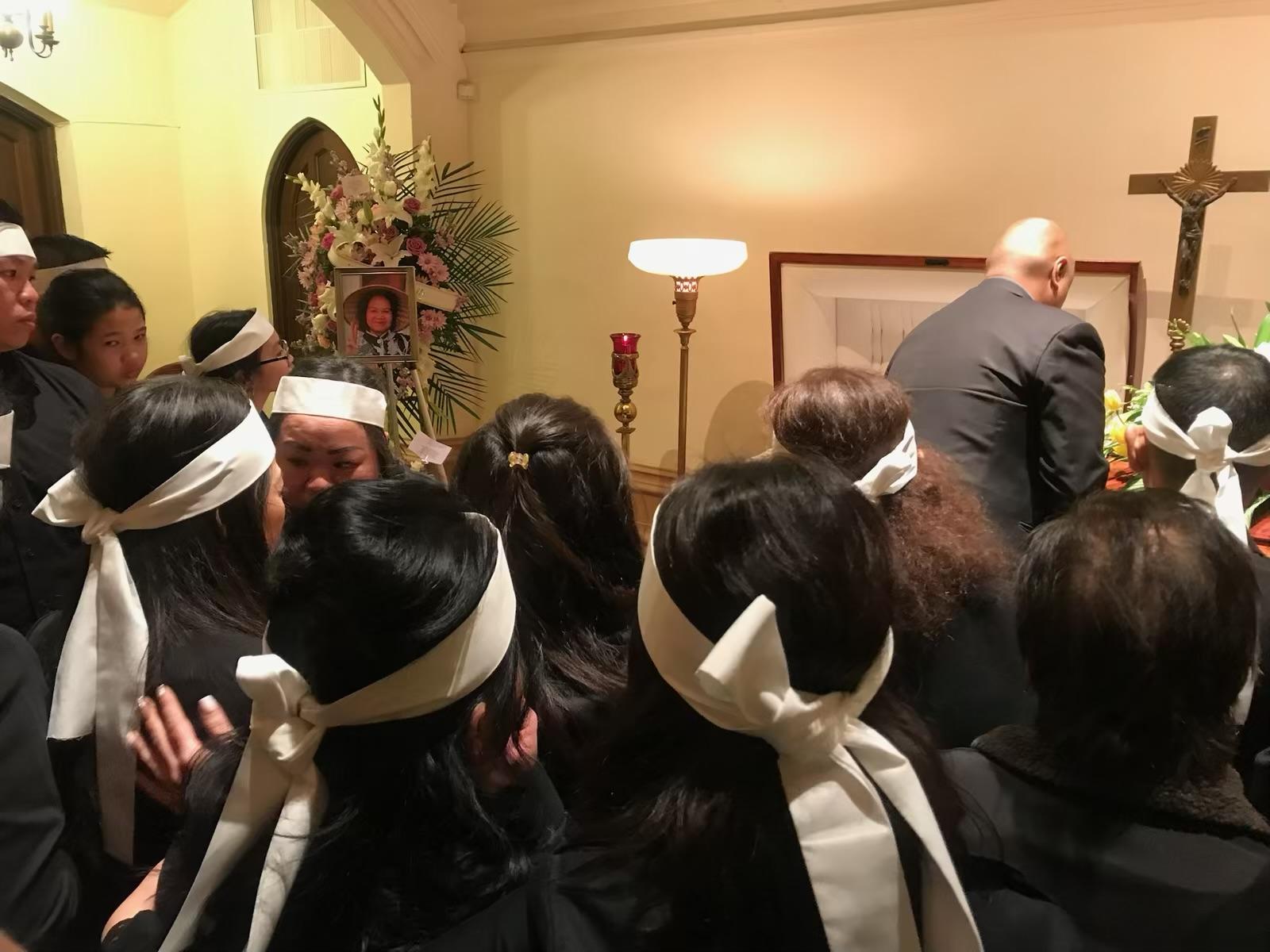
There are also special ceremonies after someone passes away. Families often hold offerings on the 7th day, 21st day, 49th day and 100th day after death, and then each year on the person’s death anniversary (ngày giỗ). These ceremonies help families remember their loved ones and pray for peace for their spirit.
Cúng also brings families together. Preparing the food, lighting incense and sharing the meal afterward helps strengthen family bonds and keeps traditions alive.