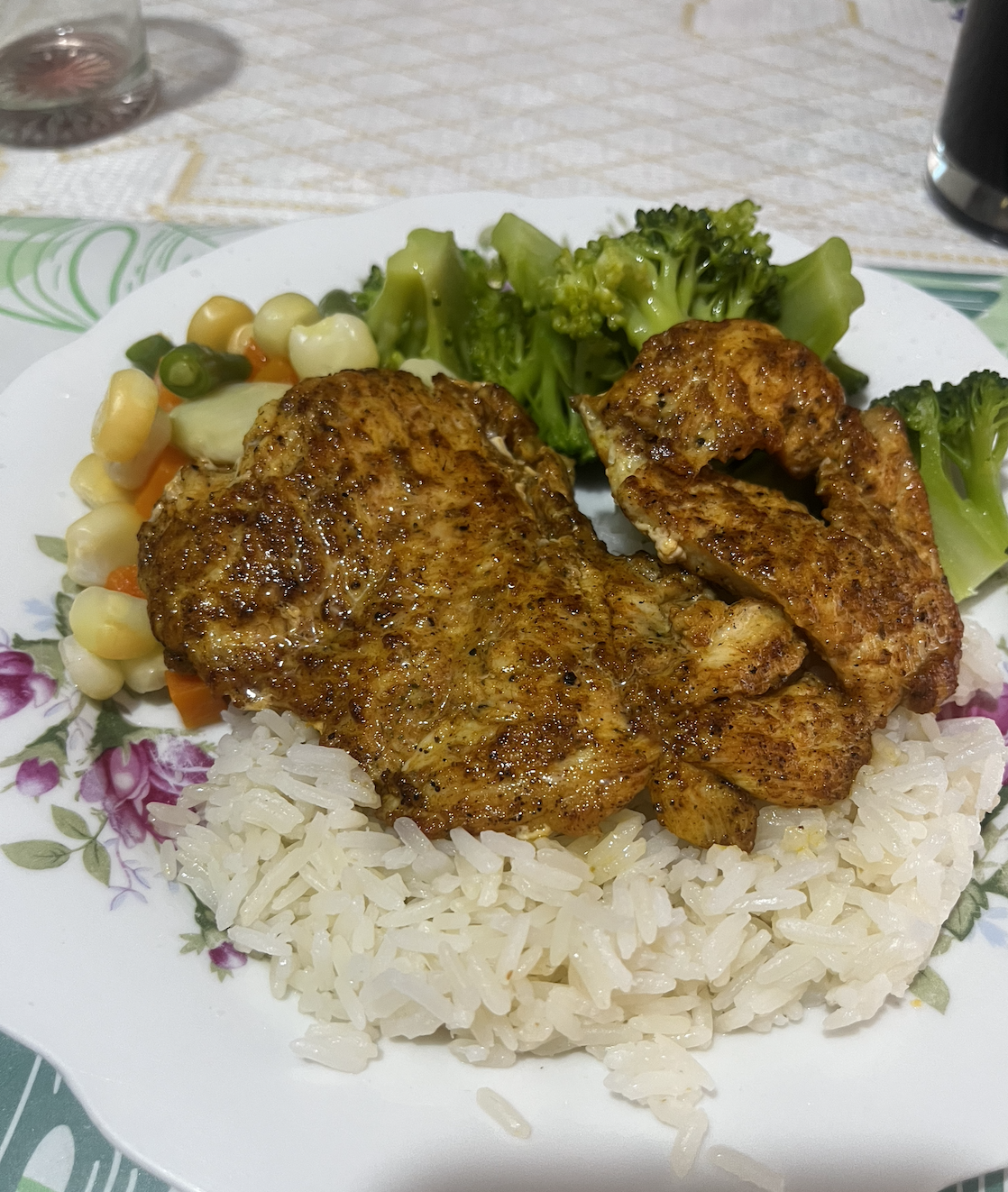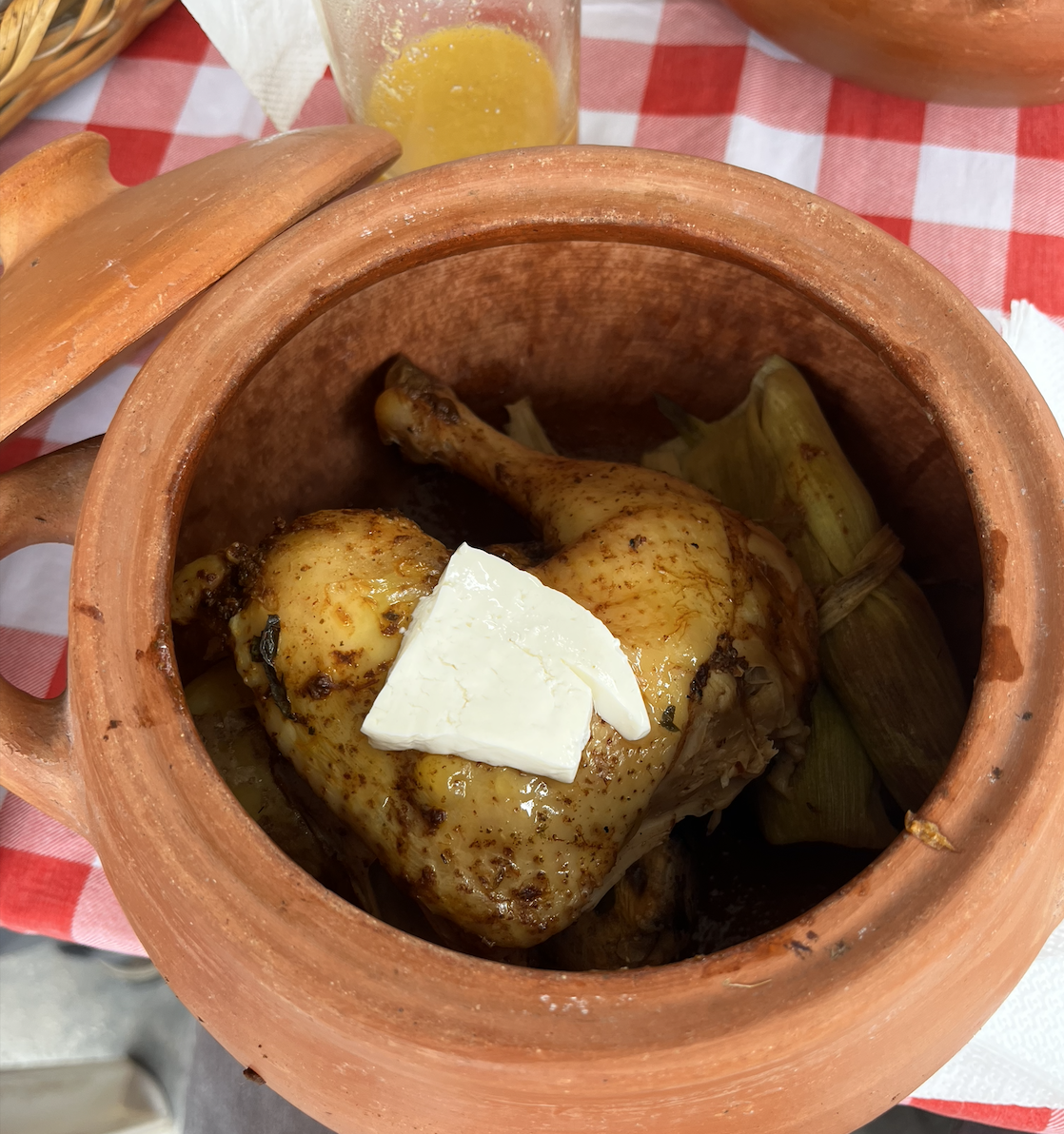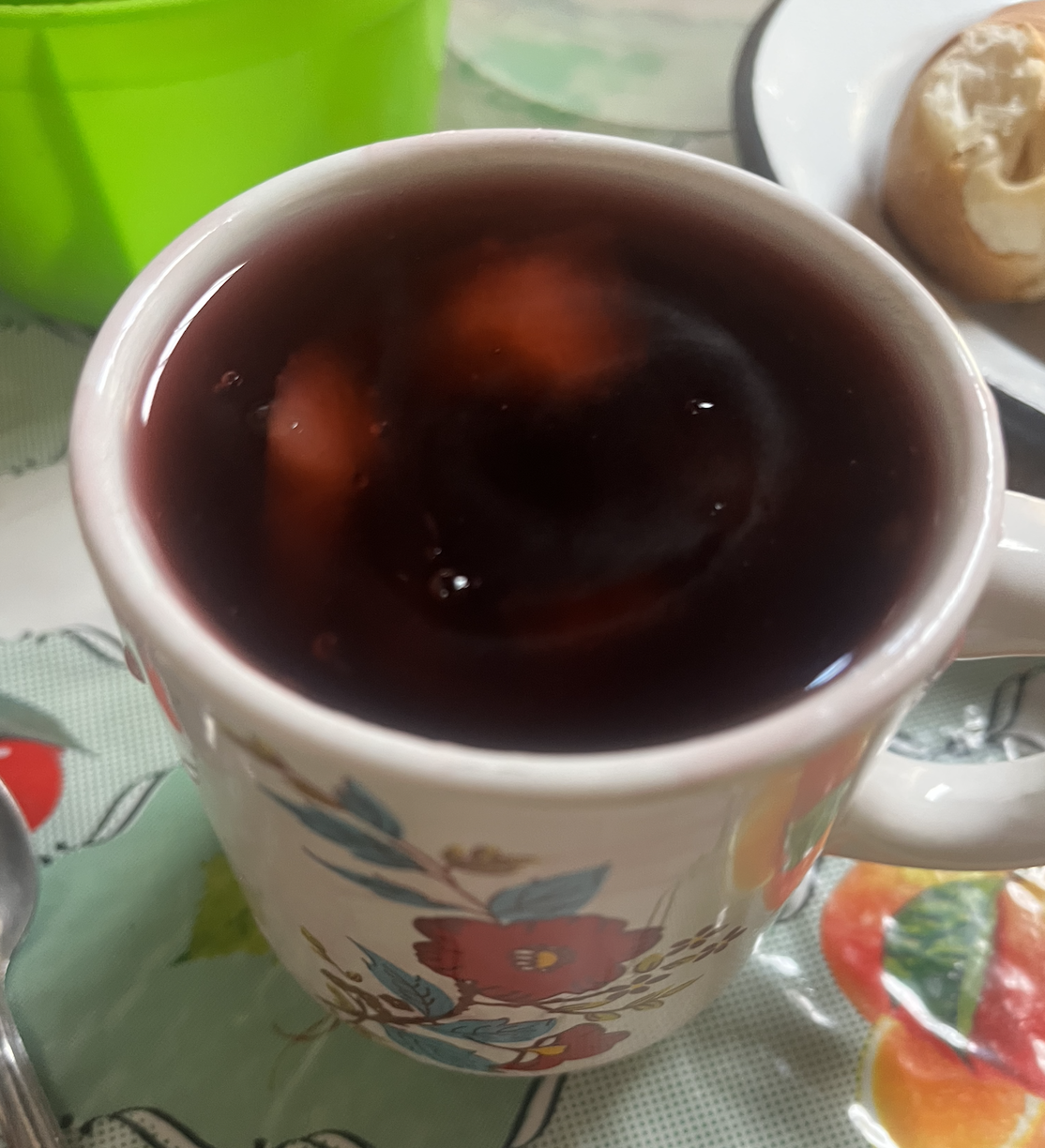
Cooking for me is one of the ways in which she shows love and it is so important to understand and respect this.
I've written about a few different foods but wanted to outline one that is probably the most different than something I had eaten before coming to Perú: picante de cuy!
Picante de cuy starts with cleaning and seasoning the cuy (guinea pig), which is usually cut open and flattened so it cooks evenly. The meat is often marinated with garlic, cumin, salt and ají peppers to give it a strong, savory flavor. After that, the cuy is either fried in hot oil or roasted until the skin becomes crispy and the meat is fully cooked.
The “picante” part comes from the sauce, which is made by cooking ají peppers with garlic, onions and sometimes peanuts or herbs. This sauce is poured over or served alongside the cuy, adding heat and richness to the dish. Picante de cuy is usually served with boiled potatoes and corn, making it a complete and filling meal. In the Andes, preparing this dish is often done for special occasions and requires time and care, which shows its importance in the culture.
Food in Perú is deeply connected to the local environment. The ingredients used in many traditional dishes come directly from what can be grown or raised nearby. Along the coast, like in Lima, meals often include fresh fish and seafood because the ocean is such an important part of daily life.