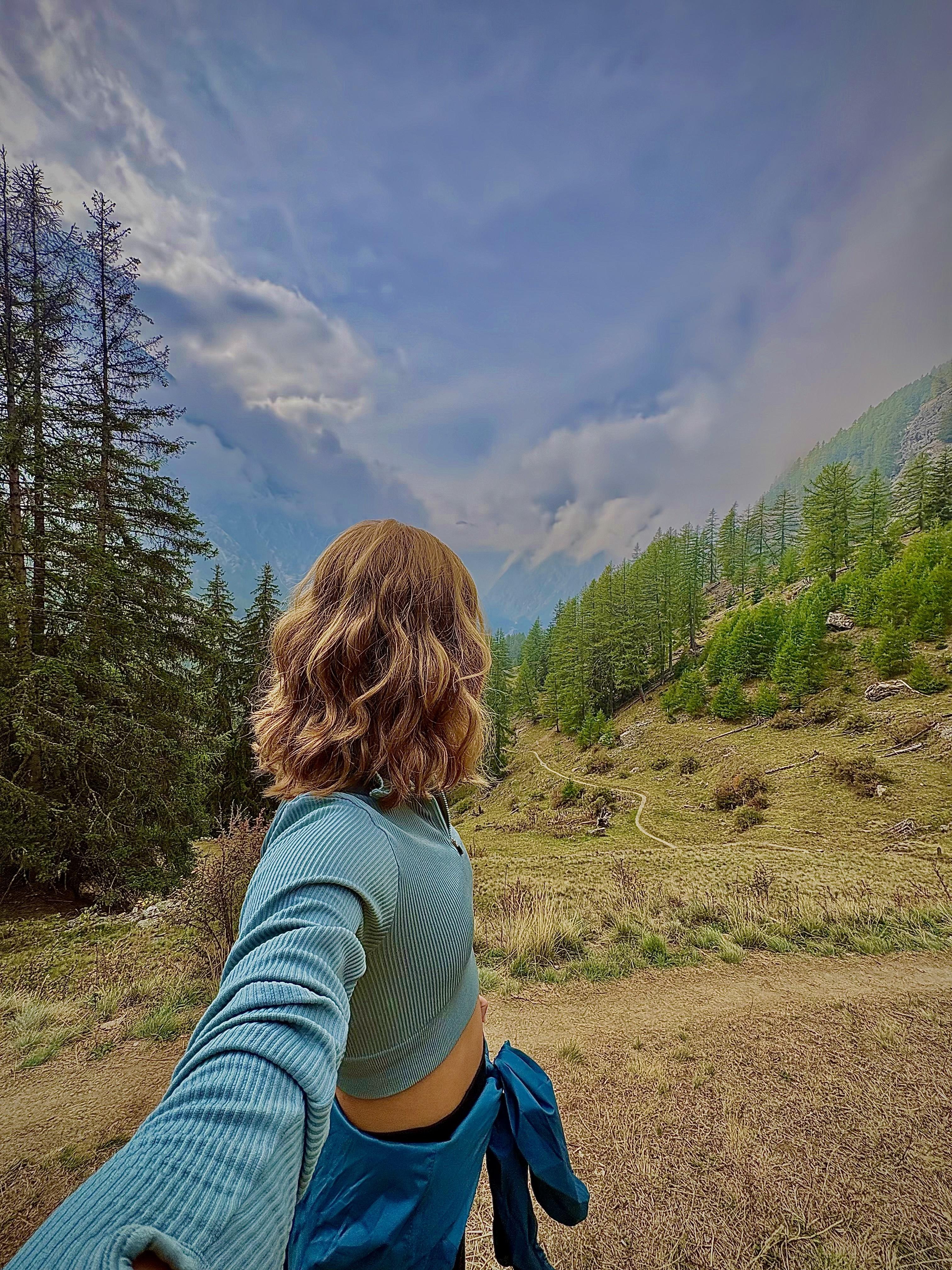
During our hike, we went from relatively warm conditions lower in the valley to freezing temperatures, clouds, mist and exposed rock higher on the mountain.
Living in a place like this means that something as simple as transportation, shopping or moving between towns can depend much more on geography and weather than it does in a city.
What interested me most is that people have built their lives around the mountains instead of trying to separate themselves from them.
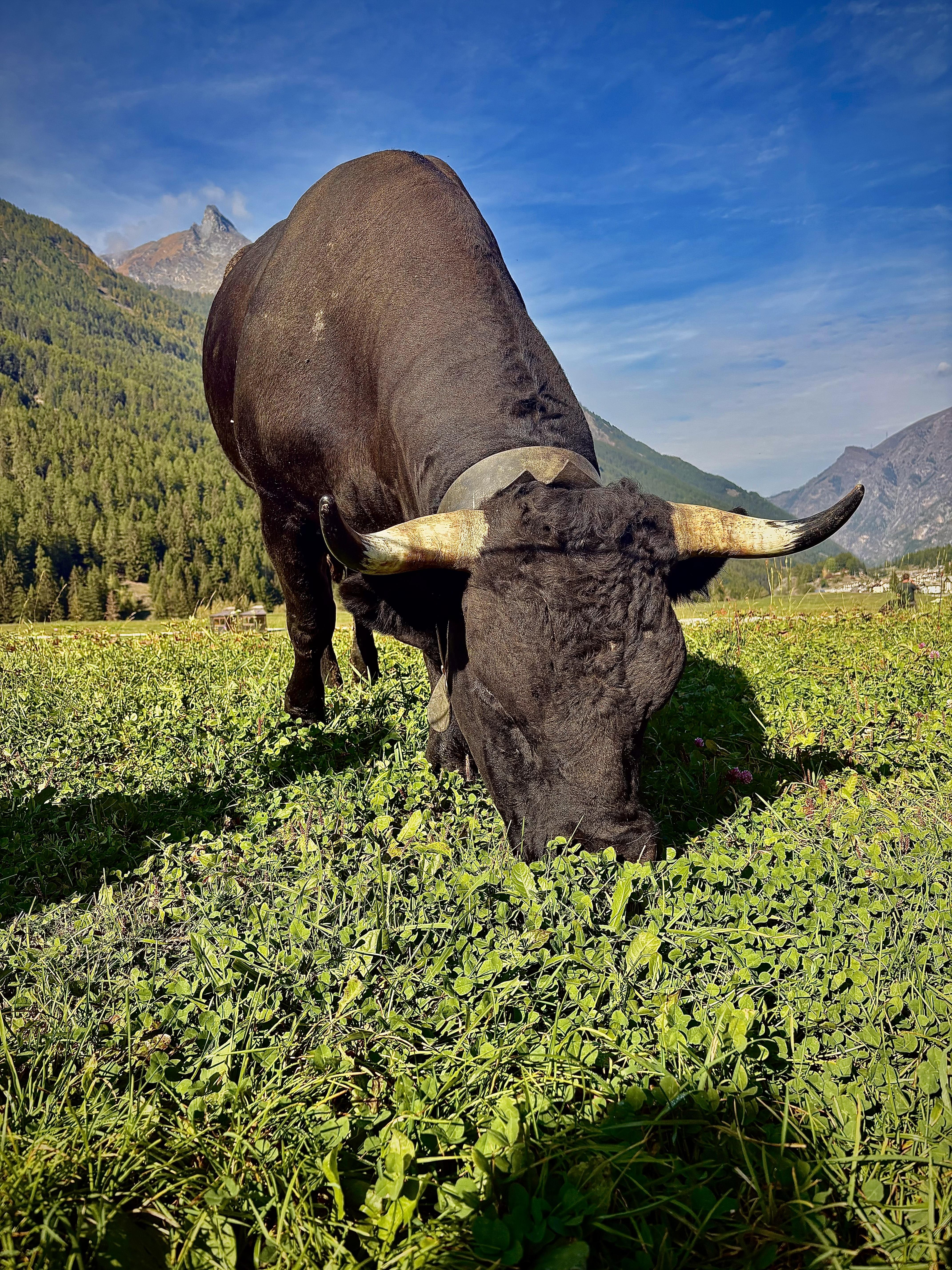
Agriculture is one example. Livestock can graze on mountain pastures, while foods such as cheese, yogurt and cured meats make use of what those animals provide. These foods also make sense in an environment where preserving food would historically have been important.
The villages themselves also reflect mountain life. Buildings are close together, many have thick stone roofs, and fountains provide water throughout the town. In Cogne, we saw one fountain that had been there since the 1800's and was still part of the village today.
Tourism is another major way people have adapted. Summer hiking and winter skiing bring visitors, while fall becomes a quieter in-between season. Businesses, transportation, rifugi and shops adjust to those busy and slow periods.
What I found most interesting is that almost everything seemed connected back to the mountains.