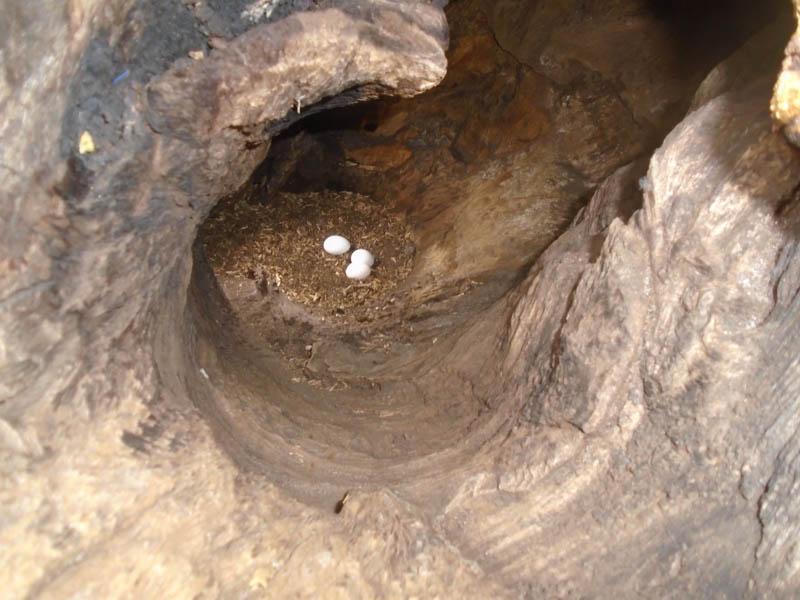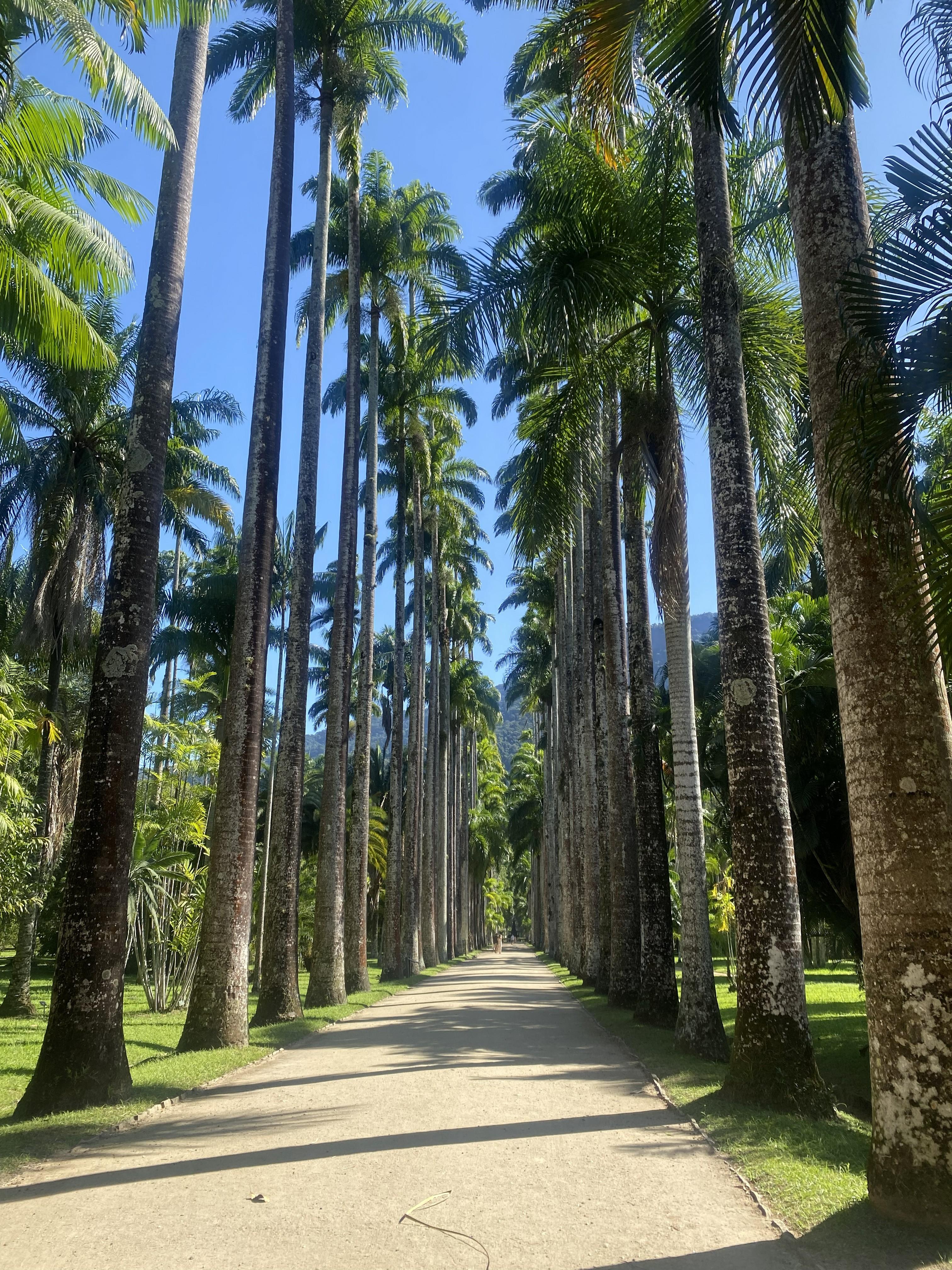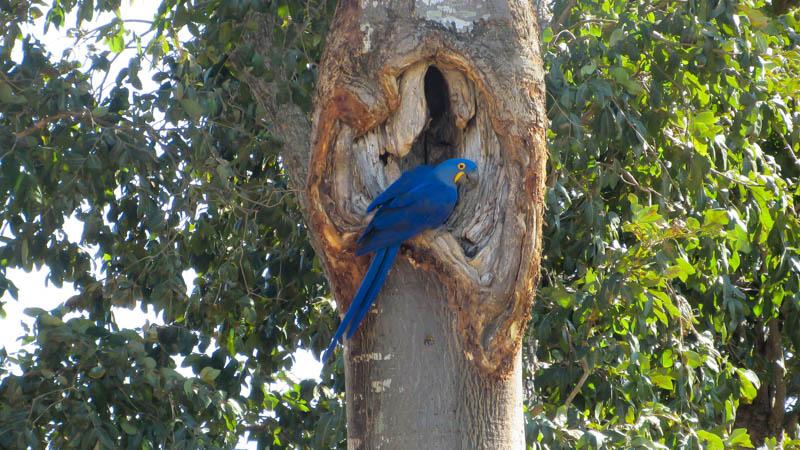
According to experts, Blue and Yellow Macaws use the trunks of dead palm trees as their primary nesting sites. Without these nesting cities in wooded areas and in cities, macaw populations will suffer. While macaws can adapt to city locations, they are dependent on wooded and green spaces to maintain a healthy population. They also return to this same nest for years, which is another reason why deforestation is such a threat to macaws.
Some species of macaws are endangered, like the Hyacinth Macaw. The Red and Green Macaw, and the Blue and Yellow Macaw are not considered endangered. However, the Red and Green Macaw’s beauty puts it at great risk for illegal capture and trade. Other threats include the birds being hunted for their feathers, and the habitat loss caused by deforestation and environmental degradation. Blue and Yellow Macaws are seen in more city-like environments, and so they also face threats like noise pollution, electric shock from power lines, domestic animals, and conflict with human beings like cars and buildings in addition to illegal trafficking and habitat loss. Increased monitoring efforts in cities and within wildlife populations will help better determine the threats macaws face and how we can combat them.