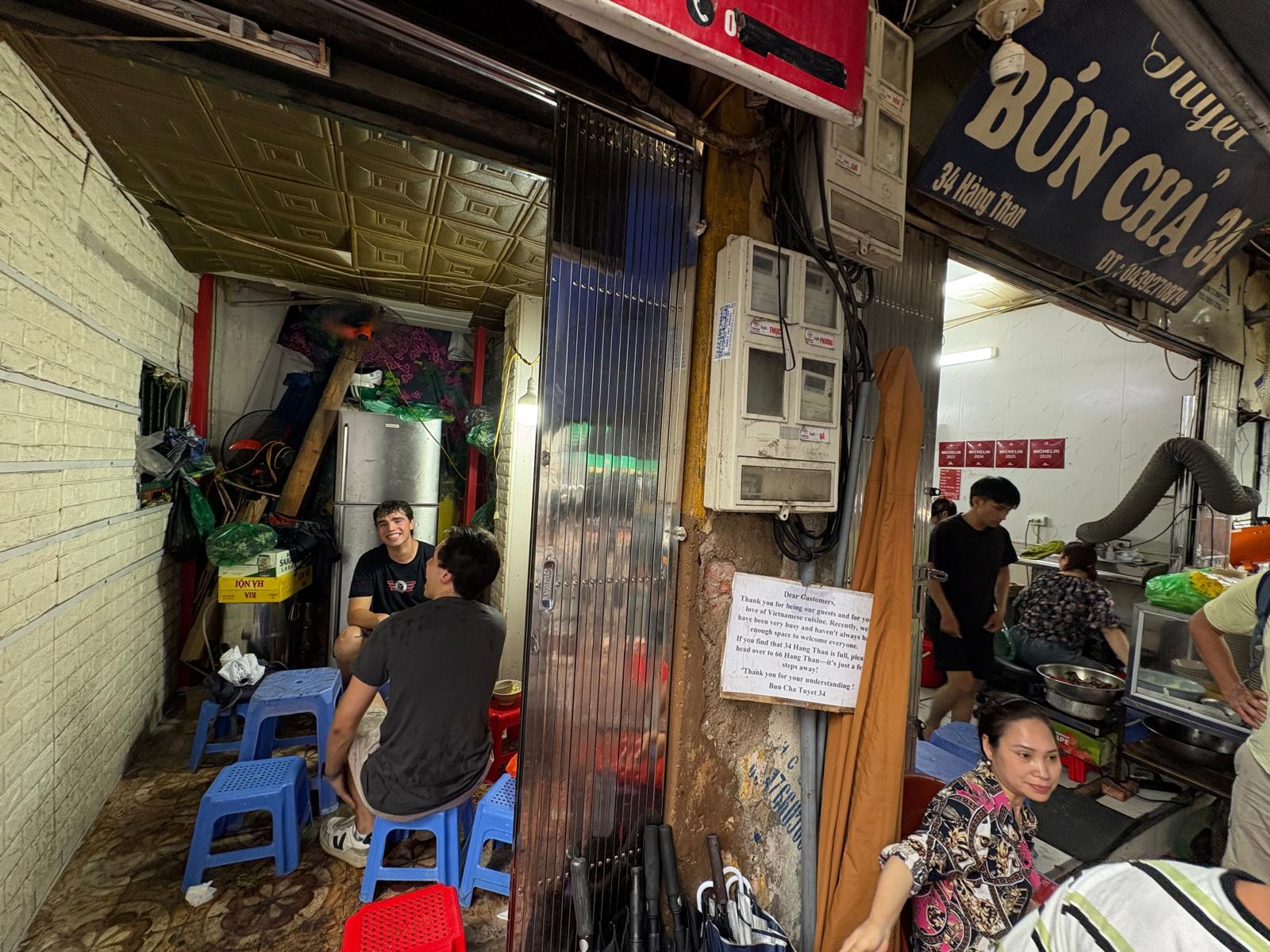
Two minutes later, she placed the meat, vegetables, noodles and drinks on that tray, and I had my favorite bún chả in all of Hanoi right there in that closet!
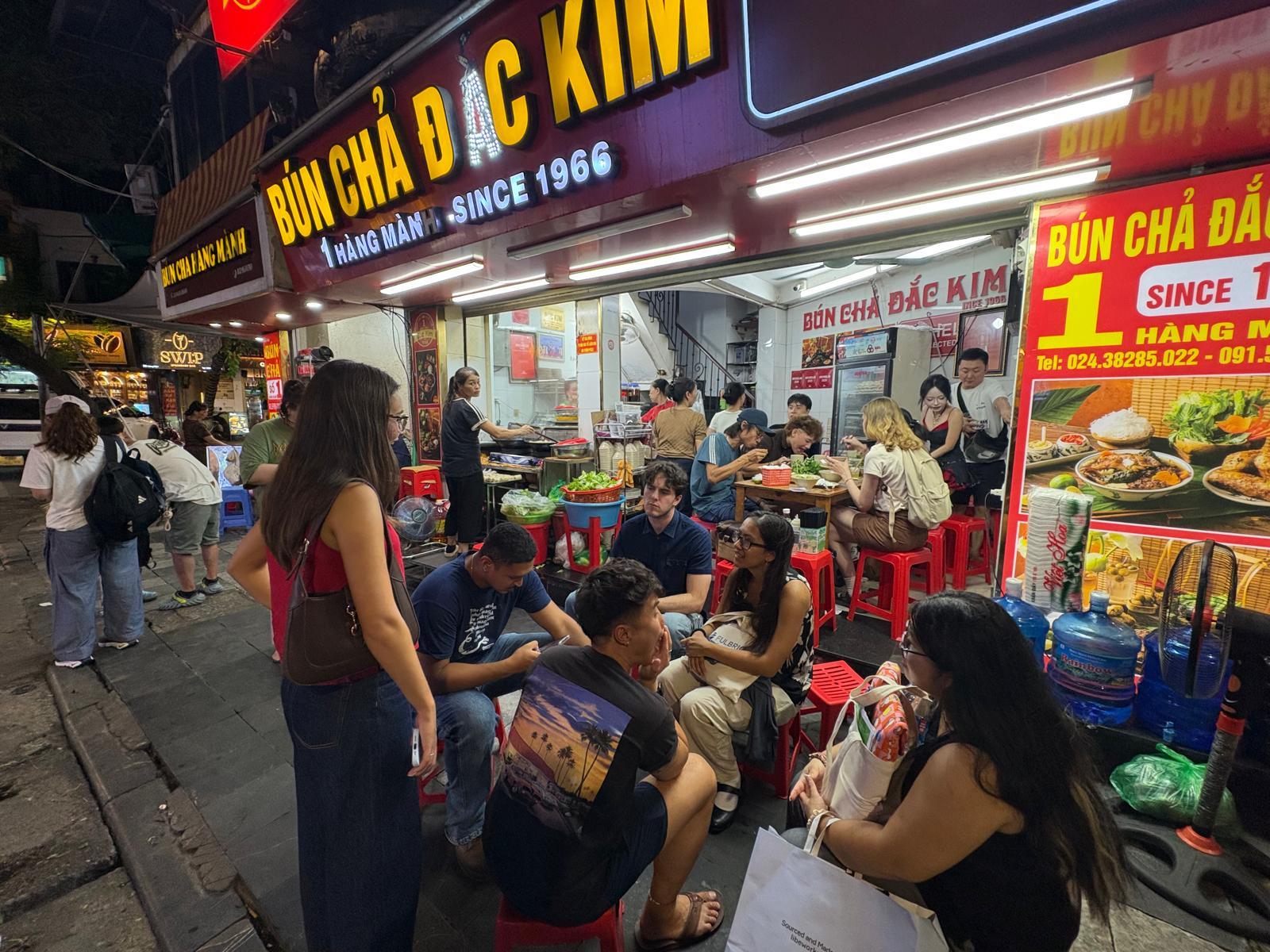
This type of restaurant culture and cooking method connects bún chả to the urban, communal atmosphere of Hanoi. The meat grilled on the metal grates sits at the open front of each restaurant, inviting locals to sit inside and share a lunchtime meal as they are biking by. Each spot is either covered in parked motorcycles and small plastic stools overflowing into the street, or down a long, winding alleyway leading to an open room with two or three long tables with eight of the same exact meals being consumed by strangers squished in with each other. In Vietnam, the people do not have time to hide behind service and reputations or entertain pretension like in the US. Instead of creating a fancy menu and decorating the restaurant with bells and whistles, they focus on serving the best food with fast service to feed everyone that comes in. Anyways, they can always decorate with their Michelin awards.
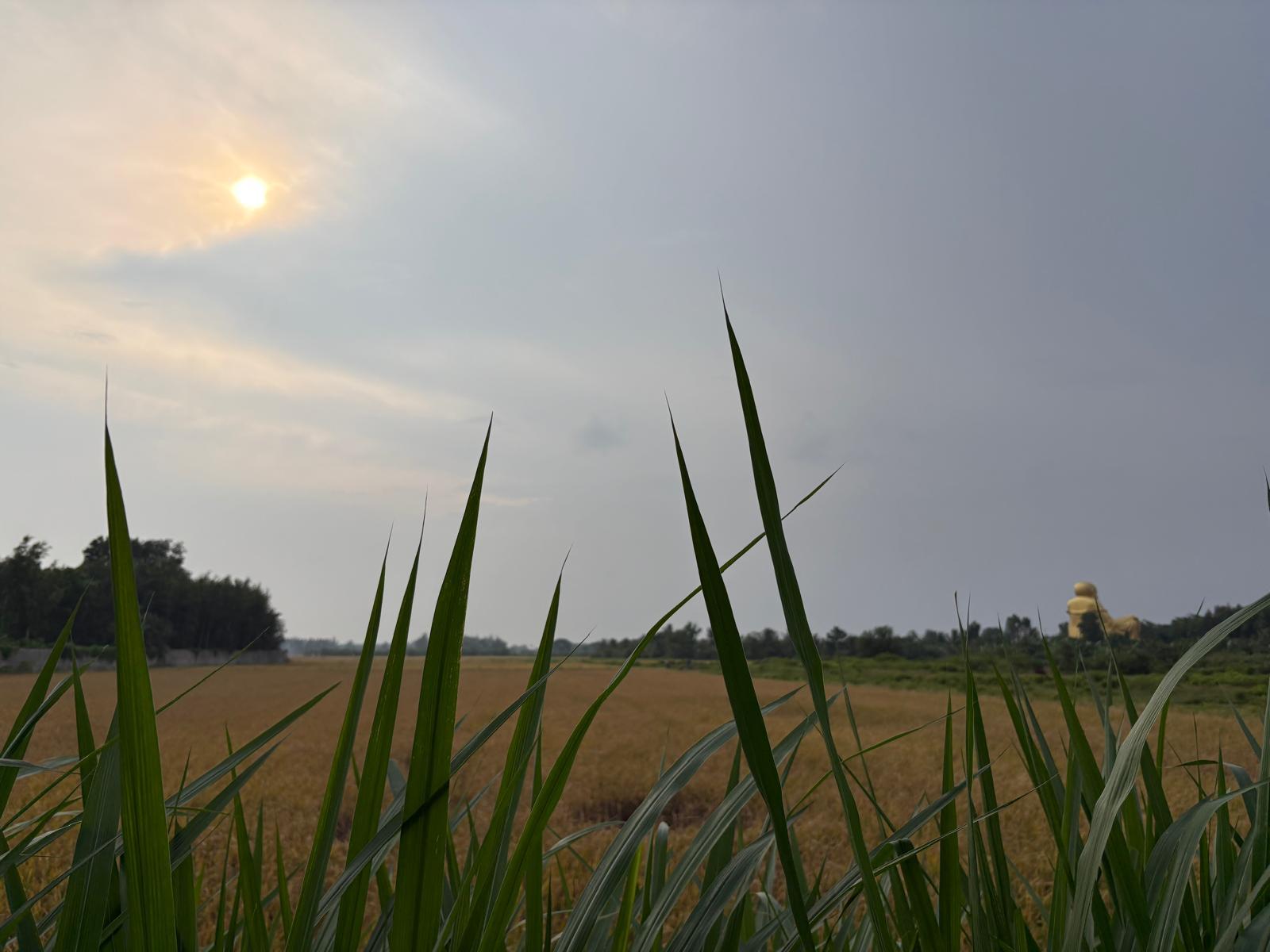
As with every food in Vietnam, bún chả is culturally and geographically intertwined with the environment around it. Aside from the cultural connection, the ingredients are, of course, inherently Vietnamese. The side vegetables come from the river deltas around Hanoi, and the rice vermicelli noodles are the foundational ingredient to Vietnamese cuisine and overall agriculture.