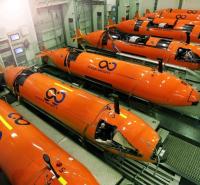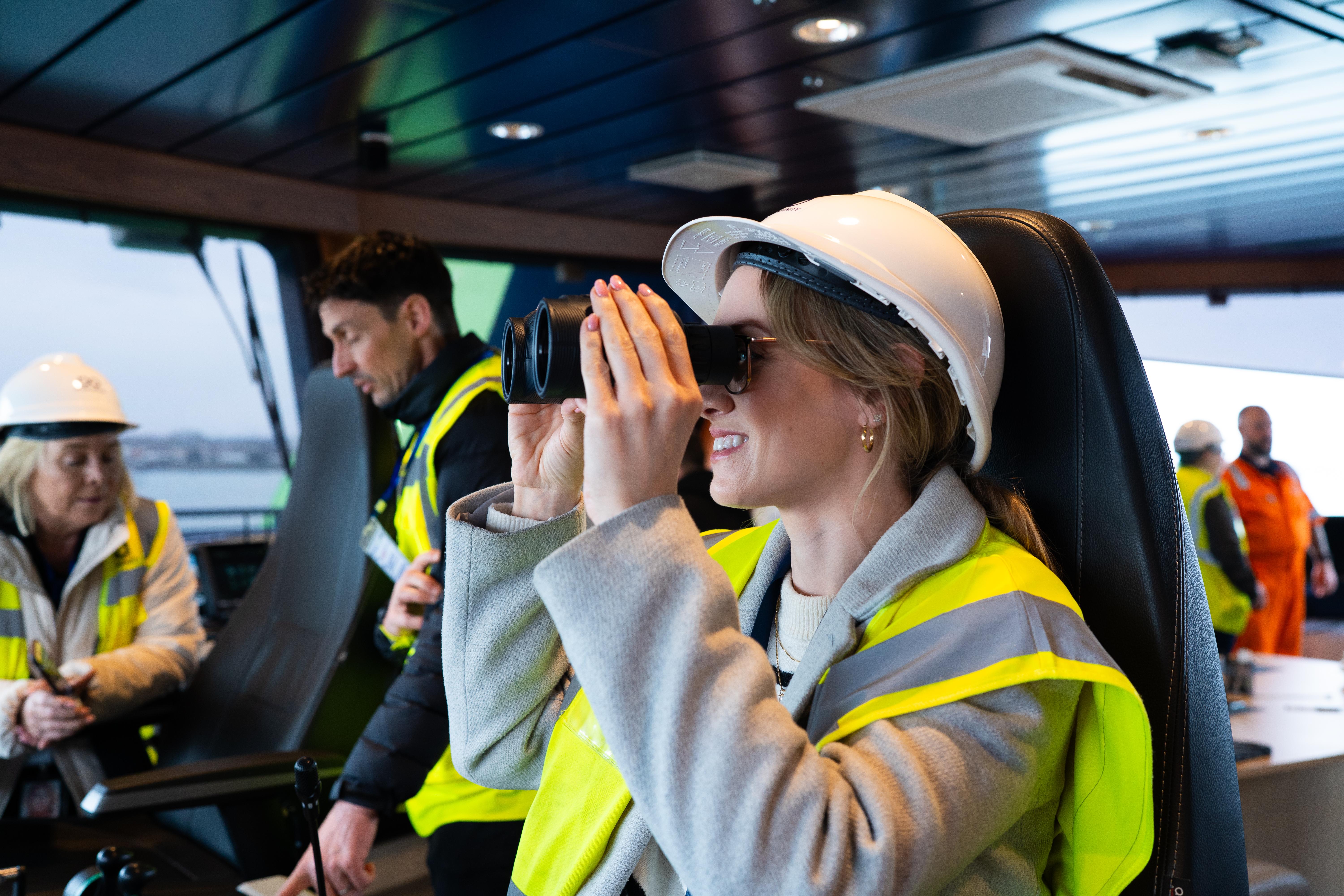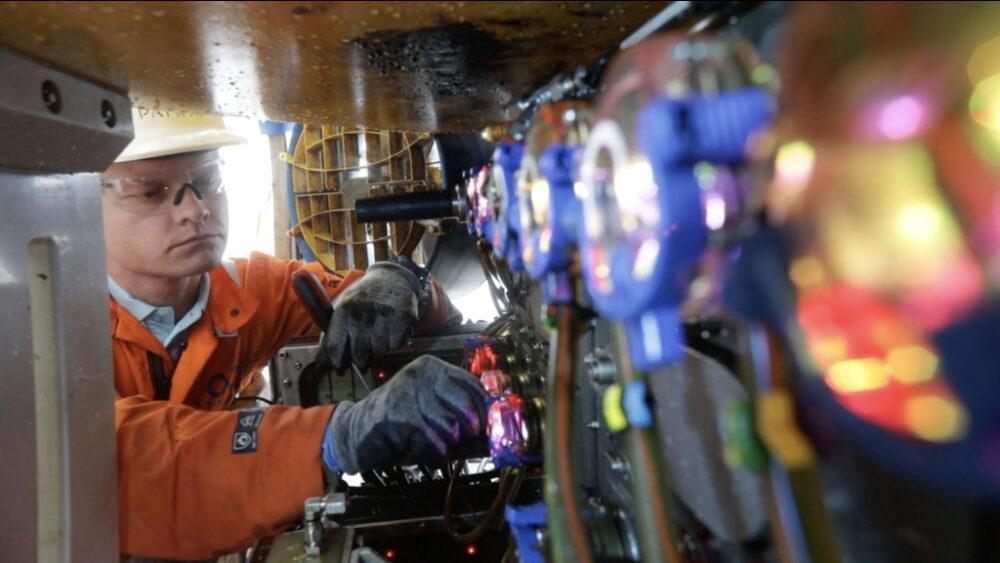
You’ve explored what happens beneath the waves when we search for lost vessels, map the seafloor, and investigate places humans can’t reach. You’ve seen how technology helps us ask better questions--and how problem‑solving, patience and imagination help us find answers. And through our livestreams, you met real people doing this work every day--people who once sat in classrooms just like yours.
One of the most important things I hope you take away from this experience is that there is no single path into a career in science, technology, engineering or mathematics. Many of the people you’ve met didn’t grow up knowing they’d work with underwater robots or deep‑sea data. Some loved math. Some loved storytelling. Some enjoyed fixing things. Others were simply curious about the world and wanted to understand how it works. What connects them isn’t one subject or skill. It’s curiosity and the courage to keep asking “what if?”
The ocean still holds more questions than answers. That’s what makes it exciting. And it’s why the next generation of explorers, engineers, scientists, designers and problem‑solvers matters so much. The challenges of the future (protecting our planet, understanding climate, using technology responsibly) will need people who can work together, think creatively, and see the bigger picture.
So, as this chapter ends, I want to say this: your journey doesn’t stop here. Whether your future takes you into science, engineering, technology--or somewhere completely unexpected--the skills you’ve practiced here matter. Curiosity. Collaboration. Resilience. Wonder.
The orchestra is always changing. New players join. New instruments are added. And new music is written.