These crops show that a place does not need to look green and grassy for people to grow food there.
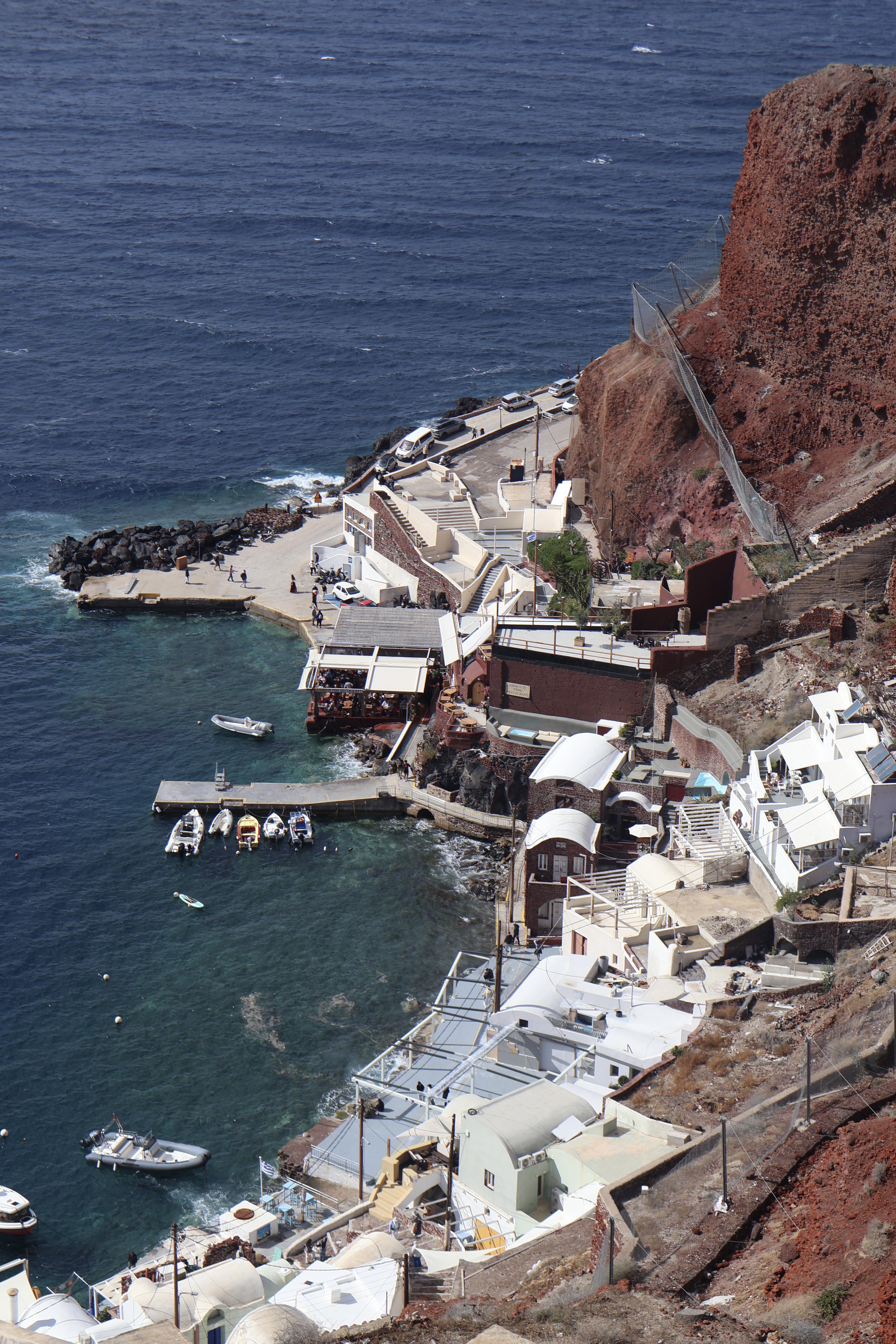
The landscape also attracts visitors. People travel to Santorini to see its cliffs, villages and volcanic scenery. Those visitors create opportunities for people to earn money through places such as hotels, restaurants, shops and boat tours. The environment shapes both what people grow and the work they do.
Being surrounded by seawater does not mean there is plenty of water to drink! Santorini receives little rain, and residents, farms and visitors all need fresh water. Providing enough becomes especially challenging during the busy summer months.
The steep landscape can make moving around difficult, too. A staircase that looks beautiful in a photograph can be hard work for someone carrying shopping or someone who has trouble walking.
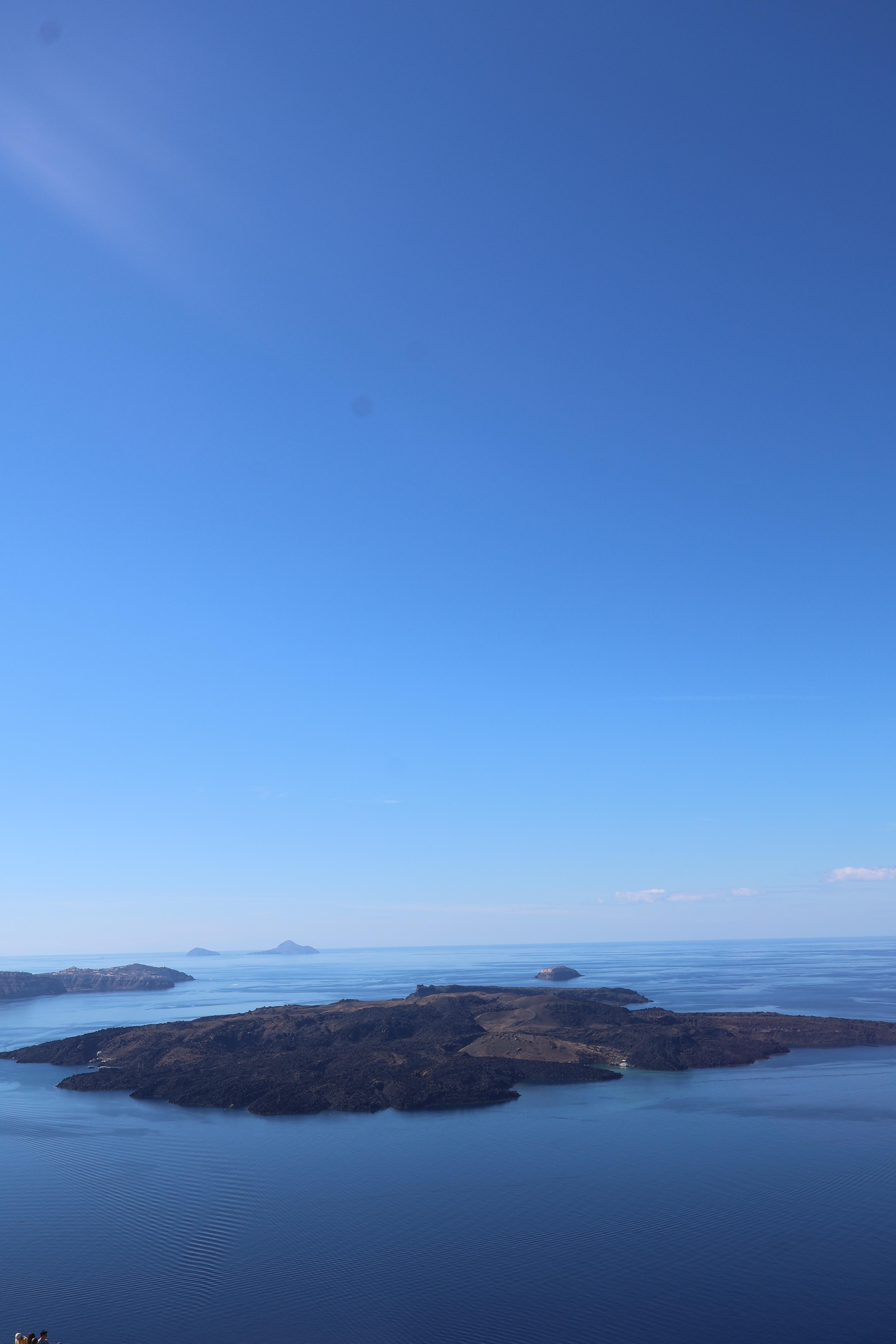
Living on an island also means planning journeys across water. Visiting another island or the mainland requires a boat or plane rather than simply driving along a road. Geography affects how people reach places beyond their community.
Farmers have developed a clever way to protect their grapes. They train grapevines into low, rounded shapes that look like woven baskets. The grapes grow inside these shapes, which help shelter them from strong winds and sunlight. Imagine giving a plant its own protective basket!
People have also developed ways to increase the supply of fresh water. Santorini uses a process called desalination, which removes salt from seawater so the water can be used.