There are governmental and non-governmental efforts to stop these tree-depleting practices.
Because of the heat, society has an arranged social calendar that revolves around the cool times of the day, which is after dark and before the sun comes up. Most gatherings and social events don't start until 10 pm! People get up early before work and school to do the household chores, too.
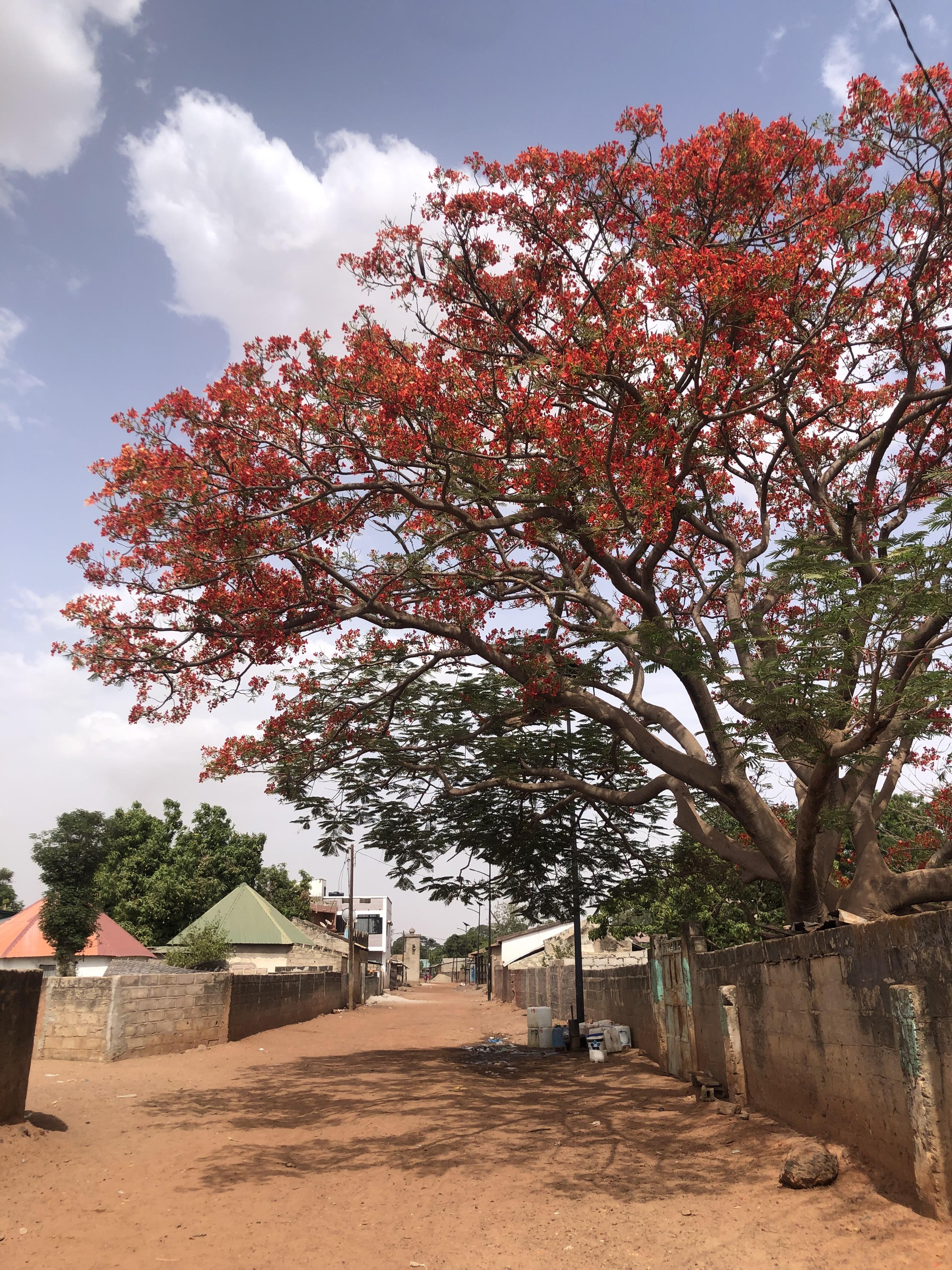
People build their family compounds around a large tree, usually a mango tree, which offers a shady, breezy refuge from the oppressive sun.
Of course, farming what grows well in the area is a big part of how people have adapted to the land. Peanuts, rice, millet, mango trees and okra all grow really well here in the heat. Folks also grow other items, but they require a lot of care and watering, so items like vegetables and other fruits like bananas and watermelons do grow here, but are not planted and cared for as much. People tend to eat dishes that are composed of only those items because of the plentiful items.
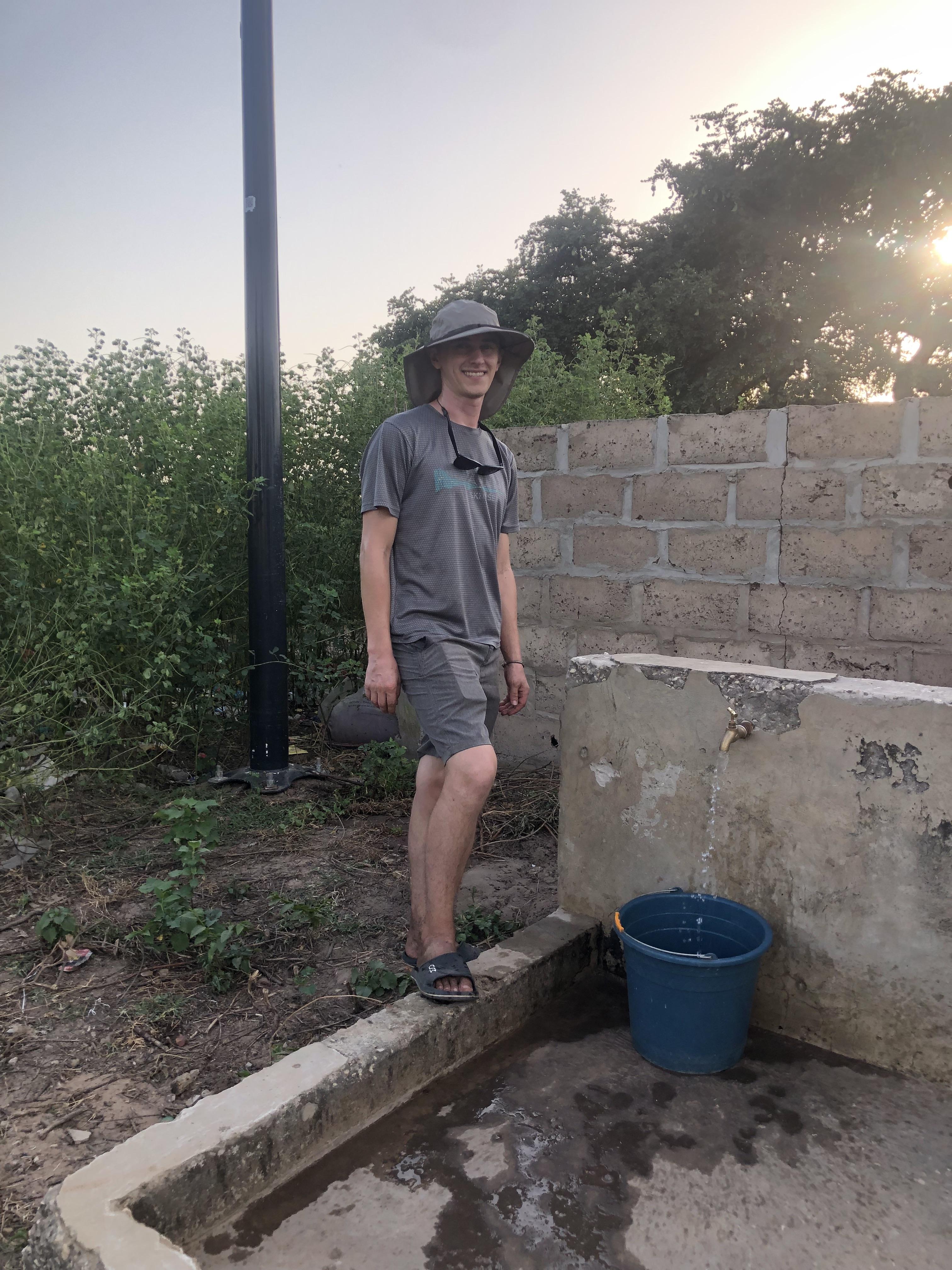
Wells are dug in nearly every family compound, giving access to water, as we do not live next to a reliable water source, though we are about a mile away from a tributary and about ten miles from the Gambian River.
The contents of this blog post are mine personally and do not reflect any position of the U.S. Government or the Peace Corps.