I have loved the emphasis on coffee here, and though many visitors are not accustomed to the bitter taste, I have certainly been enjoying many afternoon espressos.
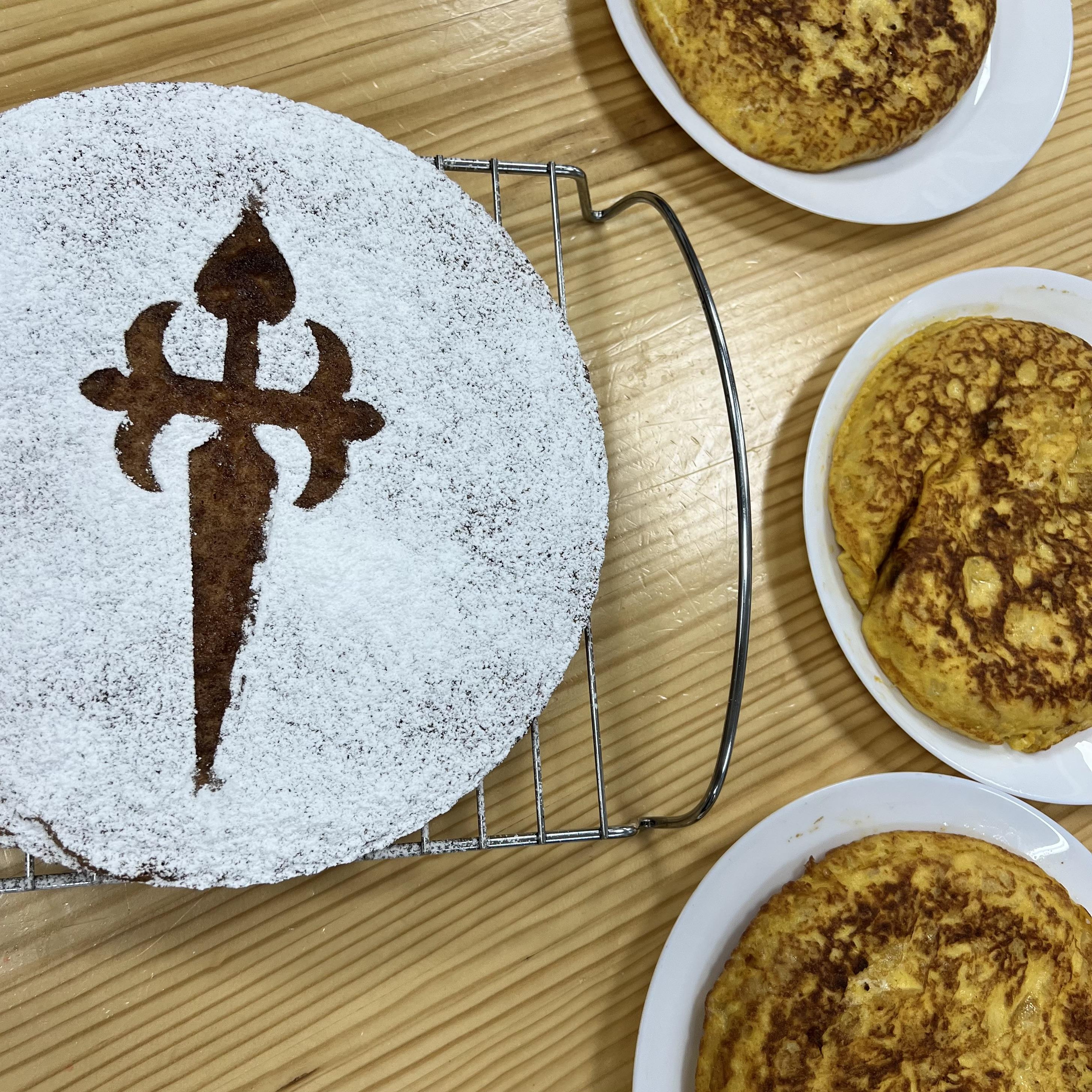
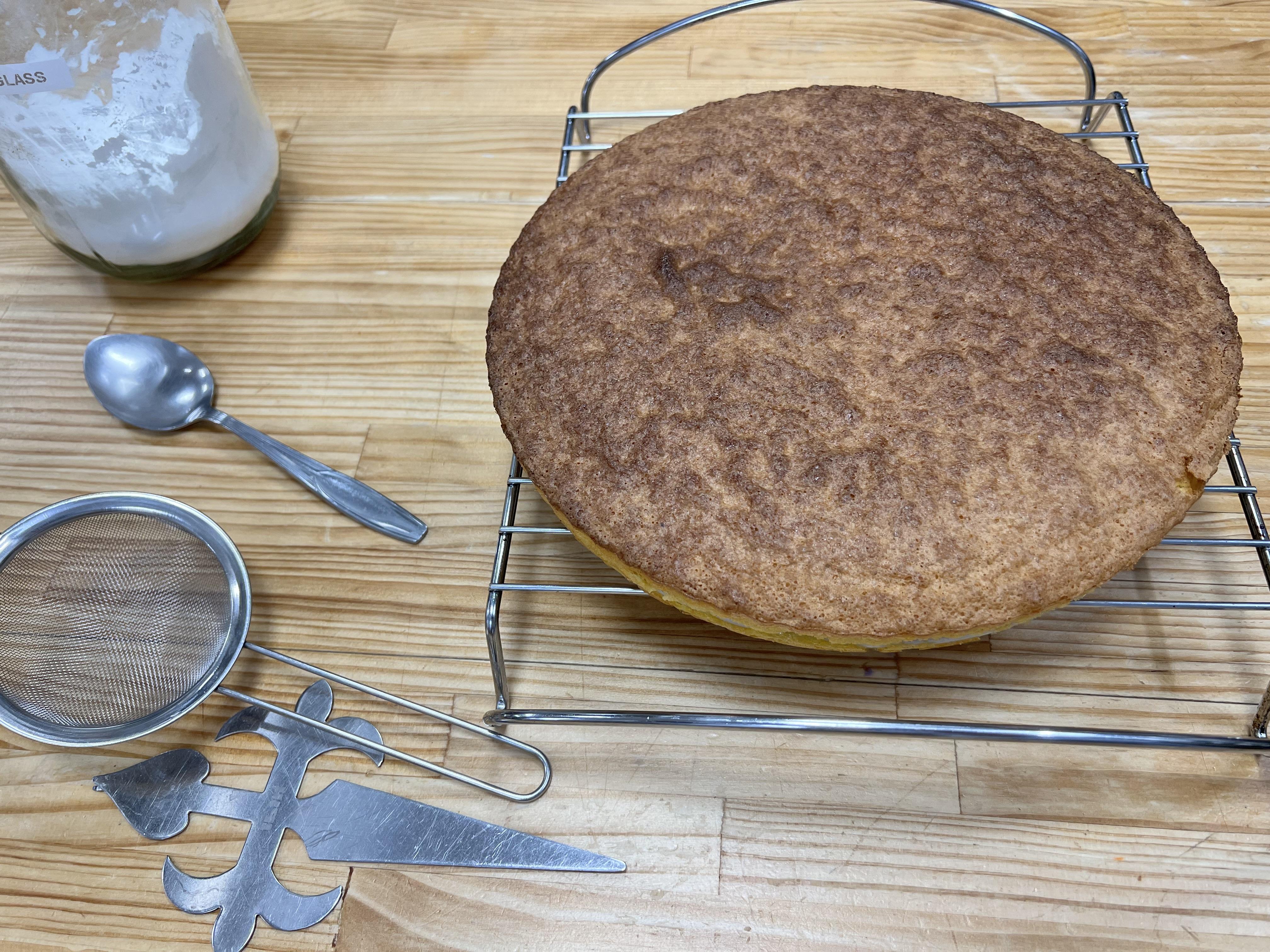
I had the opportunity to participate in a cooking class in Madrid, Spain, where we prepared a variety of traditional dishes. Paella is cooked in a large pan called a paellera, and served family-style. Paella's star ingredient is saffron, or azafrán, a spice that is harvested by hand. Spanish tortilla is cooked in a skillet and flipped three times using a special plate technique! The Tarta de Santiago calls for three basic ingredients (sugar, almonds and eggs), before being covered in powdered sugar after baking.
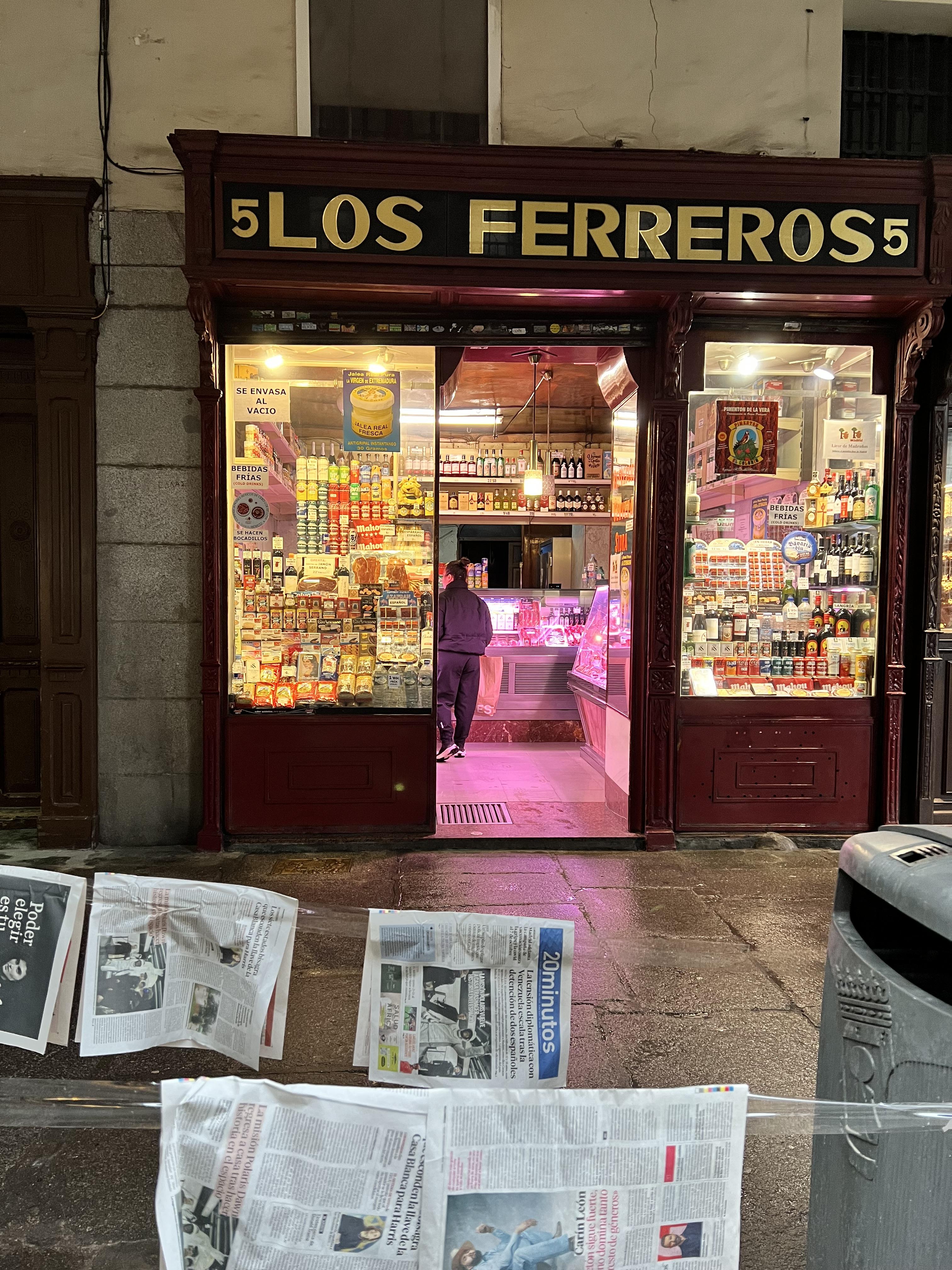
The cuisine in Spain varies greatly based on the region. Different cities have local dishes that highlight resources or delicacies from the surrounding area. While coastal areas including Valencia are praised for their seafood paella, the mountainous Asturias enjoy fabada, made from white beans. Jamón ibérico, or which translates to "Iberian ham", is a special meat very popular here due to the tradition of curing meats and breeding special types of pigs to do so. Torrone is an almond-based sweet treat, as Spain is the second-highest producer of almonds in the world.