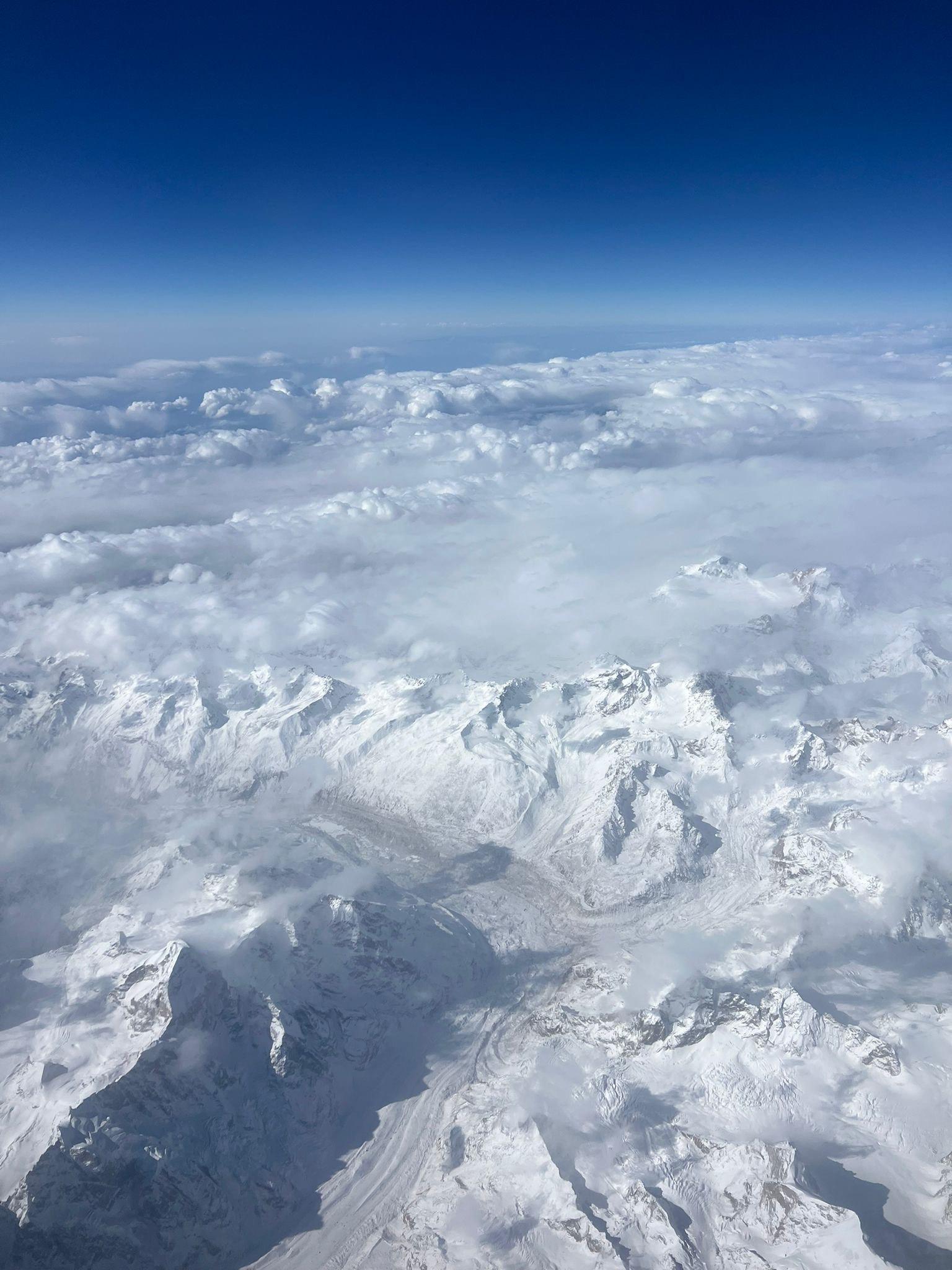
Meanwhile, the town of Leh, far in the Himalayas, is a totally different experience, and the hustle of the city is replaced by the wide open expanses of the desert mountains. Expedition members in Ladakh use a mix of modern and traditional transportation. For longer distances between towns, sturdy four-wheel-drive vehicles are essential. These vehicles are built to handle rocky roads, steep climbs, and sudden snowstorms. Even then, trips can be slow and bumpy, sometimes taking hours to travel just a few miles.
Once teams reach remote areas, walking becomes the main way to get around. Hiking through narrow mountain trails allows expedition members to reach places where vehicles simply can’t go. In some cases, pack animals like horses or yaks are used to carry supplies such as food, camping gear, and scientific equipment.
There are no quick shortcuts here. Every movement requires effort, patience, and teamwork. Expedition members often rely on local guides who know the safest routes and understand how weather can change the landscape overnight. Transportation in Ladakh is less about convenience and more about cooperation with the environment.
At first, getting around in both Delhi and Ladakh can feel overwhelming in very different ways. In Delhi, everything moves fast. The traffic never seems to stop, horns are always honking, and people, buses, rickshaws, and cars flow together in every direction. It can feel like too much is happening all at once, and you might wonder how anyone keeps track of it all.
In Ladakh, the challenge is quieter but just as intense.