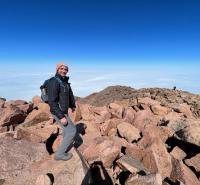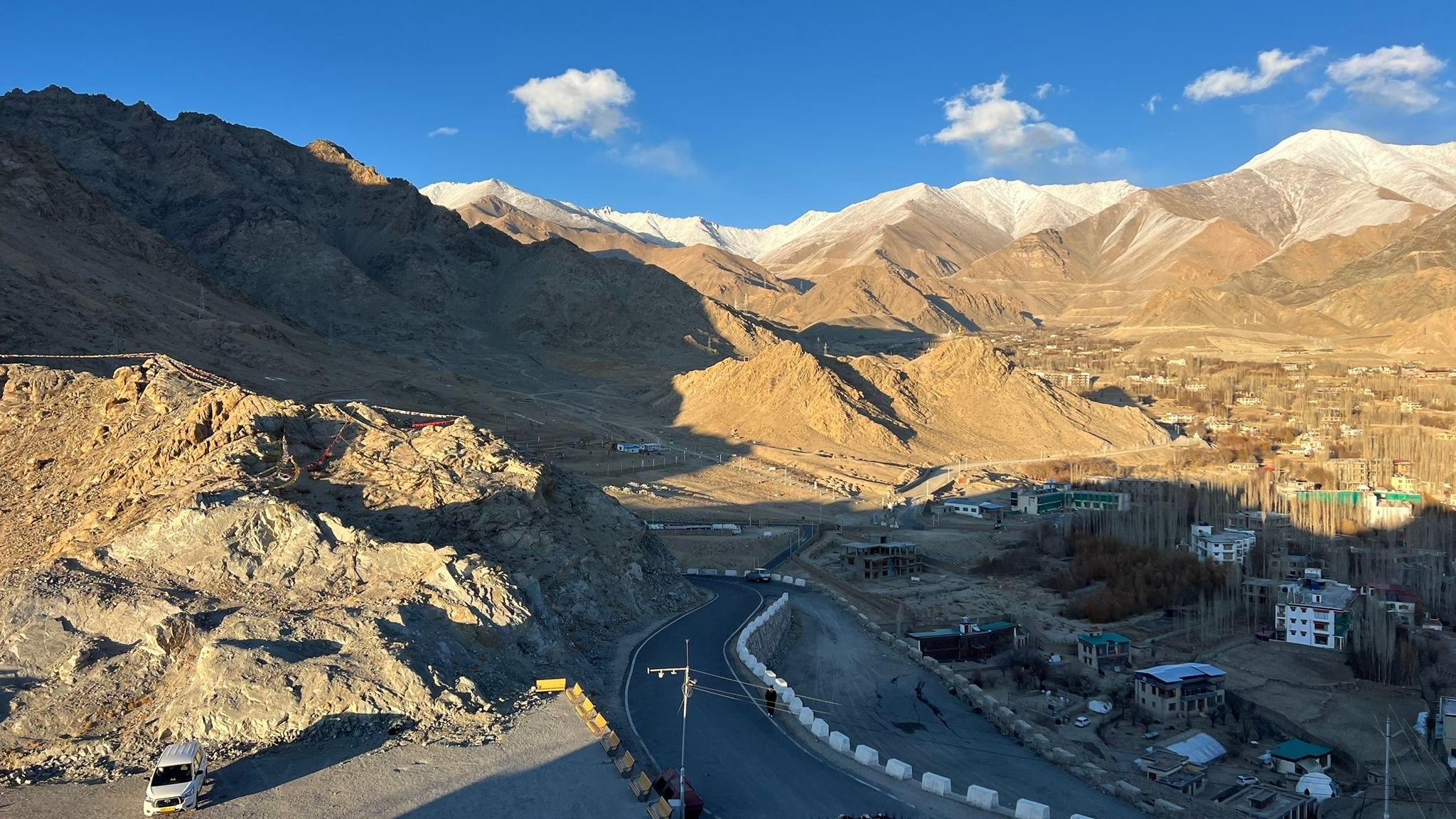
The roads are rough, the air is thin, and even walking short distances can leave you out of breath. Travel is slow, and the mountains make you feel very small. But once you settle in, something changes. You stop fighting the experience and start moving with it. You learn the rhythm of the city, or the pace of the mountains. You notice more, rely on your body and your instincts, and feel fully present in the moment. It’s tiring, yes, but it also makes you feel incredibly alive!
Transportation in both Delhi and Ladakh is closely shaped by culture and environment, even though the places couldn’t feel more different. In Delhi, space is limited and millions of people need to move every day. That’s why shared transportation like metros, buses, and rickshaws is so important. The city has grown over thousands of years, long before cars existed, so smaller vehicles and walking still make sense in crowded, historic neighborhoods.
Ladakh’s transportation reflects survival in a harsh natural environment. Mountains, snow, and thin air limit when and how people can travel. Roads must follow the land, not cut through it, and animals like yaks and horses are still useful because they’re adapted to the cold and altitude. Travel here depends on patience, preparation, and deep knowledge of the landscape.