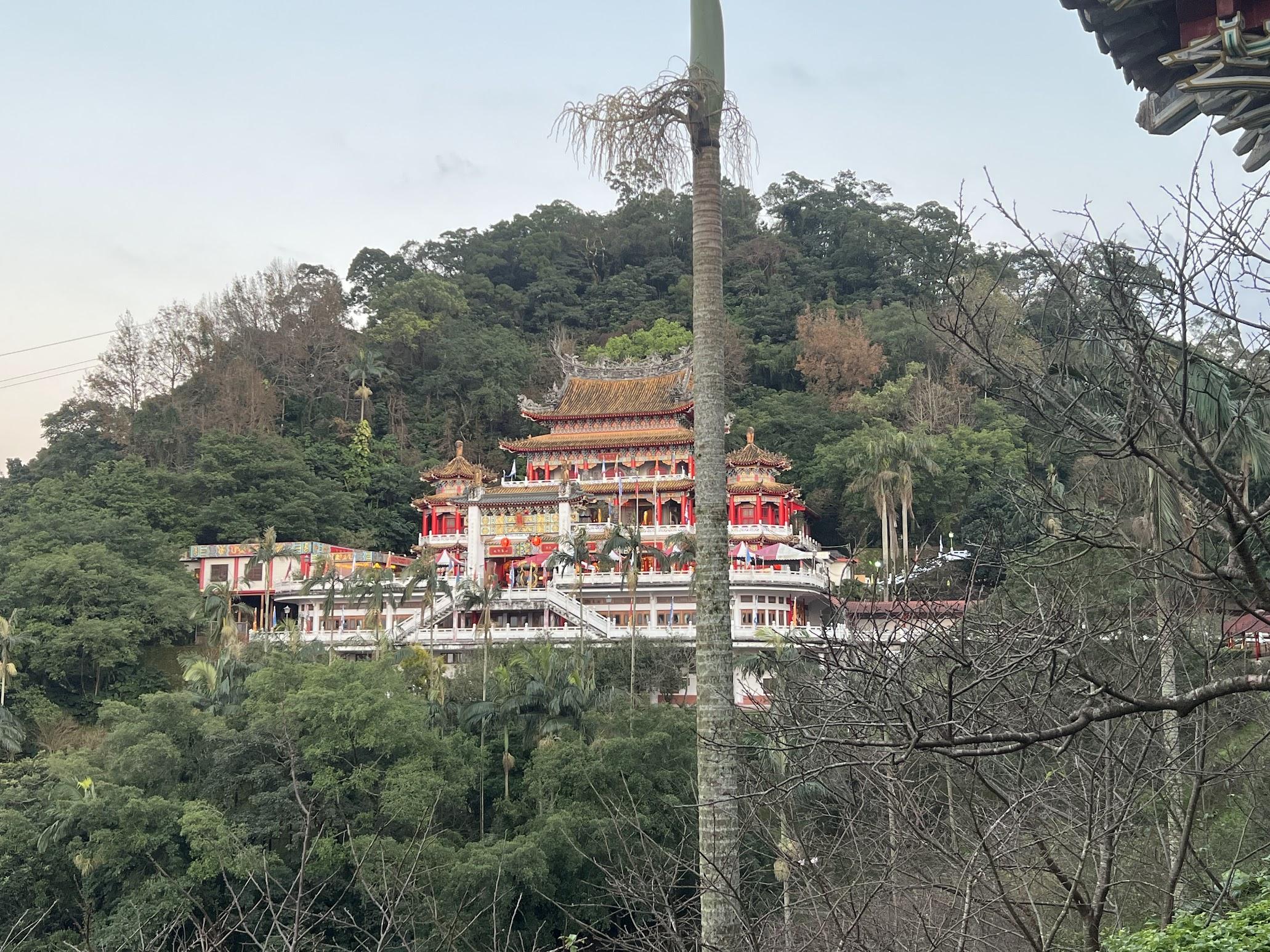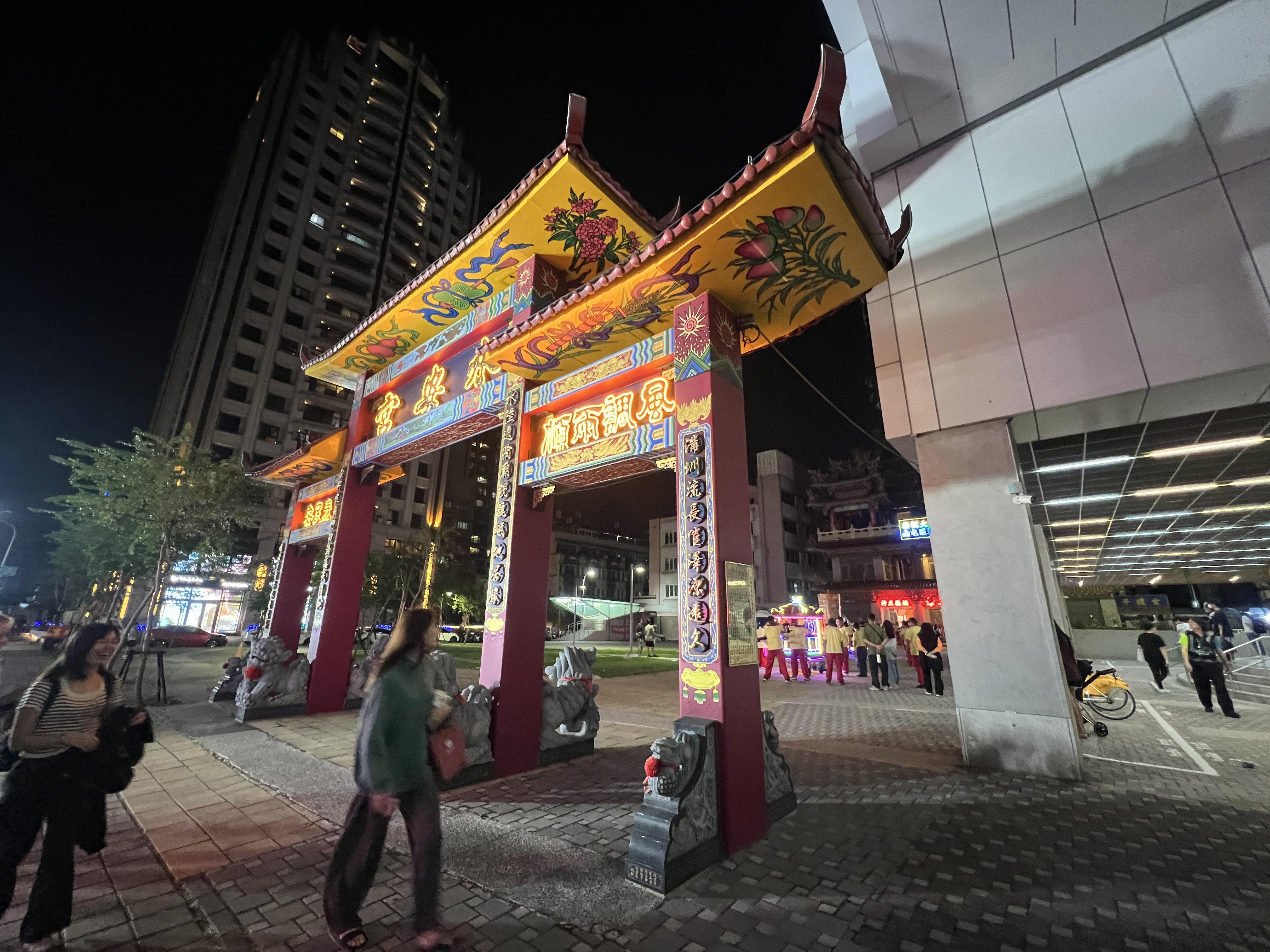
As people settled in one place, the temple became a religious and community center. The local marketplaces that sprung up around many temples signify the broader importance they have to many communities.
Most Han Chinese migrants to Taiwan came from southern China. The religious traditions and local gods they brought with them reflect this. Many Chinese folk religion gods in Taiwan are imported from communities in Fujian province, China. These temples are a connection to both many Taiwanese people’s family origins and to broader Han Chinese culture.
Taiwanese temples are deeply connected with the local environment. Drawing on Taoist and Chinese folk religion influences, many deities worshipped in Taiwanese temples are local and deeply tied to the surrounding nature. It’s common for Taiwanese cities to have at least one temple dedicated to the local guardian deity. Temples dedicated to a town’s predominant livelihood, such as a god for protecting sailors, are also common.
Religion and temples are a central part of Taiwanese culture and tradition. Hopefully, I’ve been able to give you some insight into what this rich tradition is like in Taiwan. Until next time, bye bye/拜拜 bàibài!