In fact, in a dark period of Scottish history named the Scottish Clearances in the 18th and 19th centuries, tens of thousands of native Highlanders were forced from their lands to be replaced by widespread sheep farming. As huge swathes of the Highland population were forced to emigrate to the coast, urban centers, and even North America, traditional Highland clan culture was destroyed. The Scottish Gaelic language, which was primarily spoken in the Highlands, also declined during this time. This process soley benefited the elite landowners, who profited from the burgenong sheep industry, while the evicted Highlanders were pushed into poverty. Thus, although the Scottish Highlands may seem like an untouched wilderness, this is largely an illusion; it is an ancestral home that has been cleared of its original inhabitants. The legacy of the Highland Clearances persists in the economic make up of Scotland today, as the country has one of the most concentrated patterns of land ownership in the world, with only 408 private individuals owning over half of Scotland's rural land. This is an astounding figure, and it means great swathes of Scotland's landscapes are controlled by private owners.
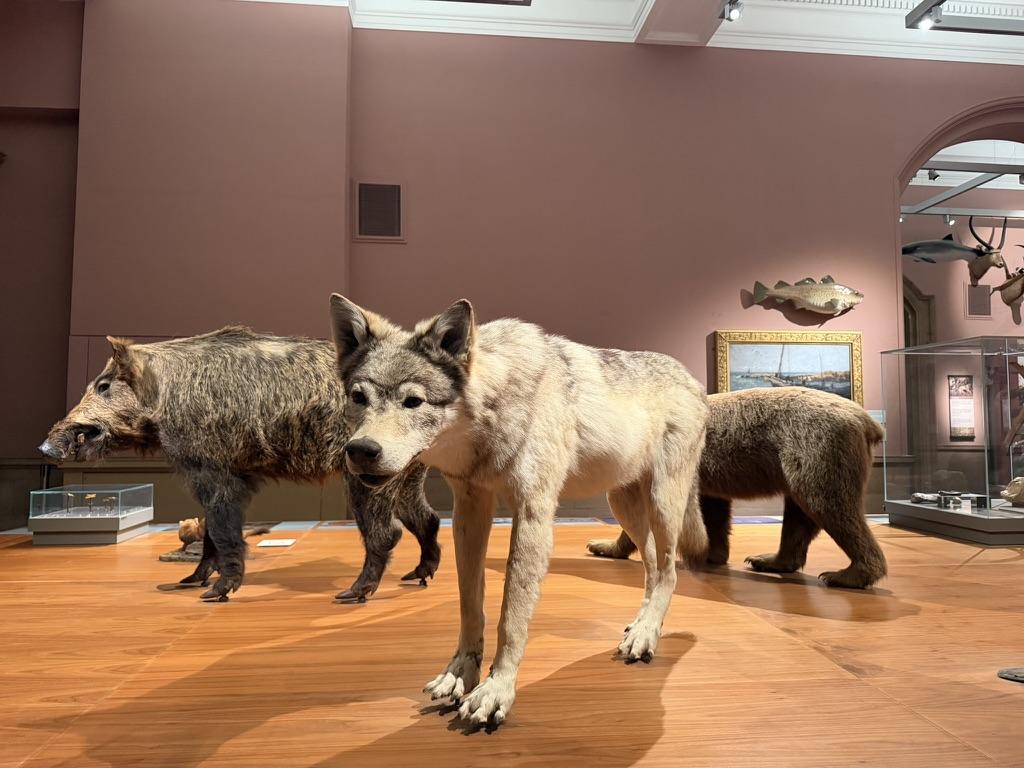
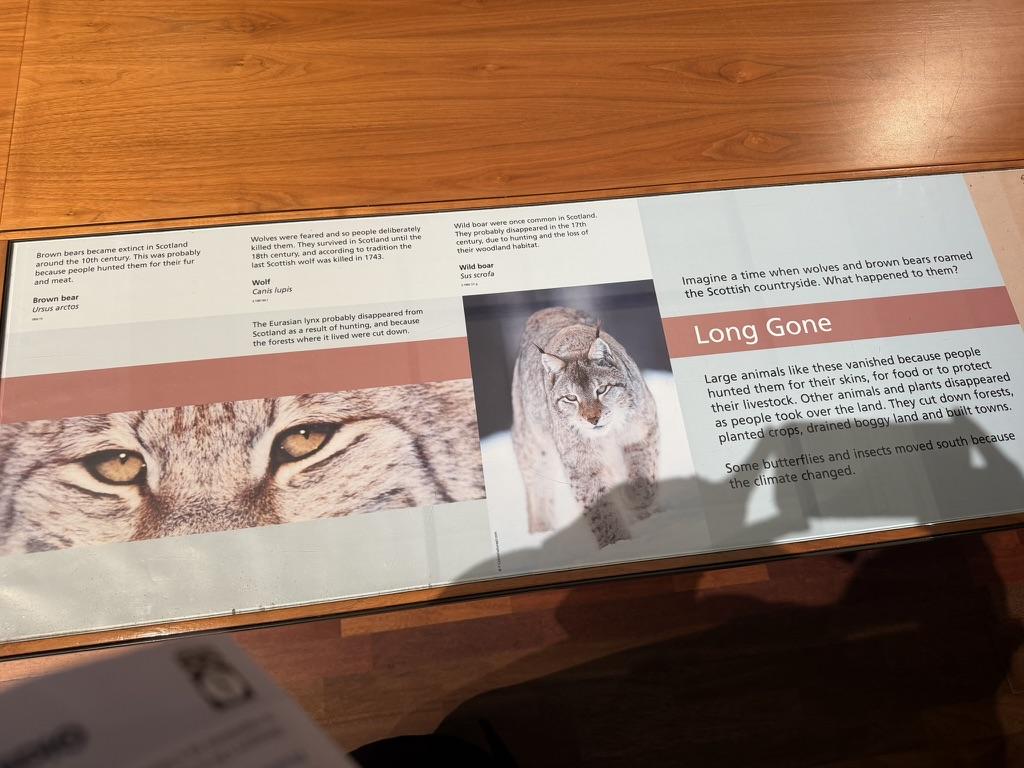
A huge part of what makes a landscape feel truly wild is the presence of wild animals. Although many animal species still persist in Scotland, such as deer, otters, seals and eagles, several species have gone extinct in Scotland. Wolves, brown bears, elk, lynx, wild boars and others have vanished from Scotland due to overhunting, habitat loss and the introduction of other species. It’s hard to imagine how different these places would be if bears and wolves still wandered freely!
But not all hope is lost.