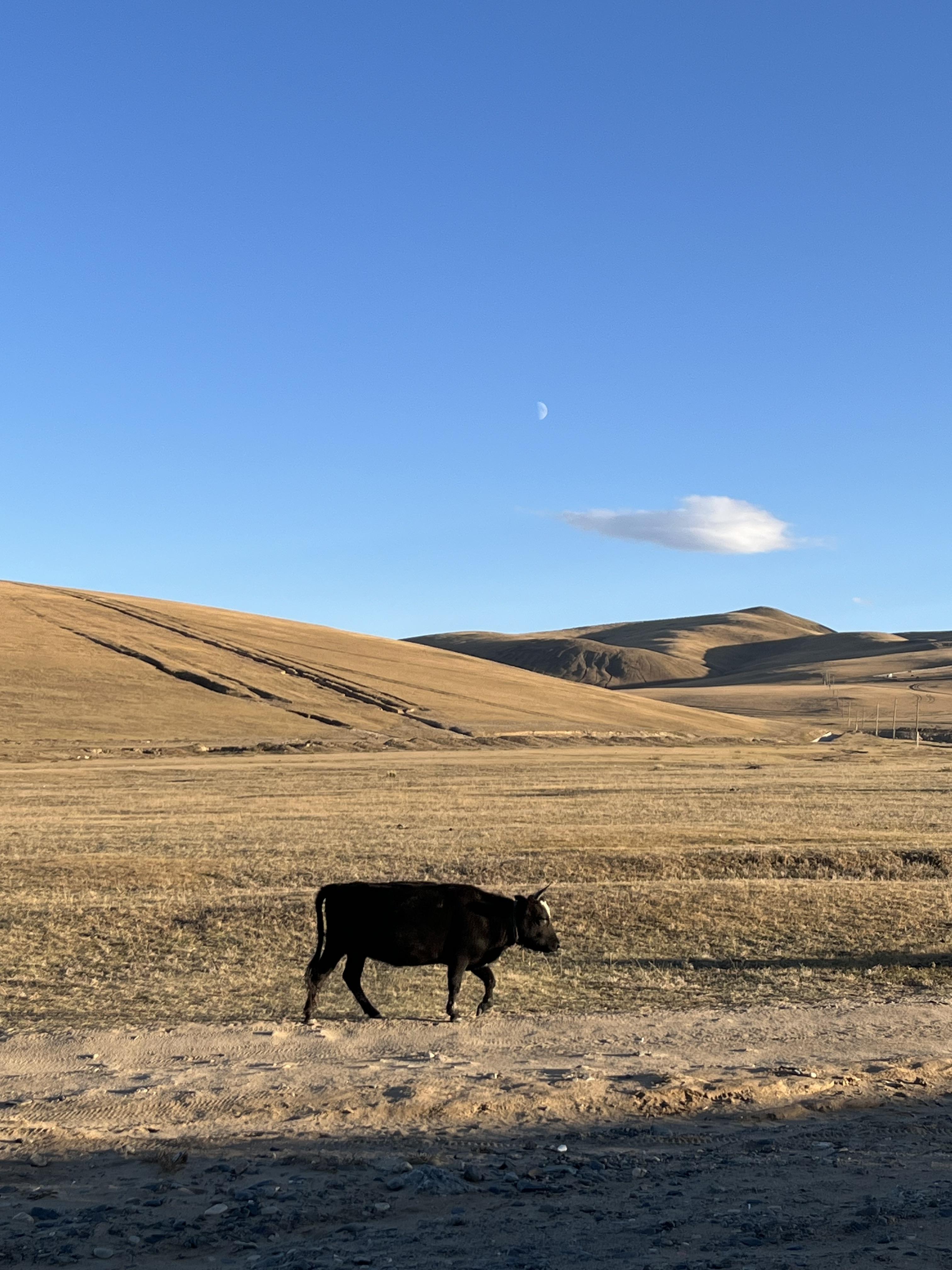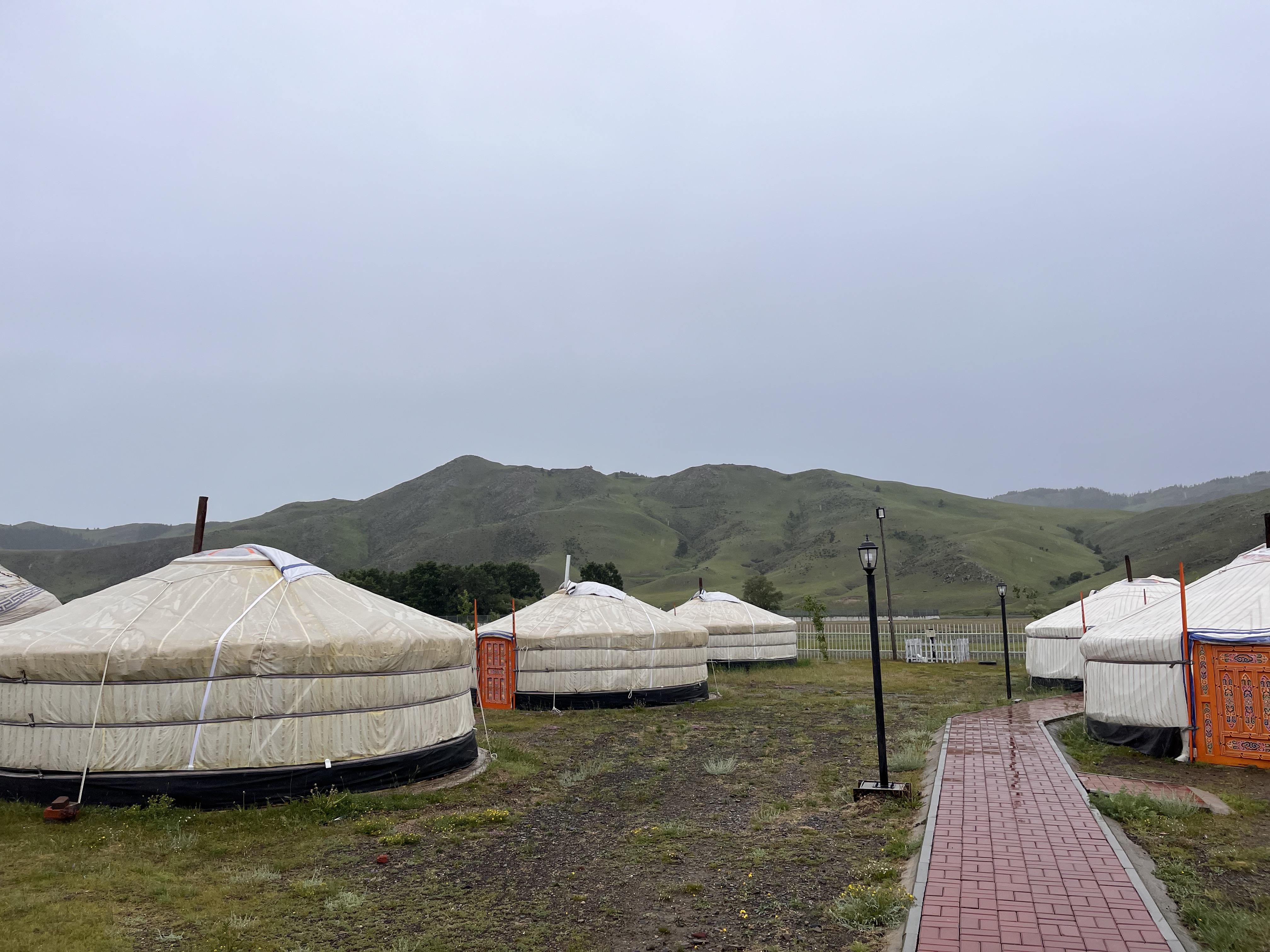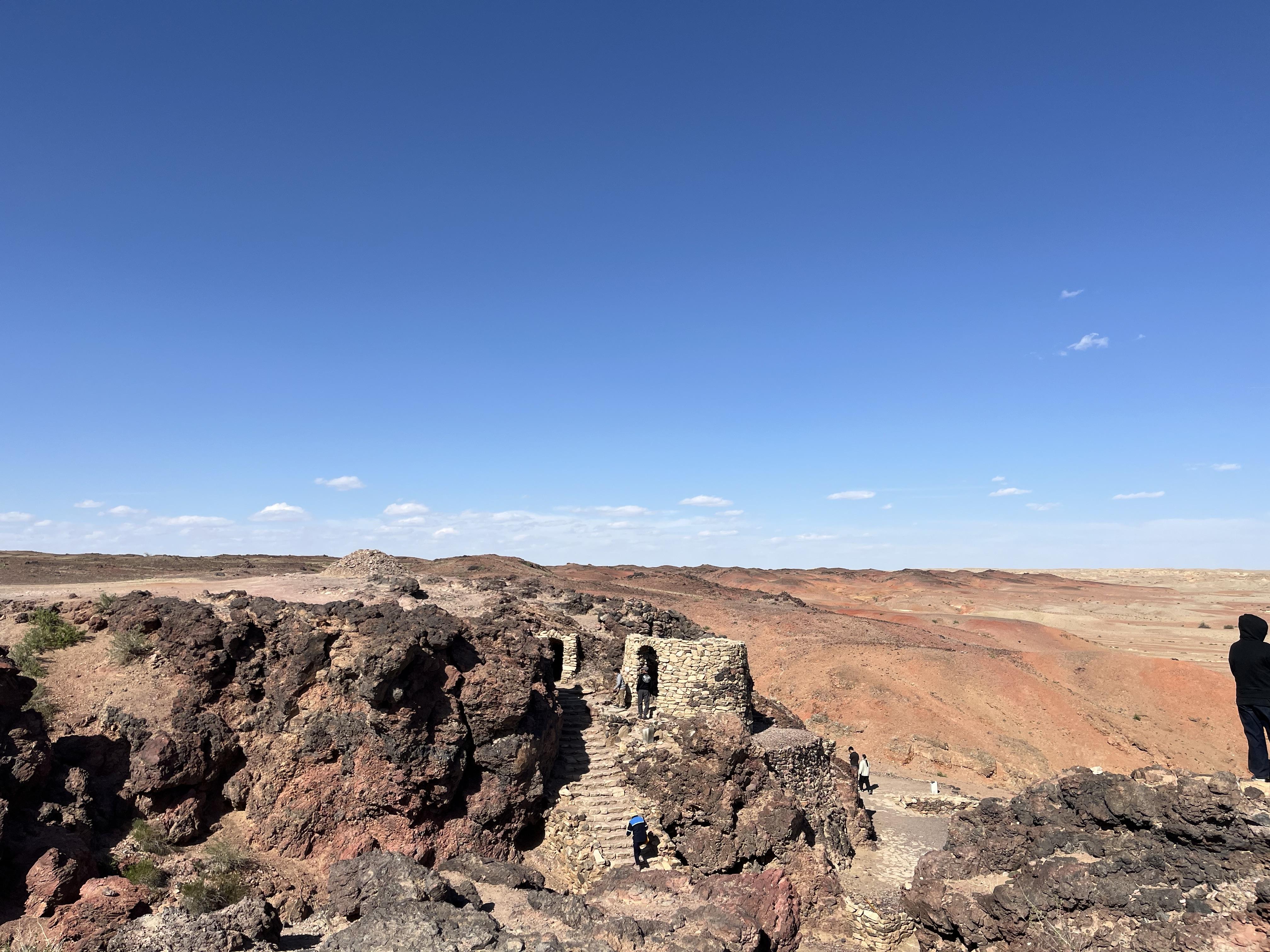
These cold temperatures and low rainfall make farming difficult, but they are well-suited for raising animals. As a result, many Mongolians developed a nomadic lifestyle, moving with their herds to find food and water. Mongolia can be divided into three main environments: grasslands, mountain forests and deserts – each of which influences the region’s traditions.
In grassland regions, wide-open plains provide natural pasture for animals such as sheep, goats, horses and cows. Families move with the seasons to protect the grass from overuse. Their homes, called gers, are light and easy to take apart, which makes moving easier. People in these areas depend heavily on animal products such as meat, milk, wool and cashmere.
In the northern mountain forests, the climate is colder and trees are more common. People build thicker gers to stay warm and use wood for fuel. Travel is harder because of forests and hills, so families usually move shorter distances. They often herd animals such as yaks, cattle and horses that can withstand colder weather.
In the southern desert regions, water is minimal. Families place their gers near wells and raise animals such as camels and goats that can survive with little water. Movement in the desert depends on finding reliable water sources.
Across all regions, Mongolians adapt their homes, animals and movement to match the land.