Ulaanbaatar is so much larger than any other settlement in Mongolia because of its location.
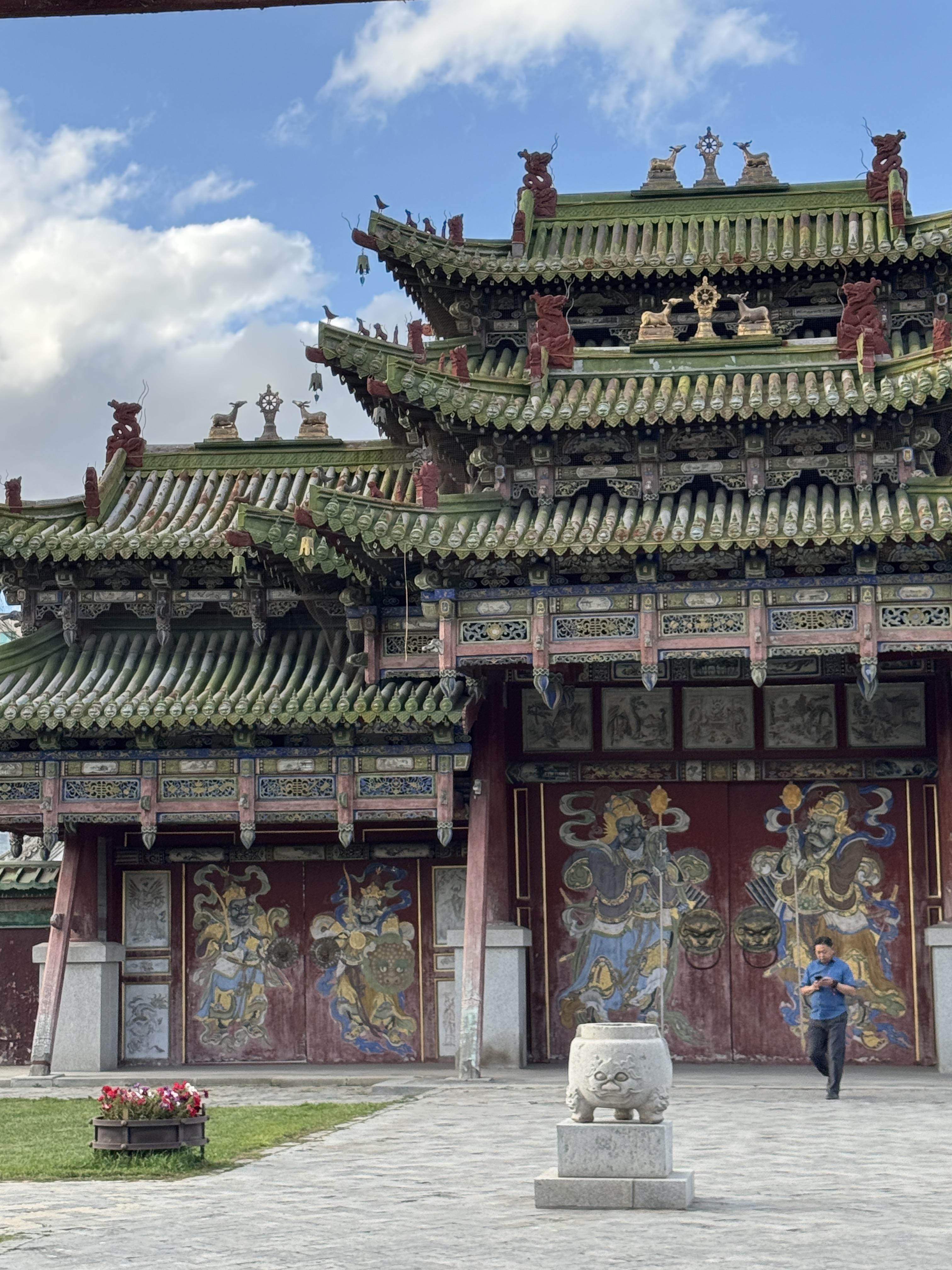
Ulaanbaatar is located in a river valley along the Tuul River and surrounded by mountains. These mountains help block strong winds and reduce some of the extreme cold, making the area more comfortable for people to live in. The Tuul River provides a reliable source of water, which is especially important in a country with long, dry winters and limited rainfall. Ulaanbaatar’s central location in Mongolia also makes it an ideal hub for travel, trade, education and government, as it is accessible from all parts of the country. Because of these environmental advantages, people were able to settle here year-round and build permanent structures, allowing the city to grow over time. One of the earliest permanent buildings was the Bogd Khan Winter Palace, built as a residence for Mongolia’s last king. The palace made it possible for him to stay in one place during the harsh winter months while hosting visitors, storing food and caring for animals.
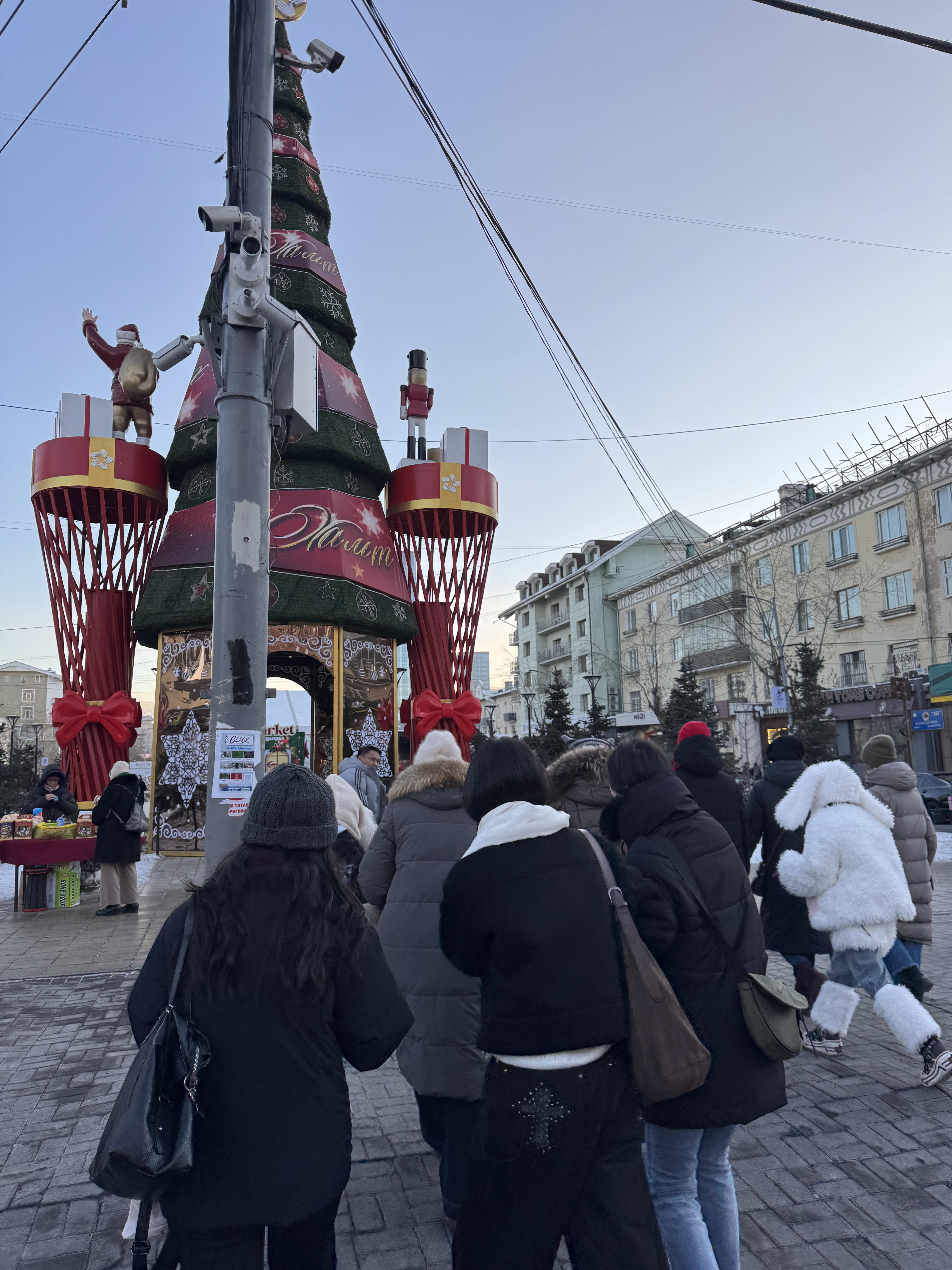
While the mountains surrounding Ulaanbaatar initially helped shield the city from cold winds, they now create a serious problem. As the city continues to grow, those same mountains act like walls that trap pollution. During the winter, pollution builds up and hangs over the city, making the air look gray and smoky even during the day. Most of the pollution comes from burning large amounts of fuel to heat homes and buildings during the extremely cold months. Traffic adds to the problem. Because walking is difficult in freezing temperatures, many people rely on cars and buses.