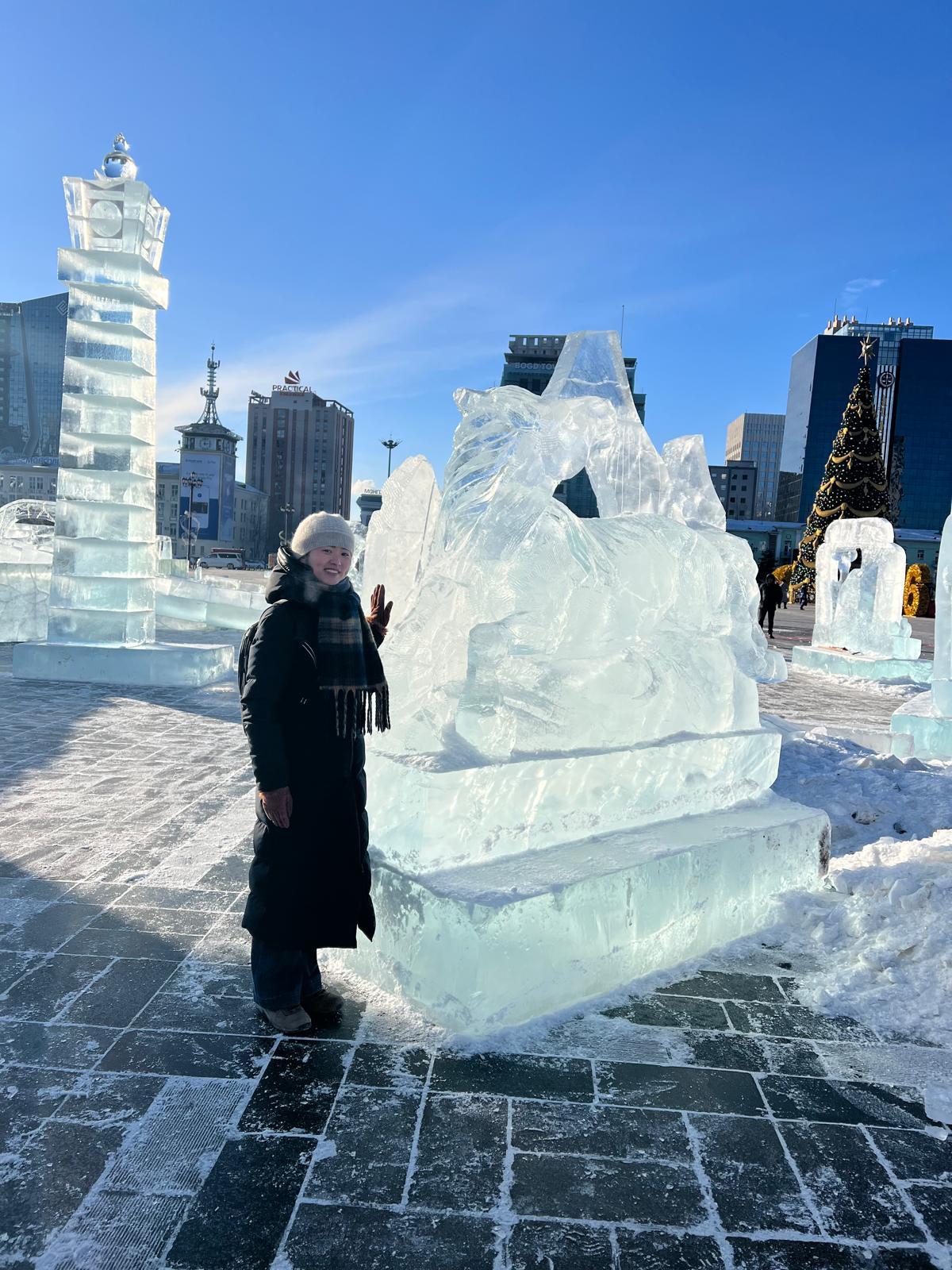
When vehicles sit in traffic or idle to stay warm, exhaust rises into the air with nowhere to go. When I go outside, I always wear a mask to protect my lungs.
The cold climate also creates other problems for daily life and development. The ground stays frozen for much of the year, which limits how long construction crews can work and slows the building of new roads, homes and schools. Cold weather makes it harder for people to spend time outdoors and stay active, as they must remain inside to keep warm. Growing fresh vegetables is also tricky, so many foods must be imported, making healthy eating more challenging.
Despite the low temperature being a challenge, Mongolia’s harsh climate deeply shapes its culture and traditions. People learn to live with the cold by gathering indoors, sharing warm food, and spending time with family. The cold teaches patience and resilience, while also giving life a deeper meaning. When warmth is rare, it is valued more, and moments of connection feel stronger.
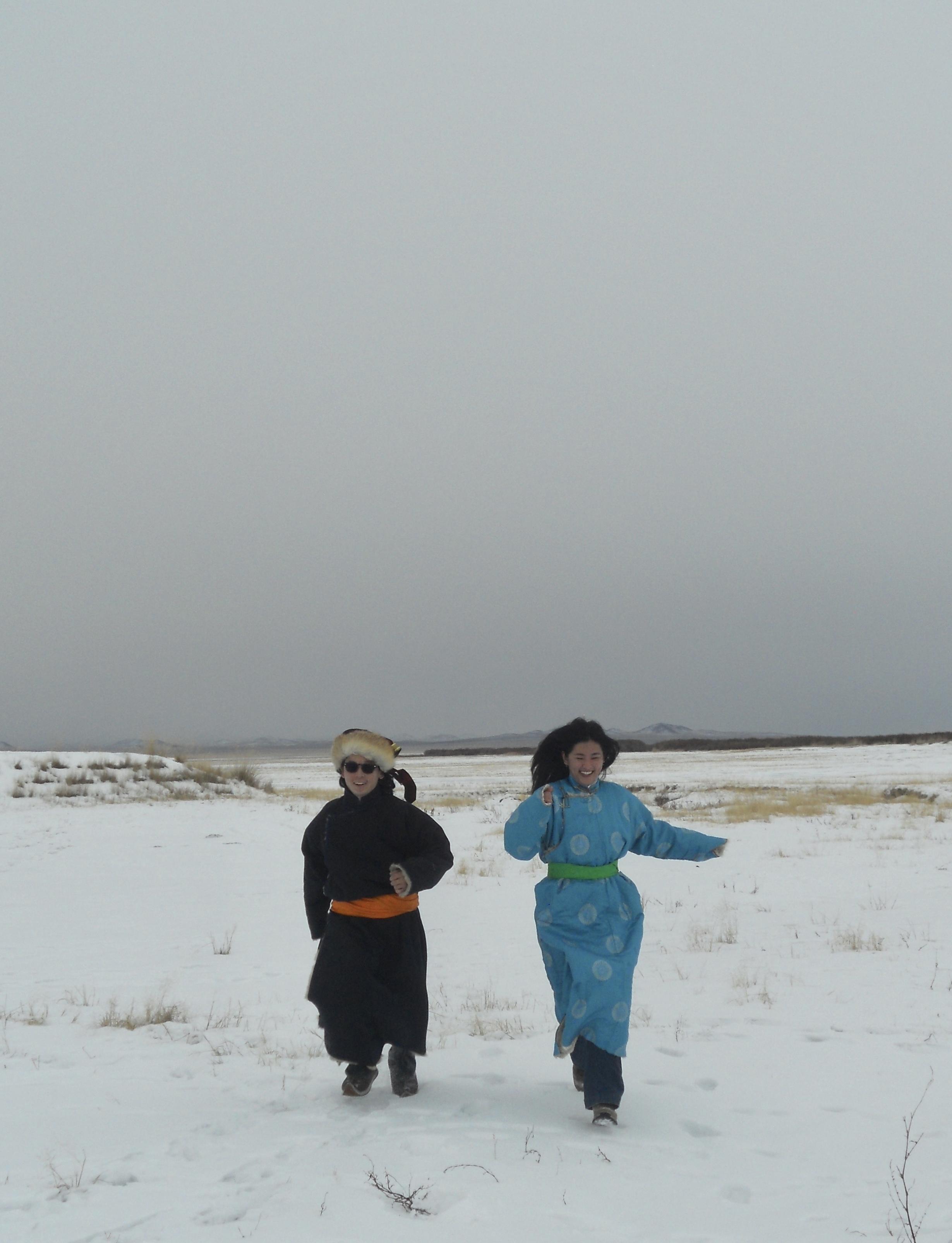
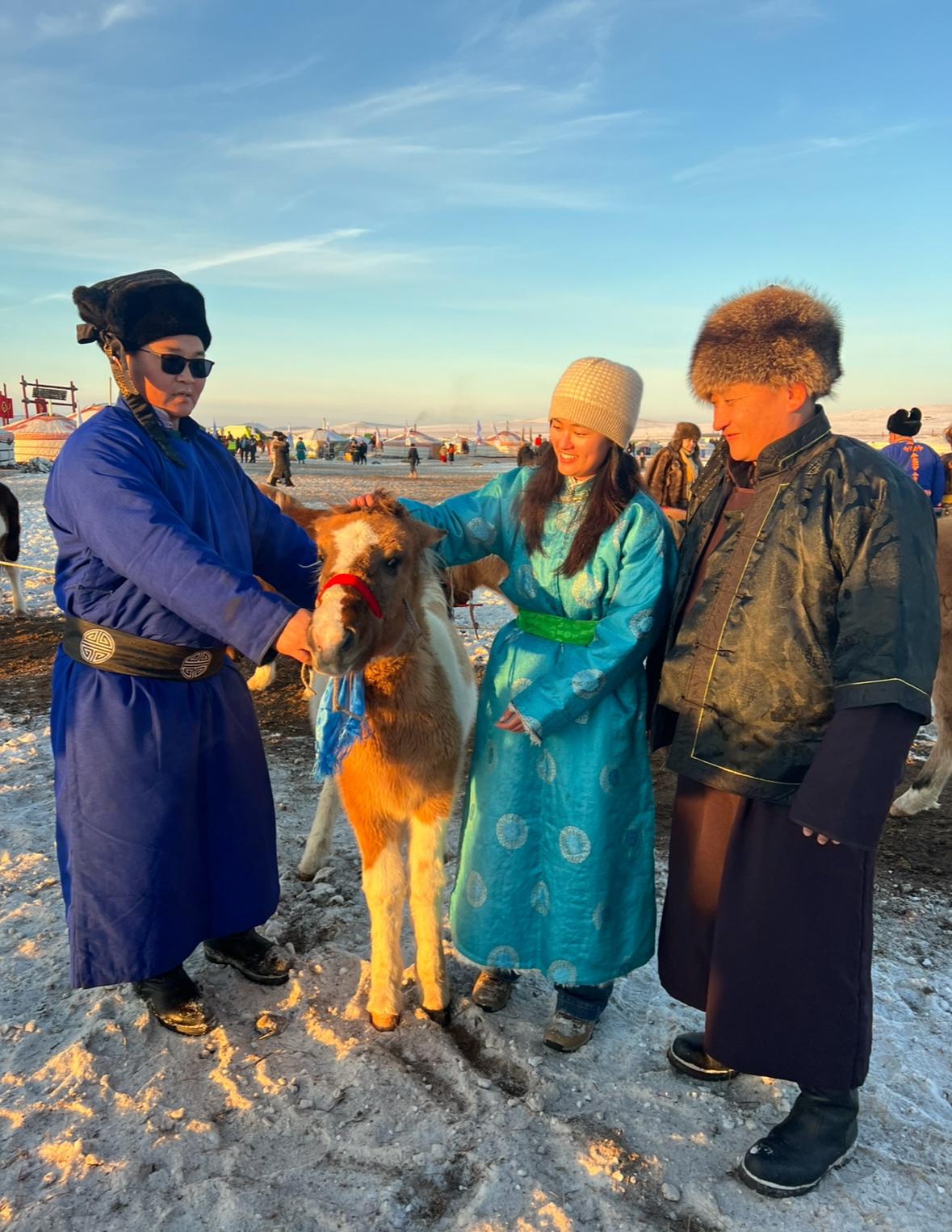
In Mongolia, fashion is life or death! People have adapted to the harsh environment by wearing clothing that protects them from extreme cold and wind. Traditional Mongolian clothing, called deels, are long, thick robes that wrap around the body and are tied with a belt. In winter, deels are often made from heavy materials like sheep’s wool, felt or lined with fur. However, in summer, people wear lighter deels made from cotton or silk. These thinner fabrics help people stay cool while still being protected from the sun and wind.
I have also had to adapt to the cold by layering carefully when I go outside in winter.