Much of Mongolia relies on underground groundwater from aquifers, especially in drier regions like the Gobi Desert. Rural herders use wells, while many urban residents in ger districts collect water from kiosks.
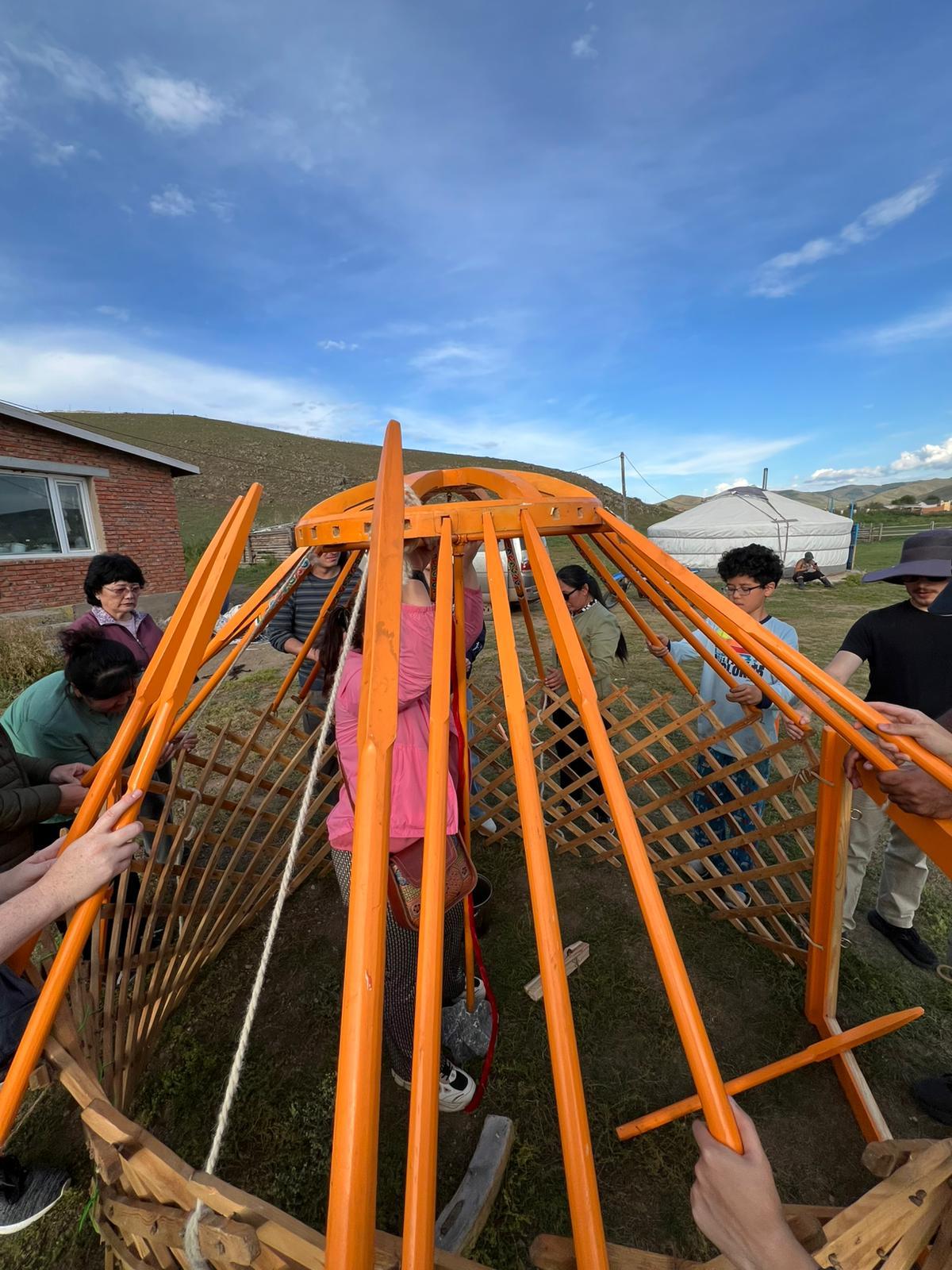
Seasonal movement also helps people thrive. Nomadic families relocate two to four times per year to access fresh grazing land and water sources. By adjusting to seasonal changes instead of remaining in one place, herders make the most of Mongolia’s natural resources.
Living in Mongolia also presents serious challenges. Because of the short growing season and long winters, only about 1% of Mongolia’s land is used for crops. Most farming occurs in the northern river valleys, and only one harvest per year is possible. This limits food production and makes agriculture vulnerable to weather changes. Also for rural herders, extreme winter storms called dzud (зуд) can kill large numbers of livestock, threatening families’ livelihoods. Climate change has made these events more unpredictable, increasing economic instability.
Urban life can also bring additional difficulties. Around 60% of Ulaanbaatar’s population lives in ger districts on the outskirts of the city. During winter, families burn coal to heat their homes, which contributes to severe air pollution. In the winter, I regularly check the air quality app and sometimes wear a mask when I go outside. When snow melts in spring, coal dust can contaminate soil and groundwater. Although the government and local communities are working on solutions, pollution remains a major concern.
Traffic congestion is another major challenge.