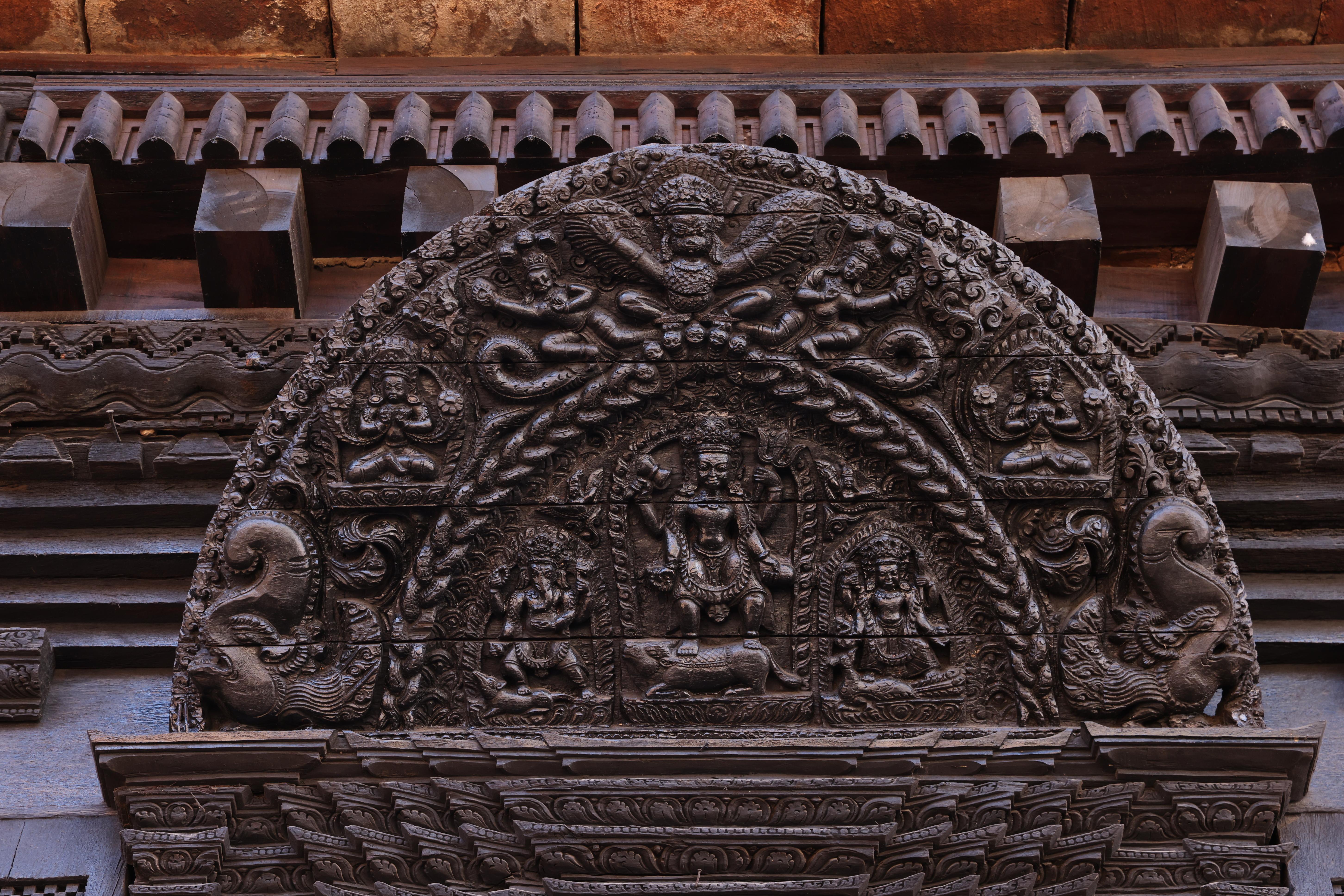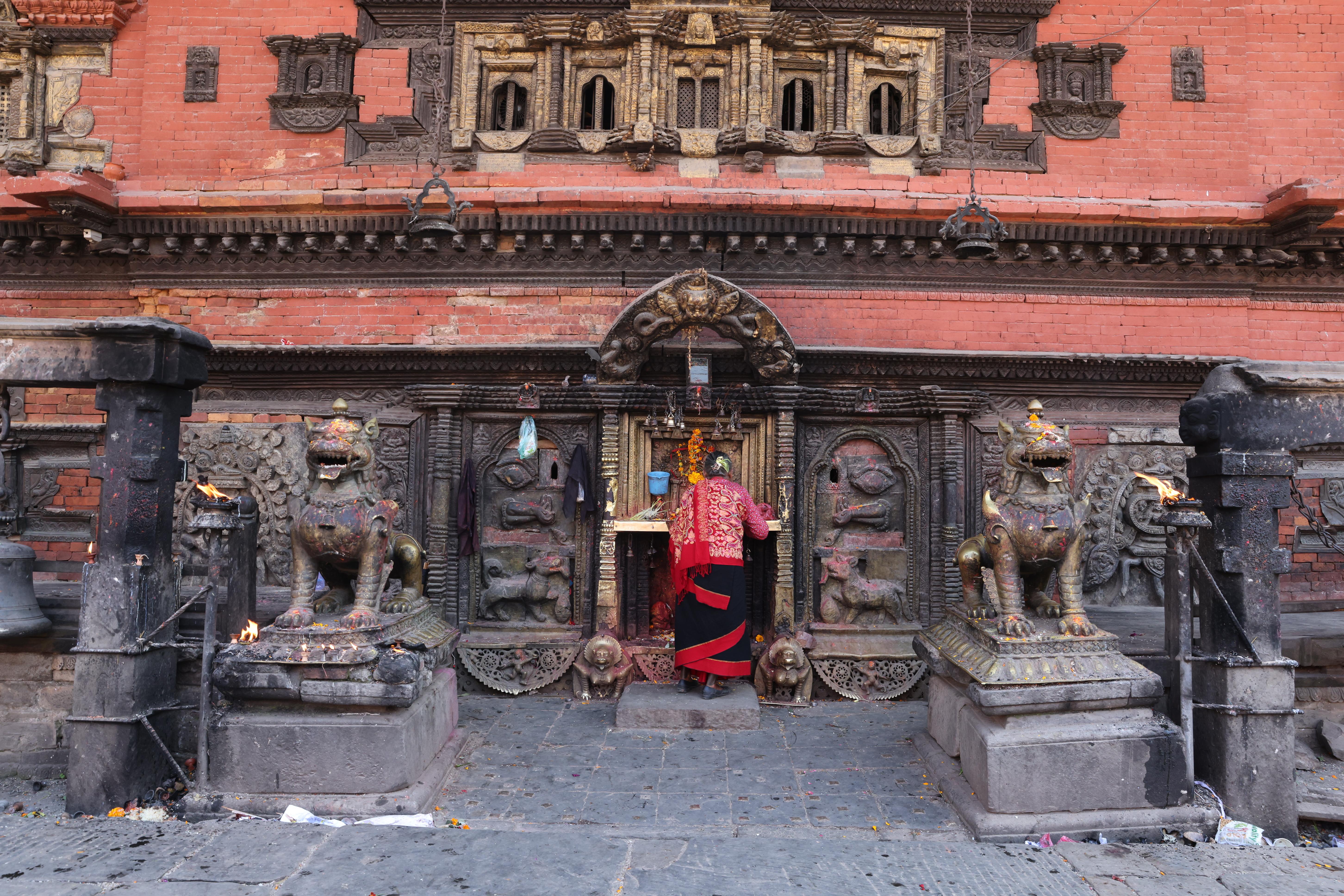
On the first day of the festival, people plant barley seeds, which they will then use during rituals once these seeds have sprouted by the 10th day. The 10th day is also when elders apply tika (a mix of red vermilion, yogurt and rice) to the foreheads of younger family members to bless them. Other days come with different traditions or forms of prayer, sometimes involving animal sacrifice. Everything wraps up on the 15th day, when the festival officially ends, and it is time to return to business-as-usual.
Throughout the festival, there are also lots of smaller ways that people celebrate or show their devotion: everyone will get new clothes, with women often wearing red to signify their devotion. There are lots of games to be played, and huge swings made of bamboo (called linge ping) are constructed for children to play on. People will carefully arrange platters full of offerings, often incorporating plants with cultural significance like marigolds, coconuts and banana leaves. Historically, orchids were also commonly used, but as the law has gotten more strict and wild orchids have become harder to find, it is very rare to come across any of these flowers playing a part in the festival now.
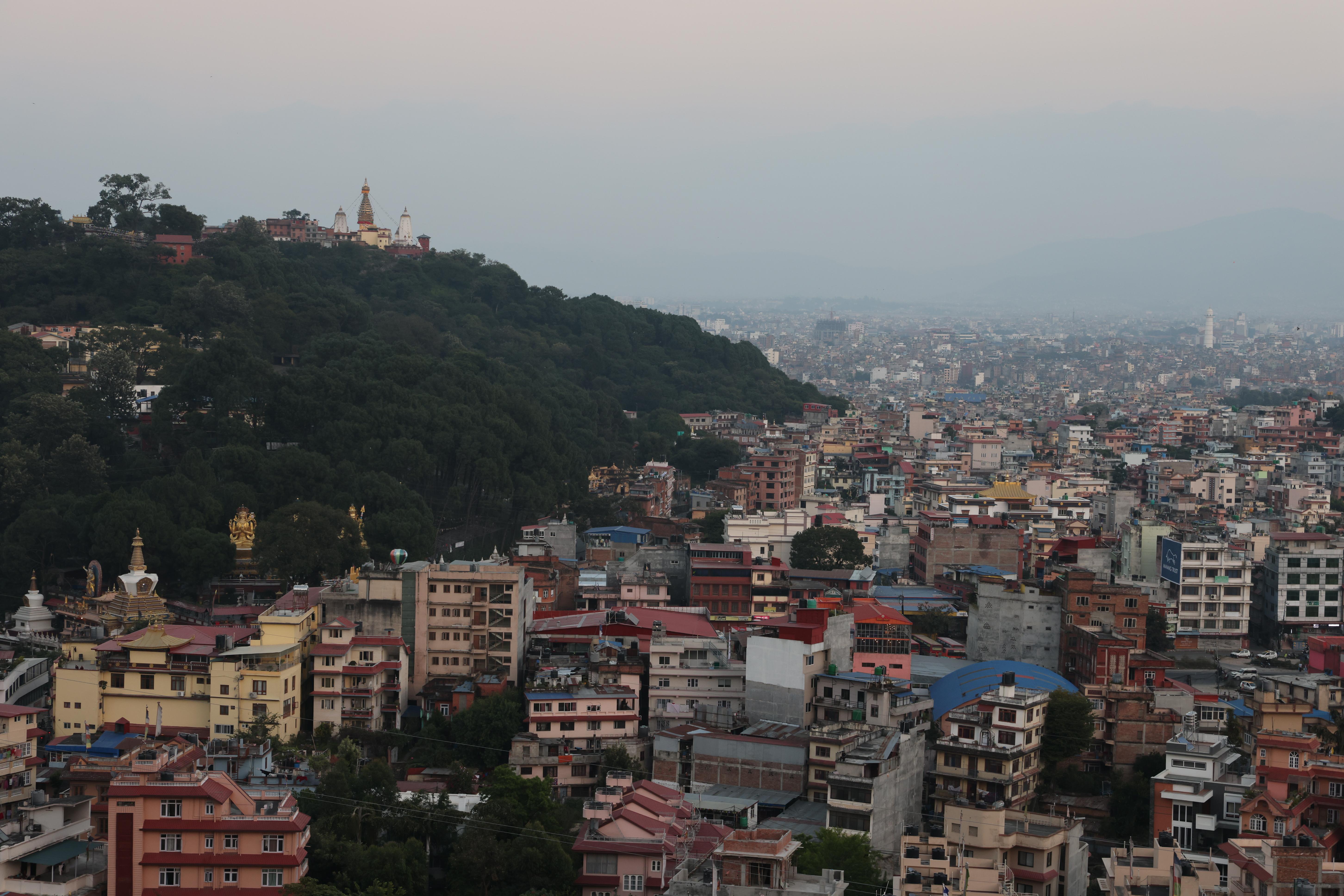
For me, having Dashain this week meant that I had a lot of time on my hands. Work was closed and many of my co-workers traveled home, which meant not only could I not go into the office, but I also couldn't really go on any trips to the field since everyone was unavailable. Instead, I have spent a lot of my time this week exploring Kathmandu. Crowds are much more manageable, and those who are still around are all in a very celebratory mood.