Because South Korea is a peninsula, its cuisine has long been shaped by a combination of geographic isolation and self-sufficiency. For thousands of years, people here have largely been responsible for growing, preserving, and preparing their own food. The landscape itself plays a major role in this. Roughly 70% of the Korean peninsula is mountainous, which makes large-scale farming on flat land challenging. At the same time, proximity to the sea has deeply influenced what people eat.
This closeness to the ocean means that Korean cuisine draws heavily from the sea (바다, bada), alongside what can be grown on land. Fish (물고기, mulgogi), seaweed, clams, and other seafood appear regularly in everyday meals. When you travel across South Korea--especially in rural areas--you begin to notice that the “personality” of a place is often tied to its relationship with land and sea, whether a community is shaped more by farming, fishing, trade, or modern industry.
Busan is a clear example of this connection. Located at the southeastern edge of the peninsula, Busan is one of Korea’s most distinctive cities. Because it was never fully captured during major wars, it became a place of refuge and continuity. Today, it is especially famous for its seafood; fish markets, coastal restaurants, and ocean-based livelihoods remain central to the city’s identity.
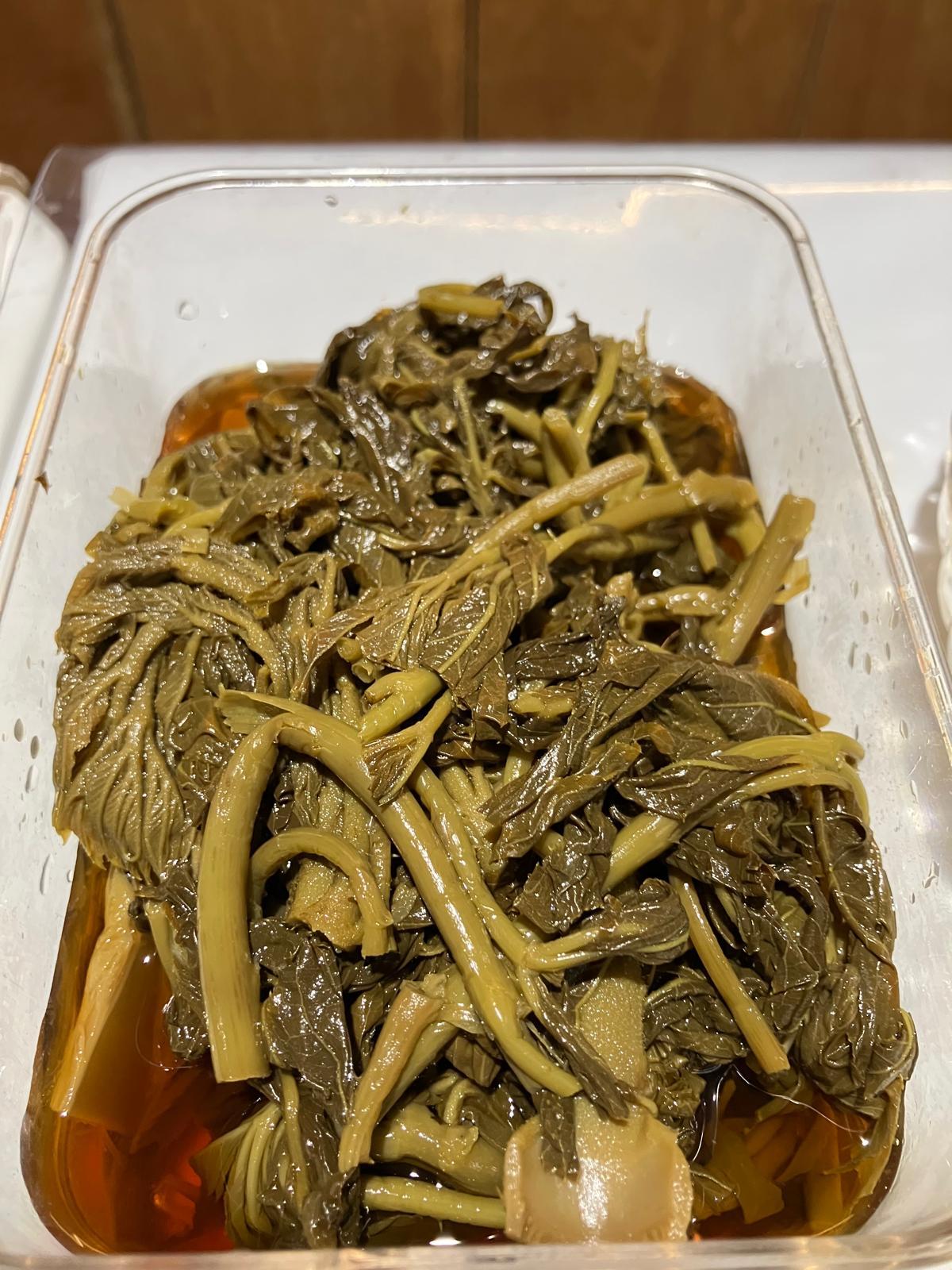
The environment also shaped how food is prepared. Before refrigeration, foods needed to be preserved to survive long winters and lean seasons.