When saying goodbye, people often say things such as “stay healthy” or “be well.” In the United States, these expressions are usually for people who are already sick, and using them as a regular farewell might feel unusual.
Even though these may seem like small details, the concern for a person’s well-being, even in a simple goodbye, reflects a broader cultural value of taking care of one’s health and others. Another example of something people here often say is 건강하세요 (geonganghaseyo), which means “please stay healthy,” or 몸 조심하세요”(mom josimhaseyo), which means “take care of your body.”
A example of this prevention-focused culture is convenience stores. When I first went to convenience stores in Seoul, I was surprised to see vitamins, health drinks and other wellness products being sold. These are things I would normally expect to find only in pharmacies. Here it is common to simply buy a vitamin C supplement in the winter to help prevent getting sick.
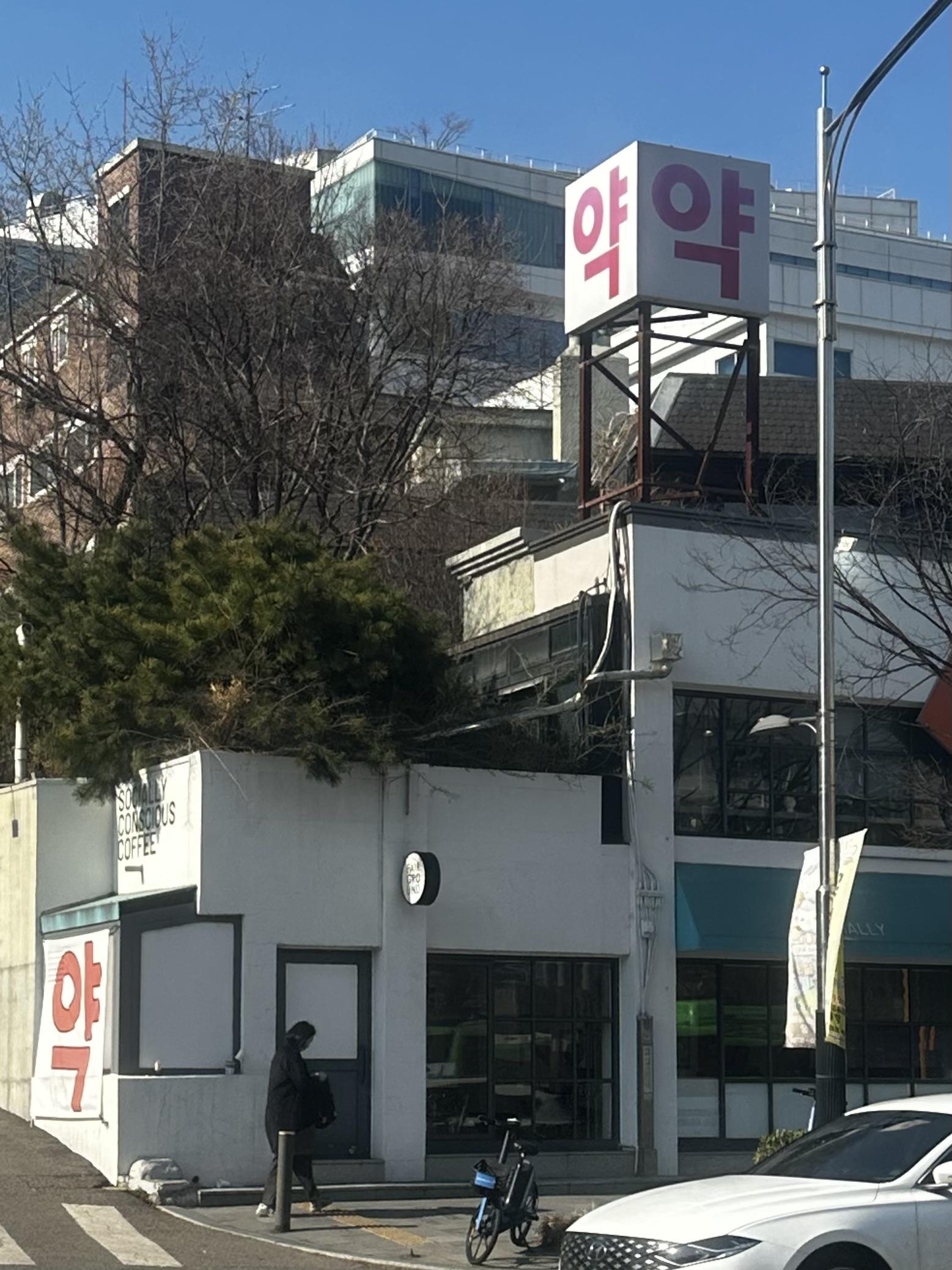
Overall, healthcare in South Korea is very different from what I was used to back home. Healthcare is not something people think about only when they get sick. It is visible in their everyday lives, actions, and conversations. From pharmacies on every street to health products in convenience stores, the system is designed to be fast, accessible and easy to use.