In stories, the Turul often gives and is in dreams that are prophetic, meaning they predict the future. There is a giant Turul statue outside the Buda Palace area as well as other statues sprinkled throughout the city. In fact, on my first day, I remember passing one in a playground on the way from the airport. It also shows up on other official documents and iconography. This means that the Turul bird is often used for political symbolism and nationalist parties. But as I have discussed before, monsters are constantly evolving and their symbolism changes over time. It will be interesting to see what the Turul bird represents in the future.
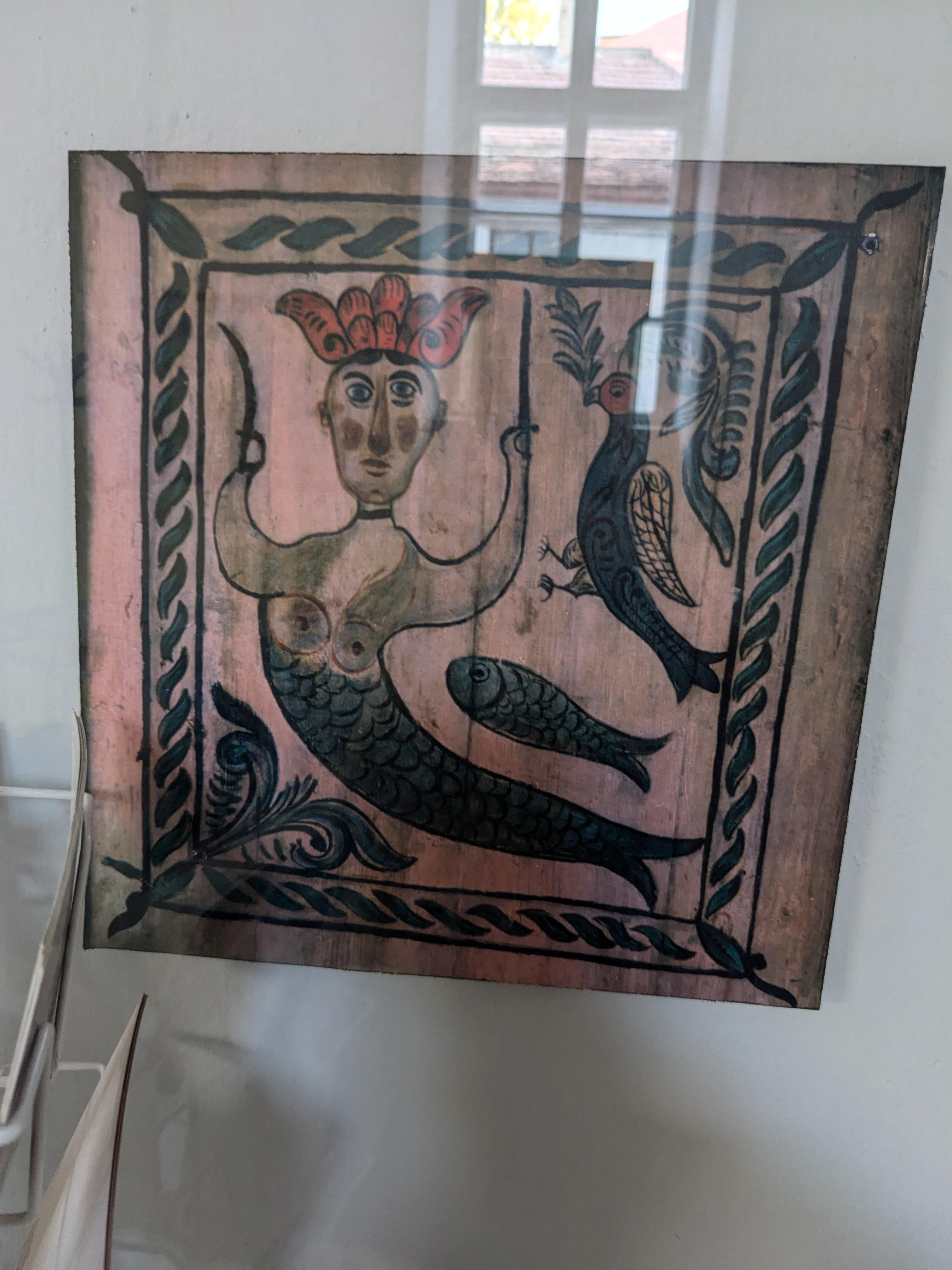
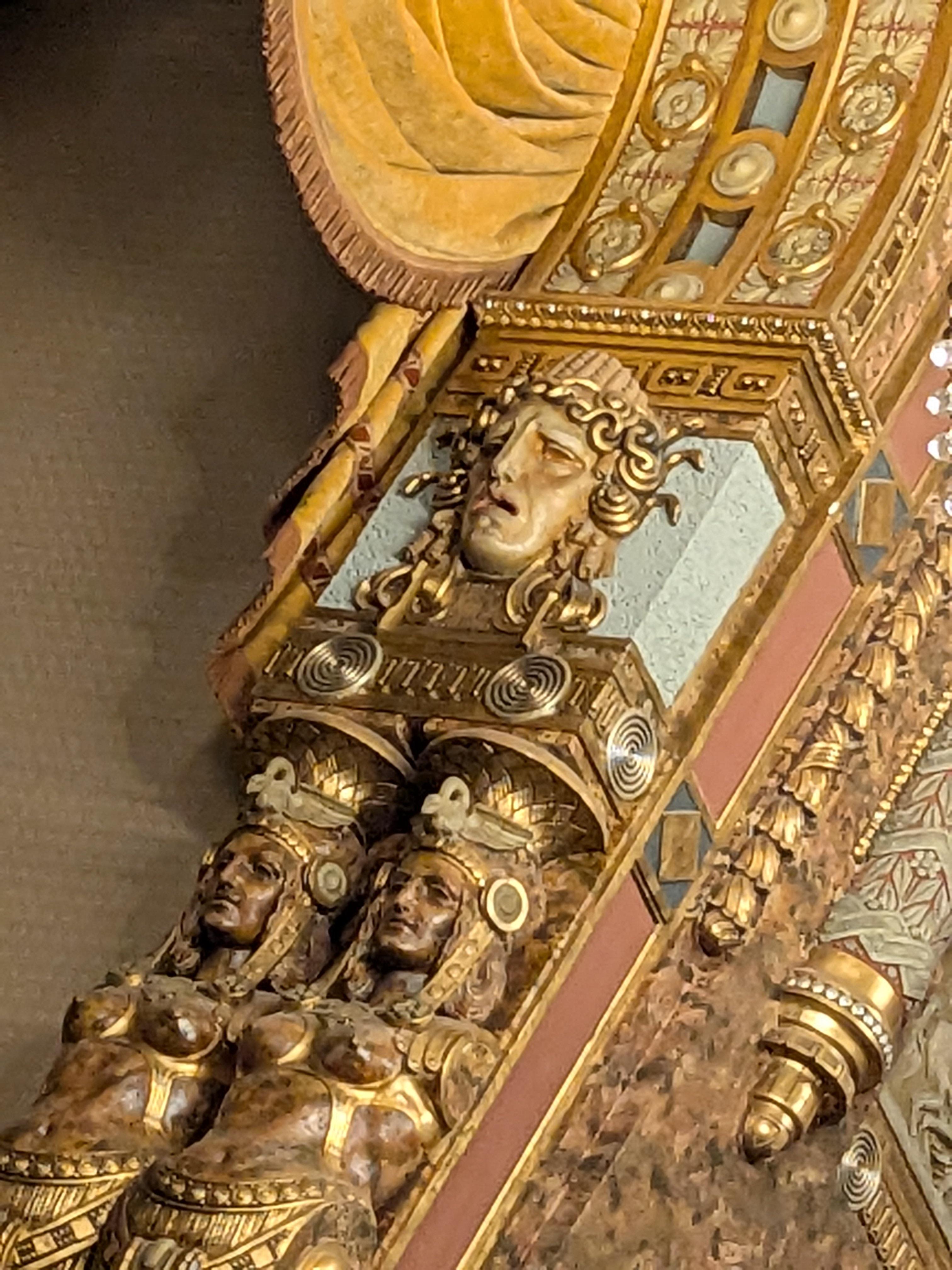
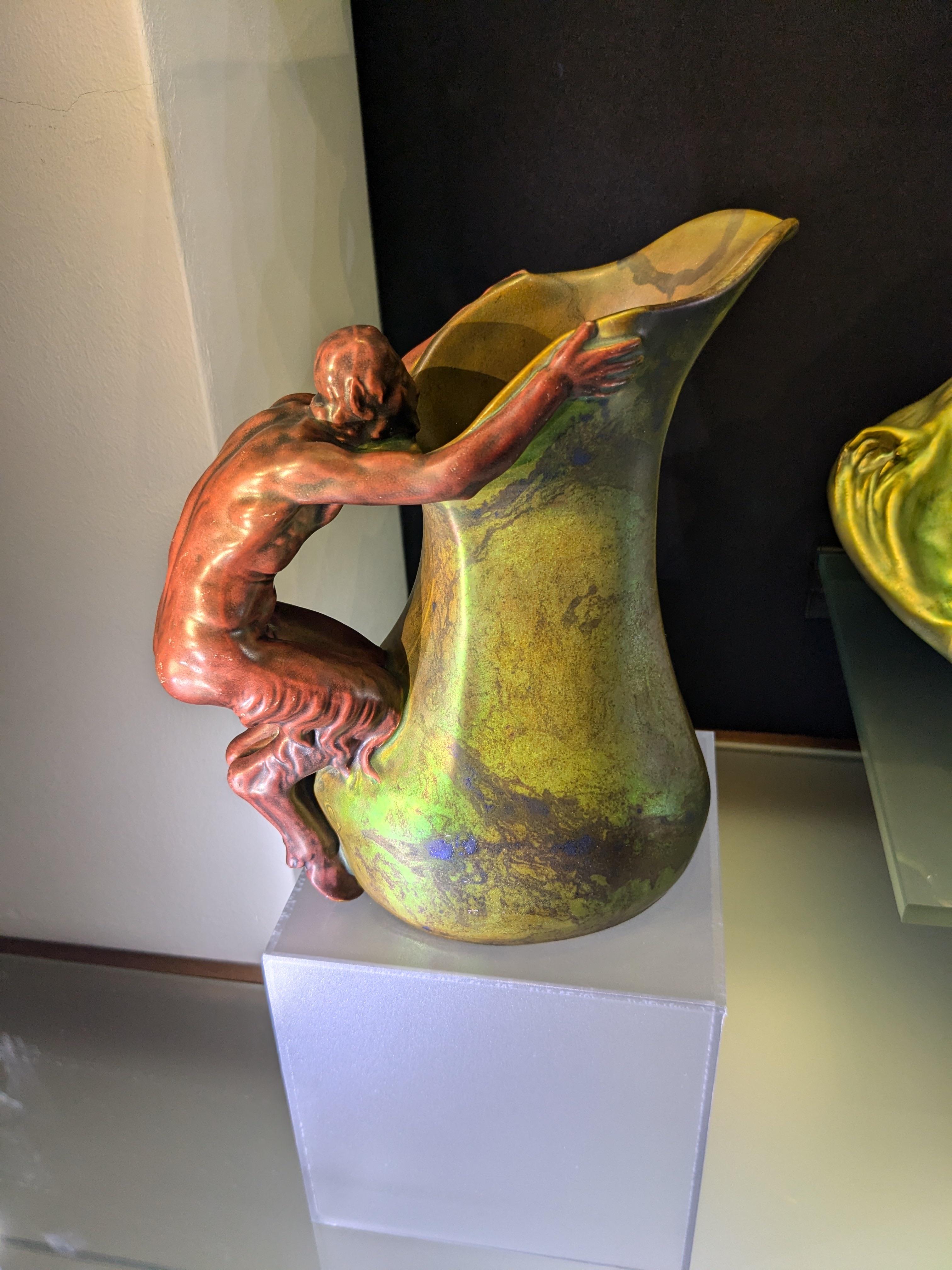
One other thing I have noted is there is much more siren iconography here than I expected for a land-locked country. They are on decorative tiles and I made the connection that some of these are connected to the symbol of Pisces. This is a trend I see all around Europe. A lot of monster depictions in cities are related to Greek-based myths and symbolism. For example, I have lost count of how many Satyrs I’ve seen in museums and around the city. These are men with goat legs and horns that are very mischievous. This use of symbolism is due to the influence of Greek Classics in art. Greek art was praised and replicated around Europe and even in America. Creatures such as chimeras, gorgons (Medusa), centaurs, and many others are based in Greek myth and I was surprised with finding often more visual depiction of them than original Hungarian creatures. It just makes the hunt a little more challenging! That's partly why I spent a whole week focused on Busójárás, to really see and experience what Hungarian's claim as their own creatures.