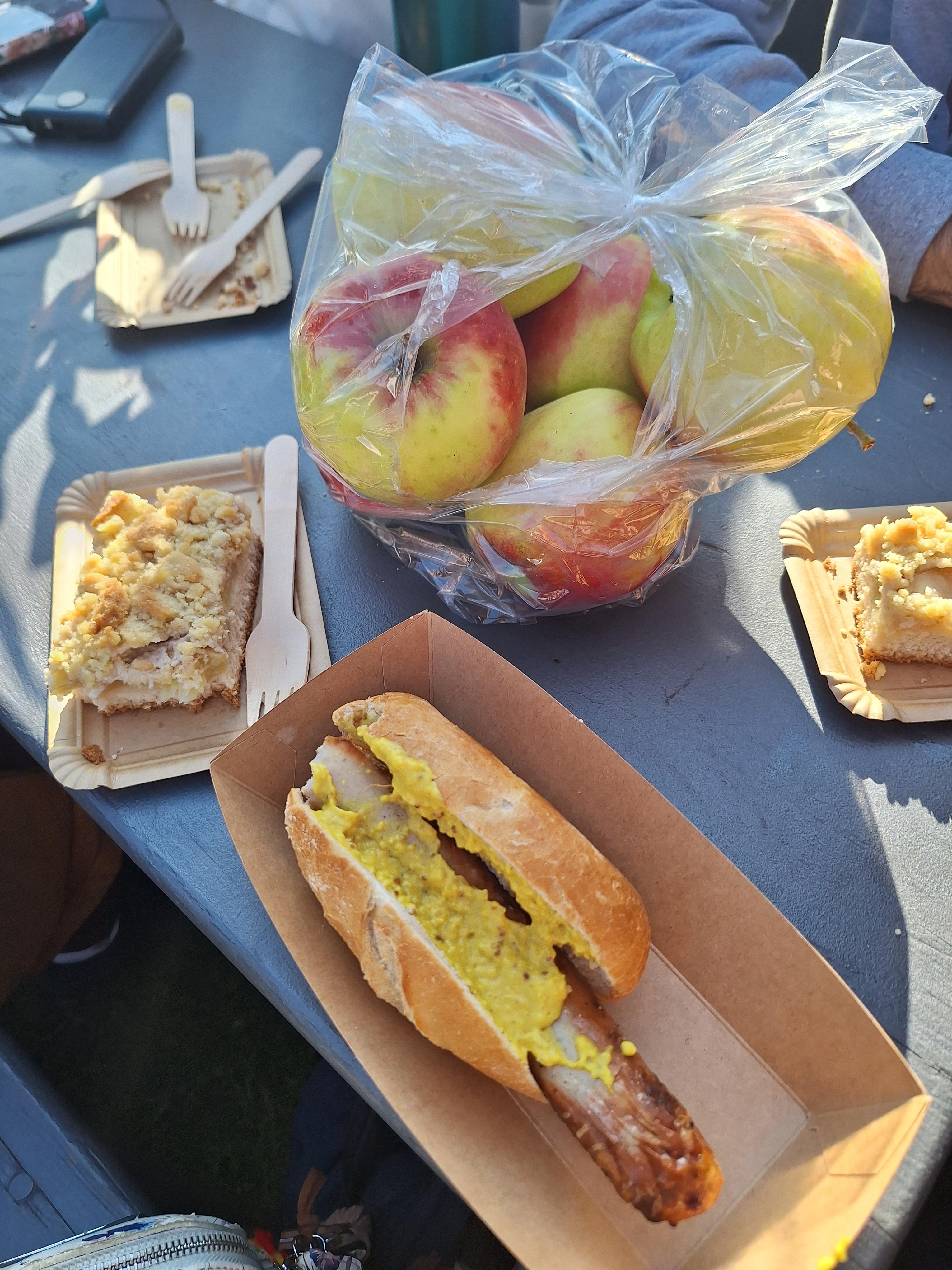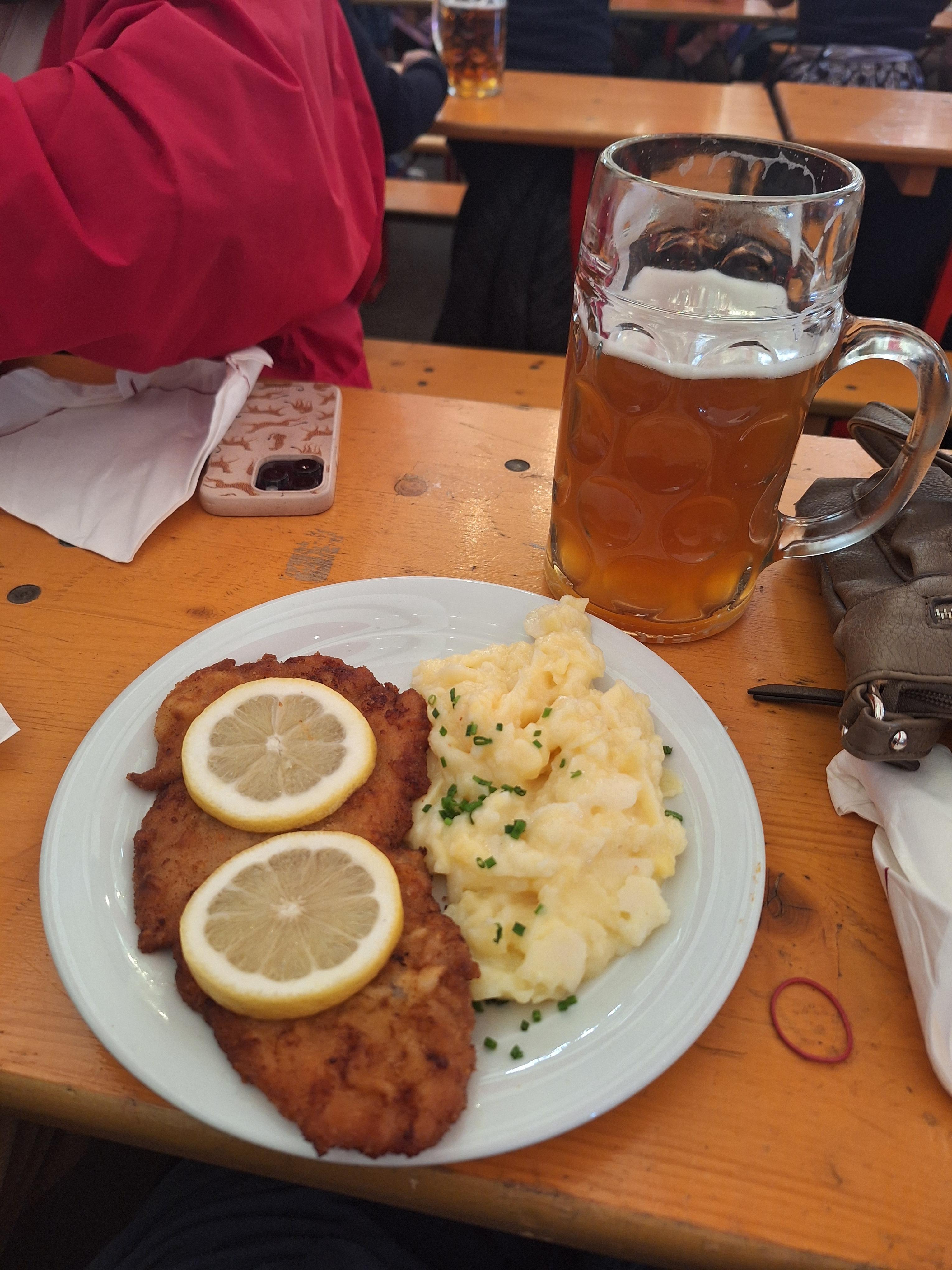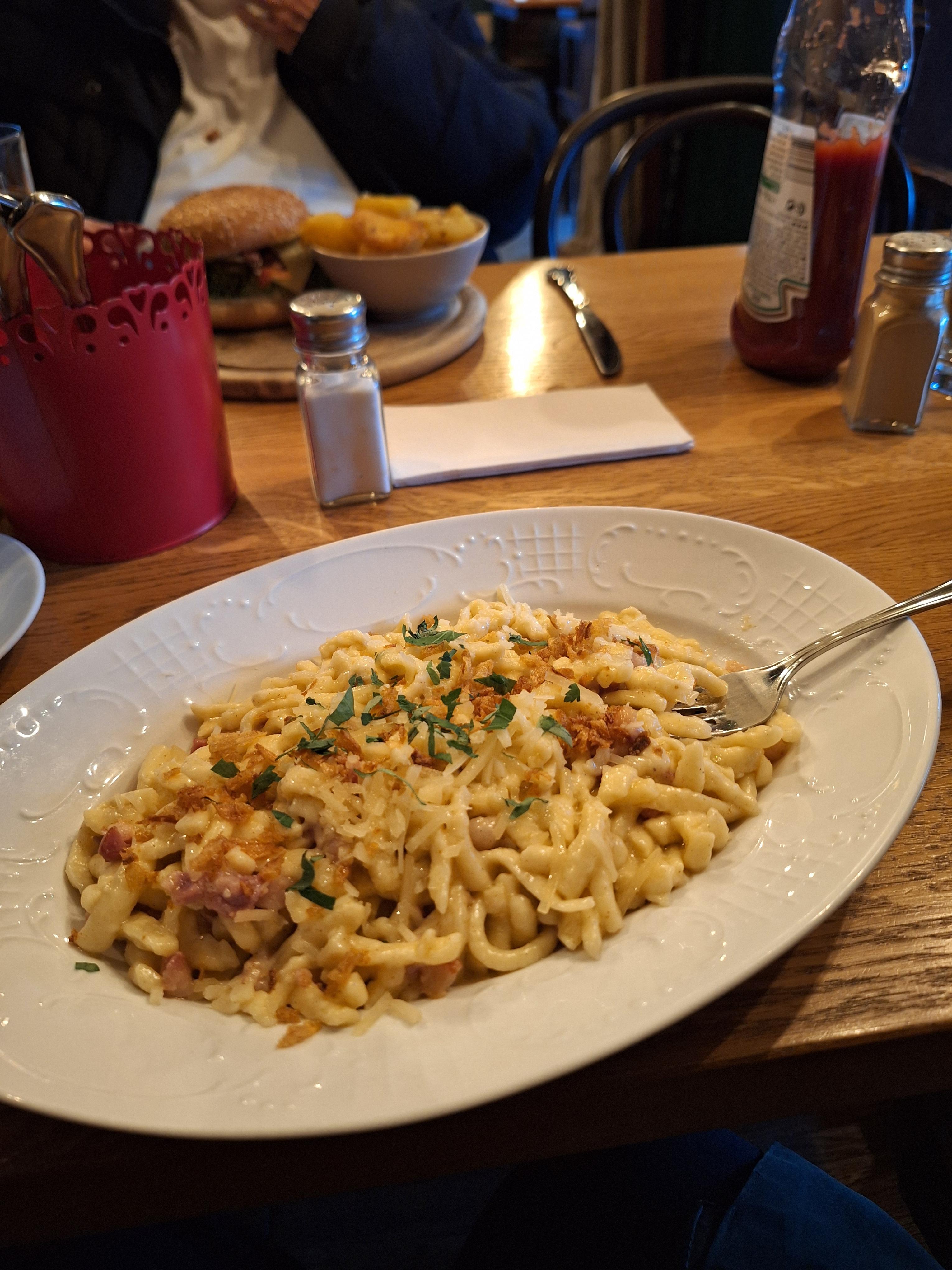
German food is something that you hear a lot about in the United States, but don't often experience. If you can find and go to an authentic German restaurant, a European-style Christmas market or an American Oktoberfest, then you may have some experience taste-testing some of the most famous German delicacies, like Wurst, Schnitzel, and Käsespäzle. However, these places and events can be difficult to find in the US if you don't live in a bigger city.
These foods we generally think of are very present in Germany, but they aren’t the whole picture. The reality of German food today is quite international. Just like how American food is a blend of the foods of our immigrants, Germany's food culture functions the same, with many Turkish, Vietnamese and French influences. In particular, the Turkish street food, Döner, took Germany by storm.
As Americans, many of the “stereotypical” foods we associate with Germany are also very based in regional history. After WWII, when the American military was occupying a portion of Germany -- a region called Bavaria -- they took notice of the food, clothes and customs there. When the American bases in Germany closed and the soldiers came home, they brought that knowledge back with them.