They have a long snout and an even longer tail, which they use for climbing and also for protection: when a pangolin feels threatened, it will curl itself into a ball. Pangolins have long claws, which are useful for digging burrows or breaking apart ant and termite nests in search of food. They also have long, sticky tongues they use to scoop up their prey.
Pangolins are extremely difficult to see. When I was in Nigeria, a couple of rescued pangolins were brought into the park headquarters to be released back into the park. I remember the first time I saw one, I knew it was my new favorite animal!
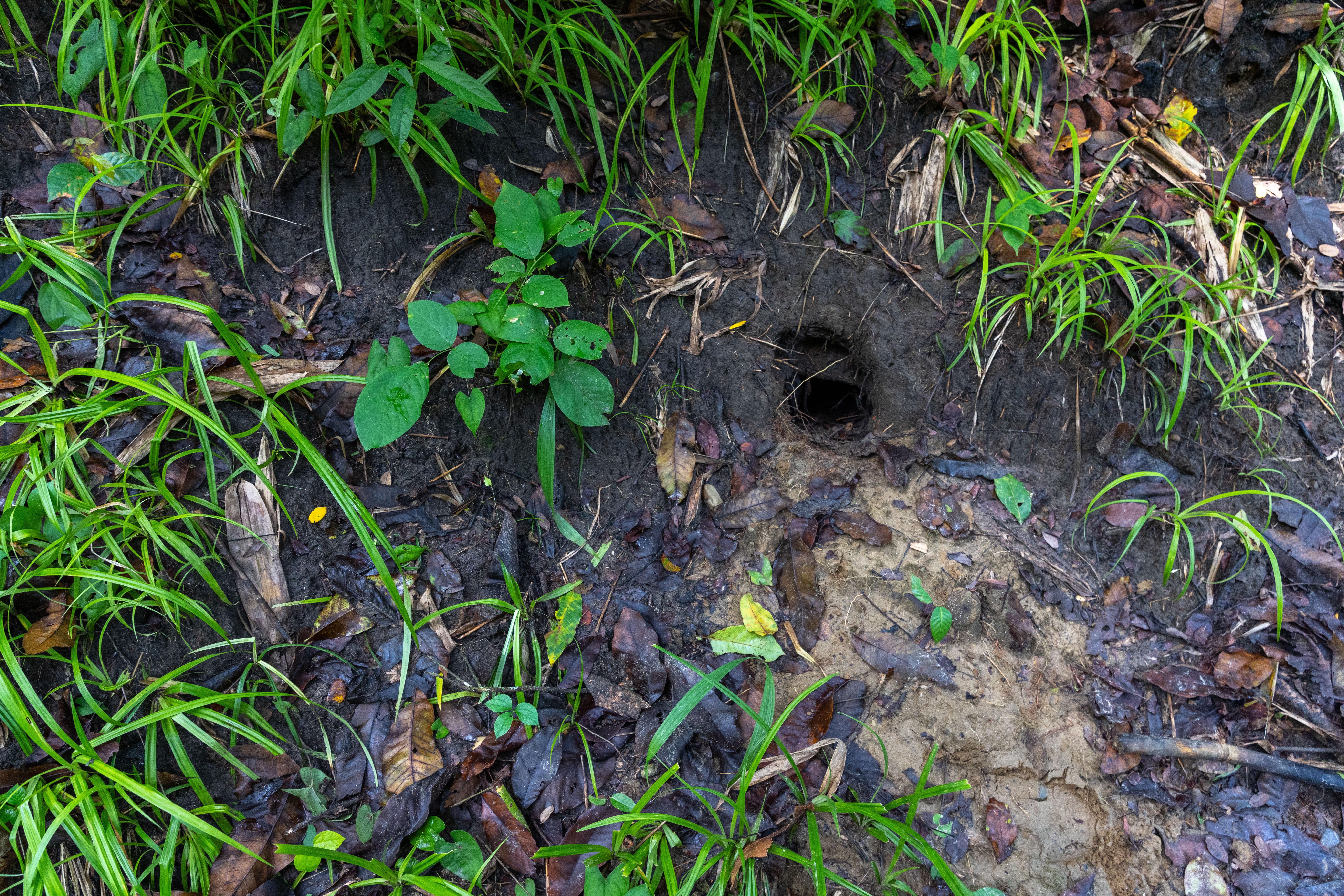
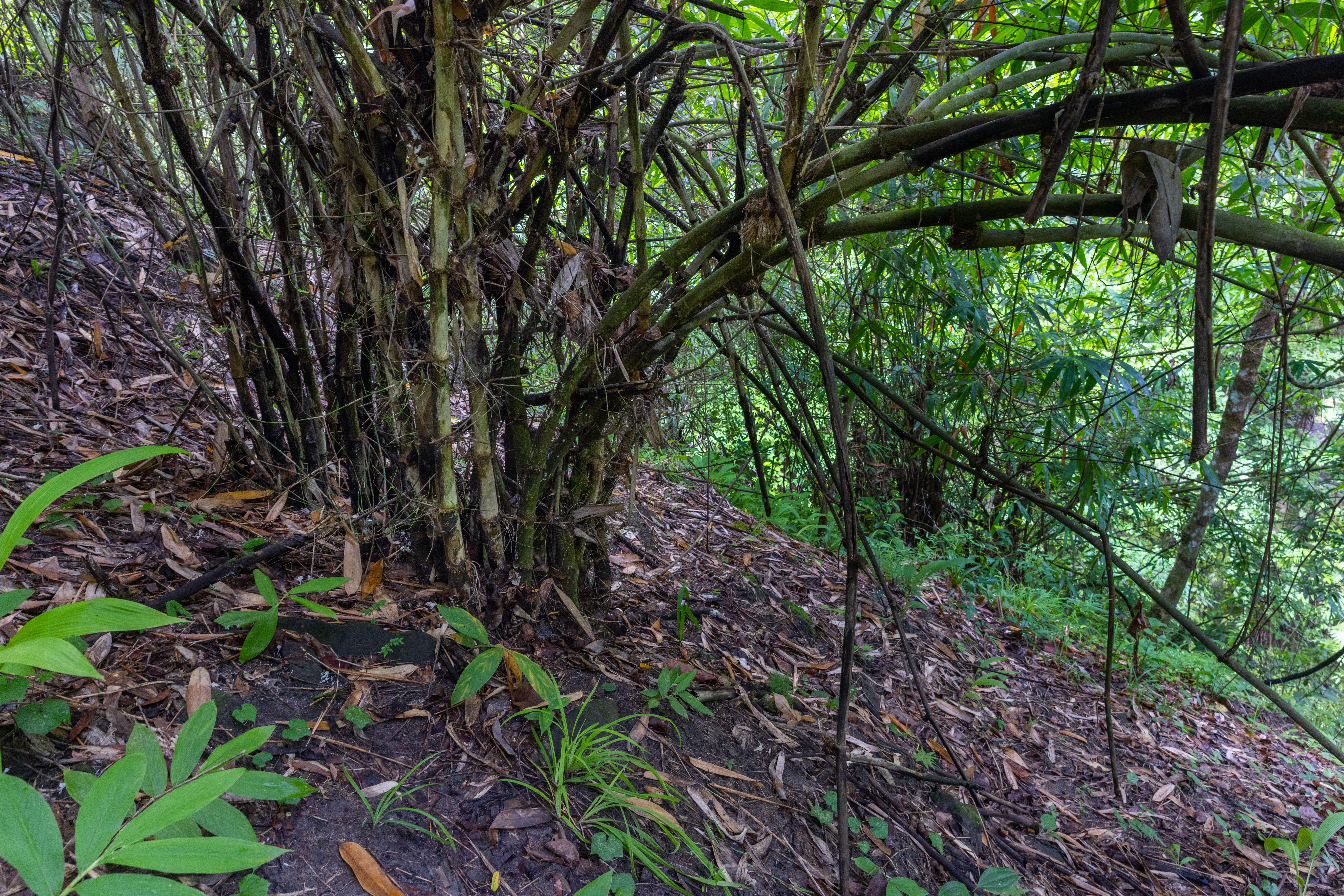
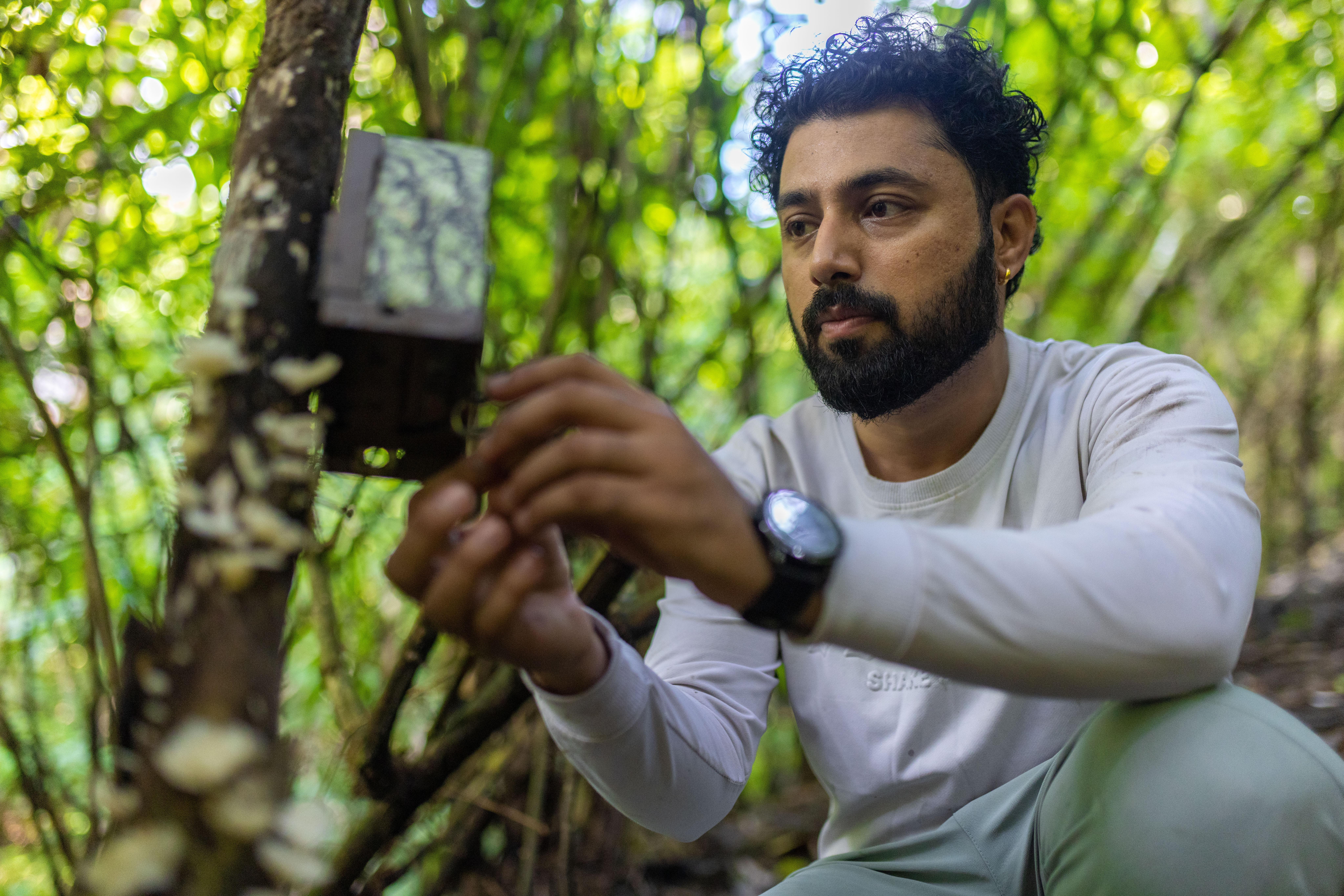
Since pangolins are both rare and nocturnal, seeing one in the wild is almost impossible. Instead, researchers often use camera traps to monitor them. These cameras can be set out for several months, and will be set to take a picture whenever they sense movement in front of them. The only difficult part is that researchers need to find where pangolins would likely be! Greenhood Nepal employs local community members to "track" pangolins by monitoring where there are new pangolin burrows, which indicate that a pangolin is active in the area. For now, we are just setting out camera traps in front of burrows in the hopes that in the next few months, a pangolin will wander inside and trigger a camera on its way past.
There are eight species of pangolin in the world, four in Africa and four in Asia. Two of these species are found in Nepal: the Chinese pangolin (Manis pentadactyla) and the Indian pangolin (Manis crassicaudata). Of the two, Chinese pangolins are the species that is present in Chitwan National Park.