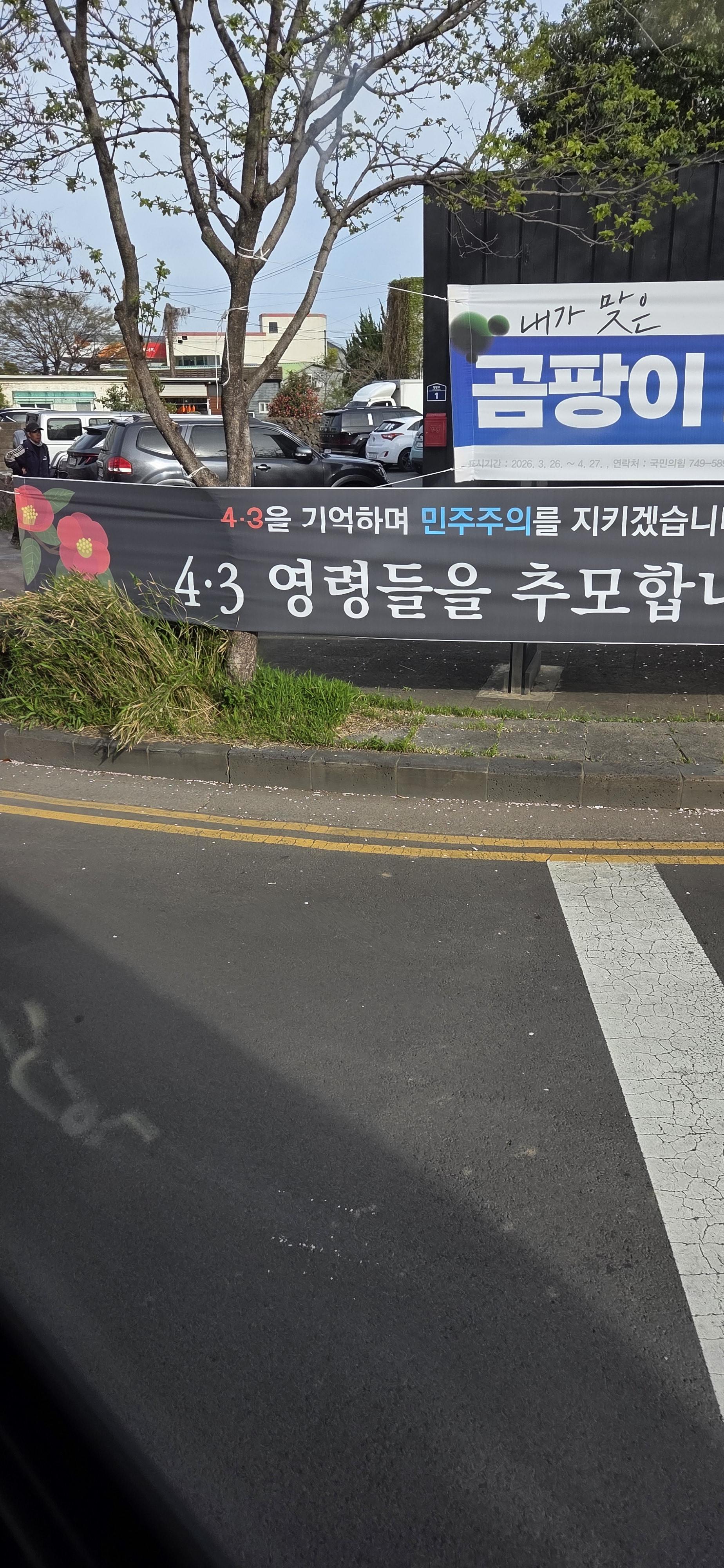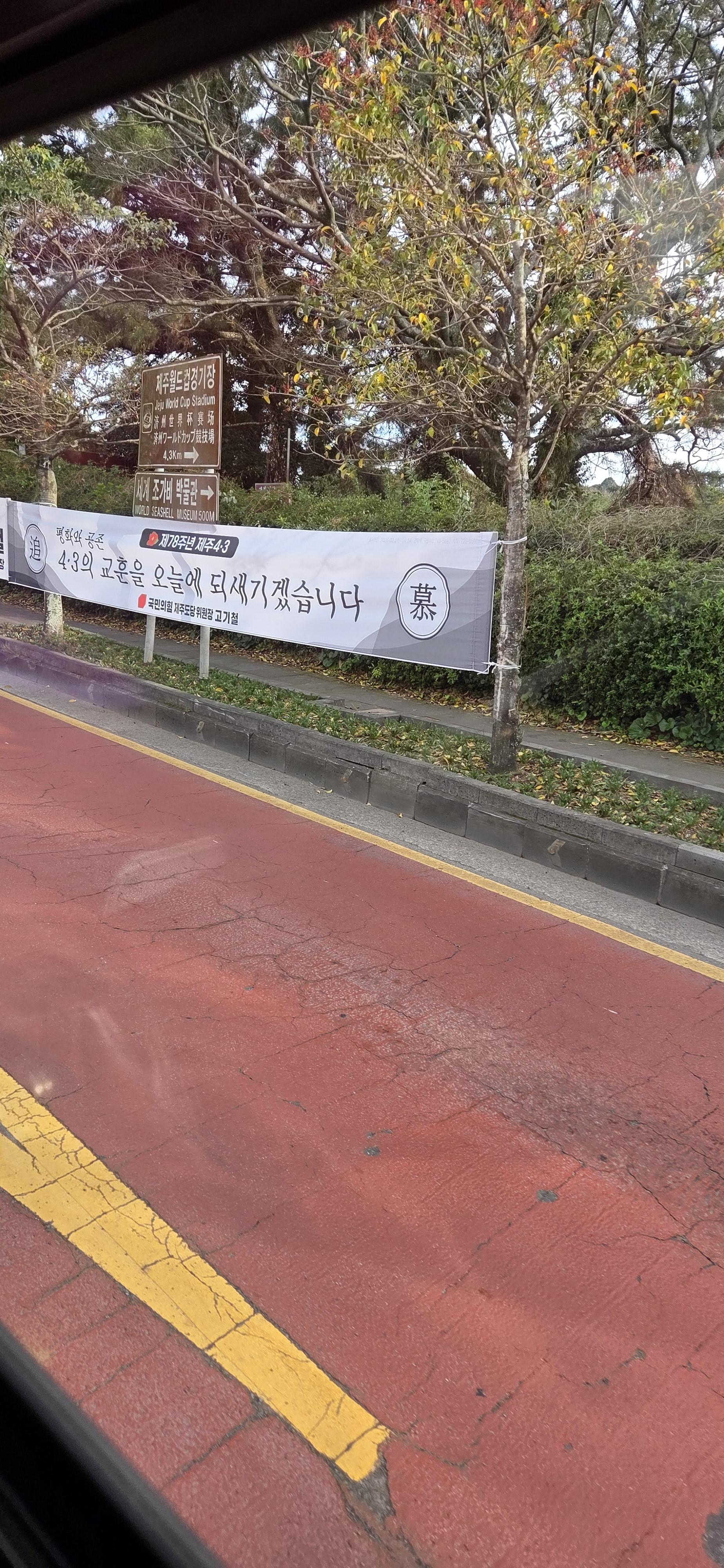
Even if you don't know much about Korean history, most people know that the Korean peninsula was split into North and South due to ideological differences: the North being communist, and the South being democratic. And while it is true that South Korea was aligned with democratic forces after World War II, it didn't become fully democratic until the 1990s. Between the end of World War II and the 1990's, there were three authoritarian leaders in South Korea, the first of which was South Korea's first President, Rhee Syngman. Today, we will learn about South Korea's fight for true democracy, specifically what that fight looked like on Jeju Island.
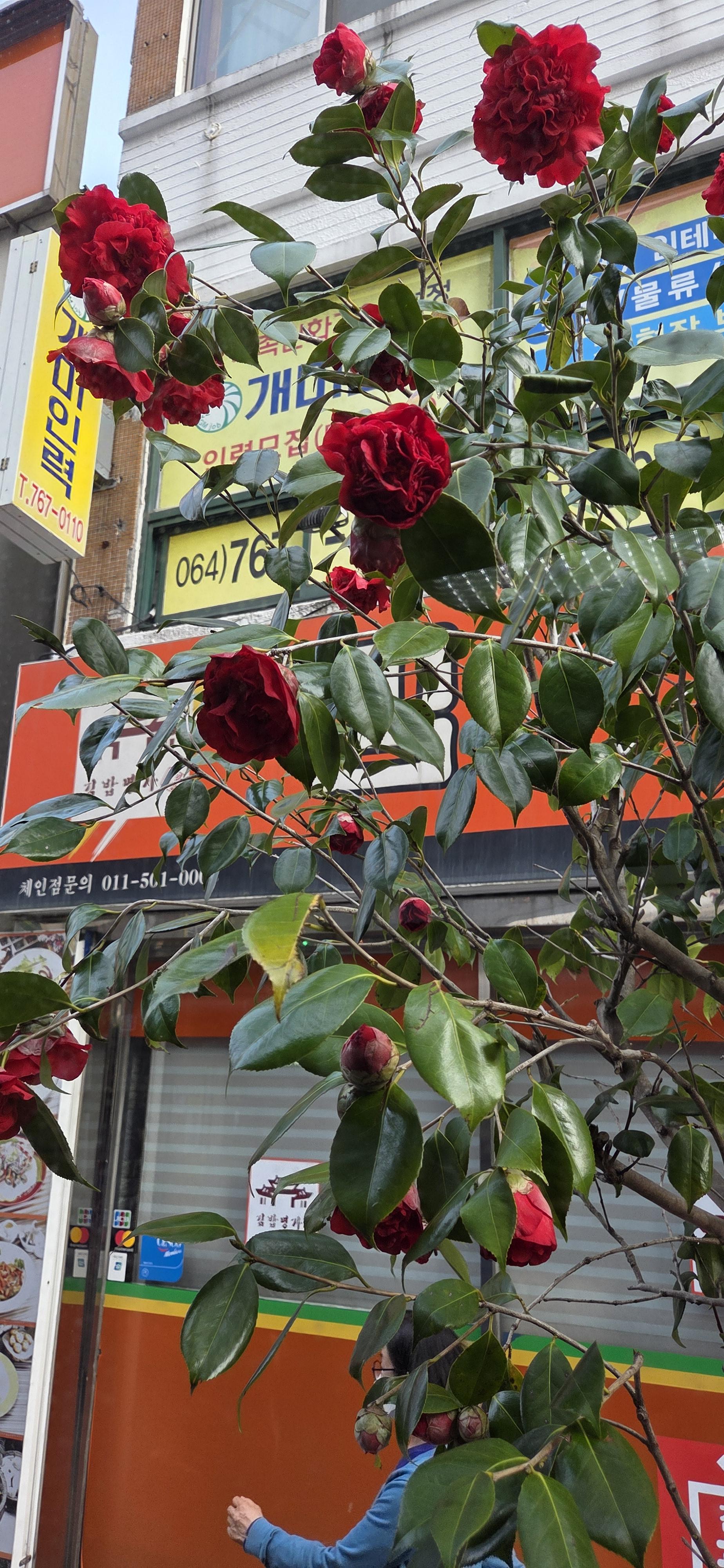
April third is a local holiday on Jeju Island referred to as "Sa-sam," literally meaning "4/3" or April third. Many memorial holidays like Sa-sam are named after the date the original historical event occurred on, including the Korean War, which is called "Yuk-I-Oh," or "6/25." Before coming to Jeju Island, I had never heard of Sa-sam, but my school and community held many educational events, which is how I came to learn about it.