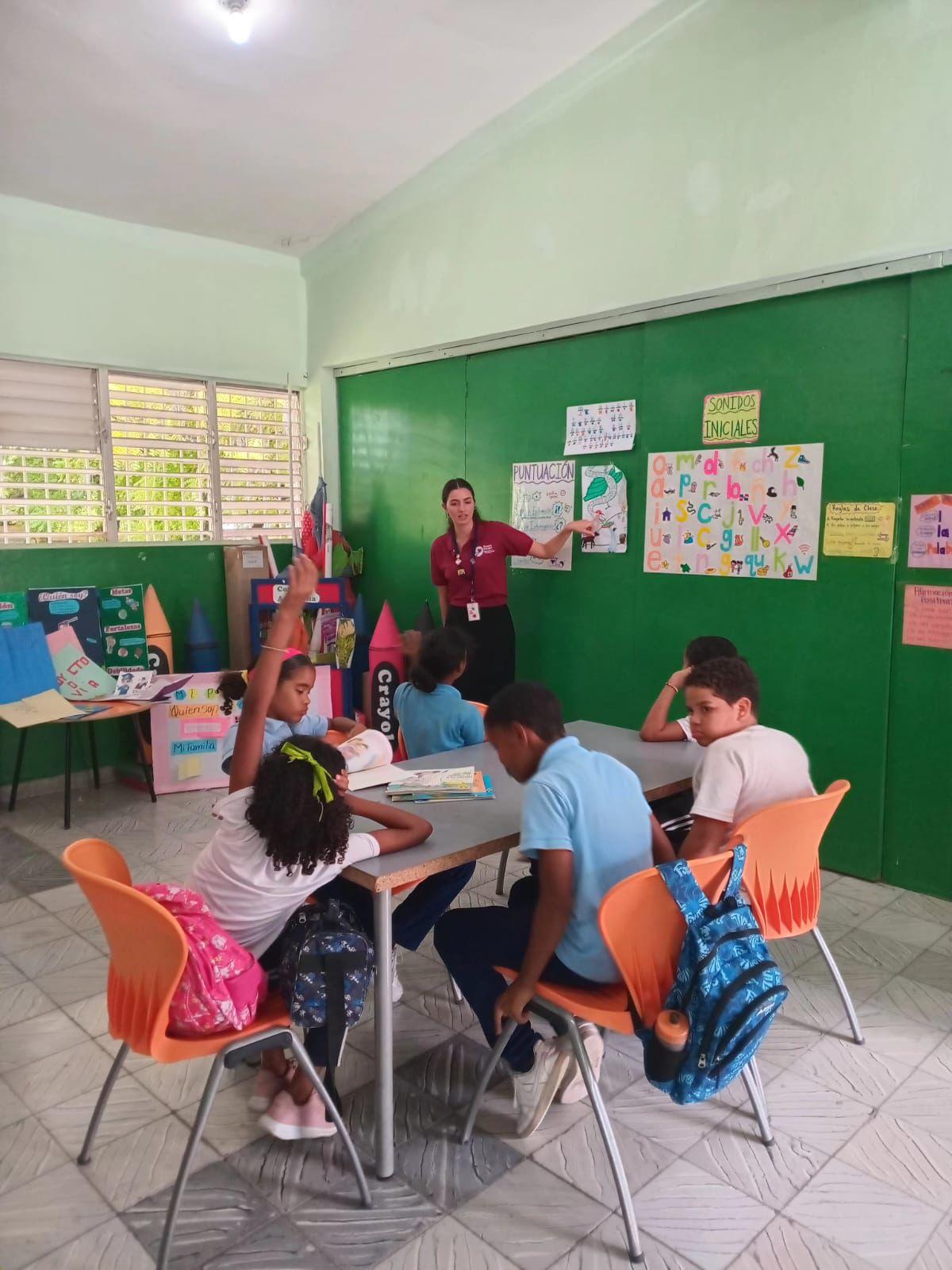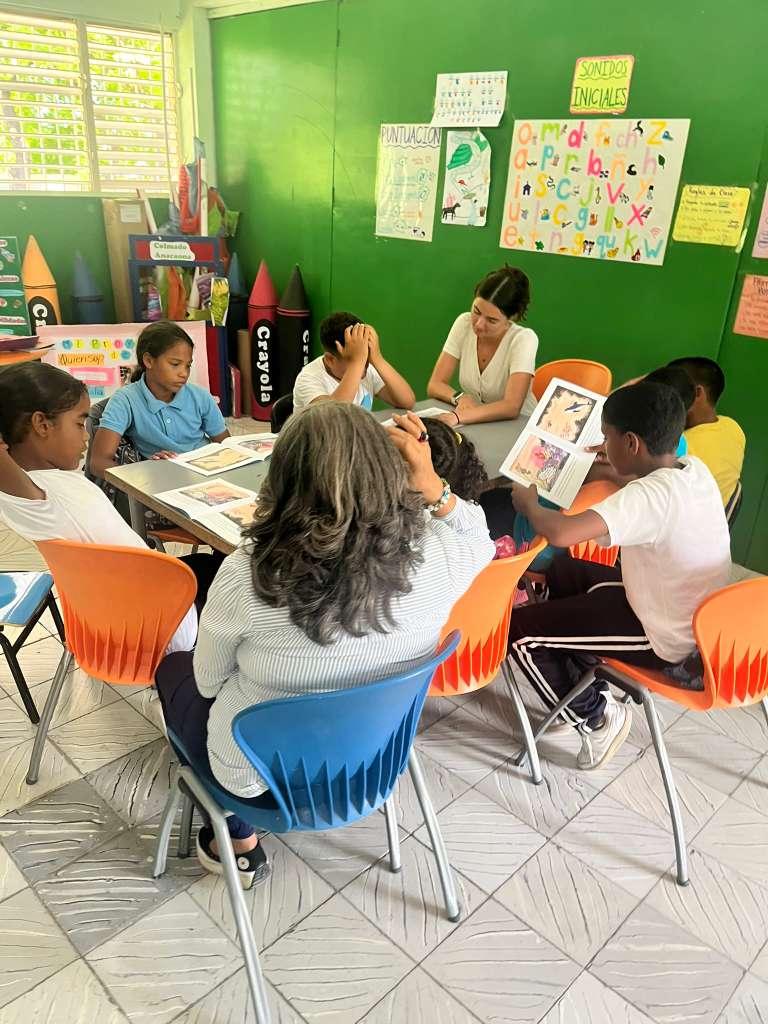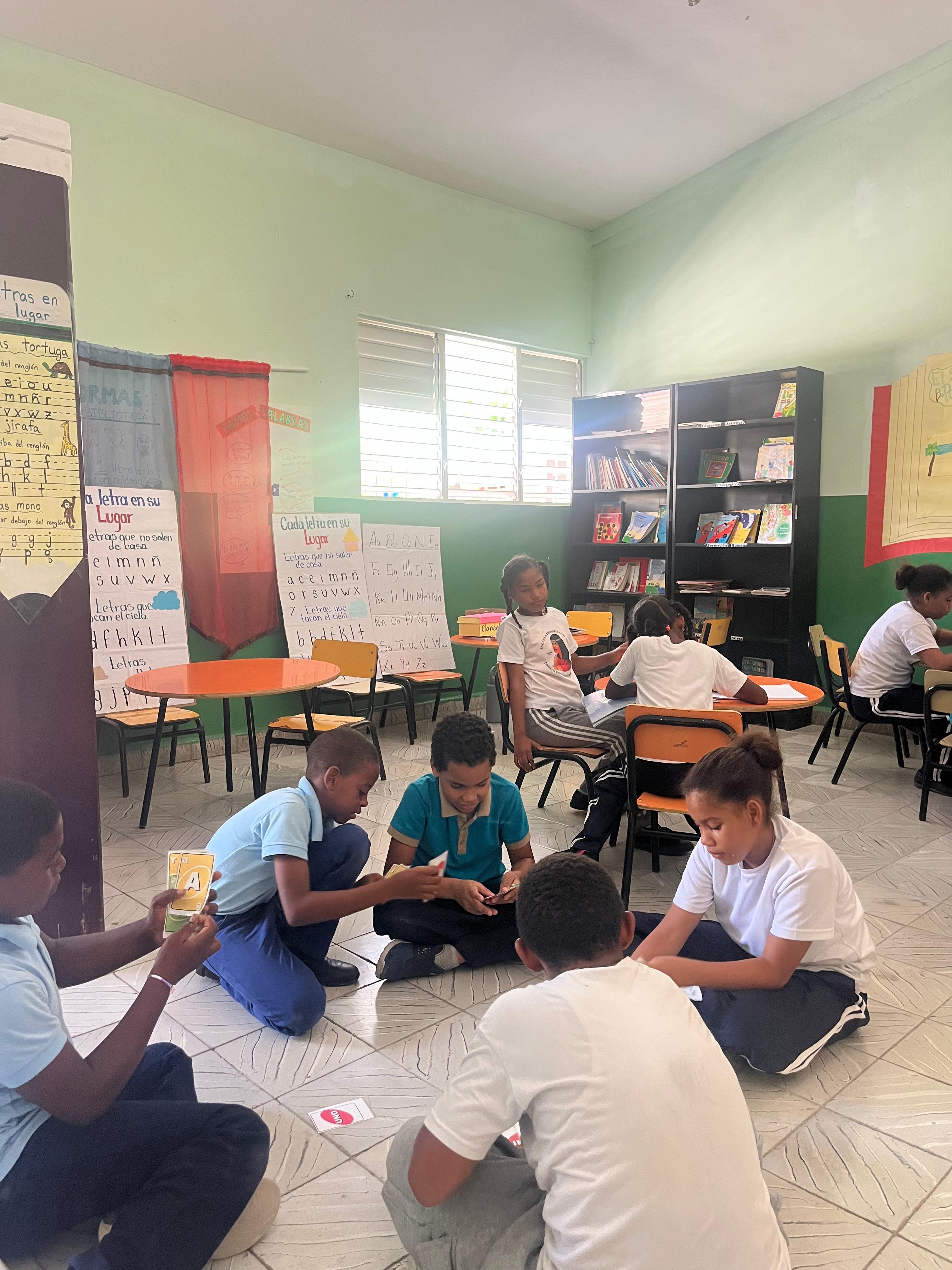
Para evitar que esto suceda, nos centramos en la intervención temprana y en brindar apoyo a los niños de primaria.
There are a number of reasons that this is a need. In some communities access to resources can be more limited. An example of this would be the average student to teacher ratio. This could be between 30-40 students for one teacher. Additionally, there could be issues related to climate. If children or teachers live outside of the community and the roads flood, which is common after heavy rains, people won’t be able to get to school. Similarly, there is a belief, especially in my area, that if you are out in the rain, you will get sick. Therefore, if it looks cloudy in the morning, people won’t go to school. This is essentially their version of a “snow day.” Or if it looks like it will rain in the afternoon, school will typically get let out early seeing as how most children walk home. All of these things are just a few examples of barriers to children getting the best education possible.
Hay varias razones por las que esto es necesario. En algunas comunidades, el acceso a los recursos puede ser más limitado. Un ejemplo de esto sería la proporción promedio de alumnos por profesor. Esta podría ser de entre 30 y 40 alumnos por profesor. Además, podría haber problemas relacionados con el clima. Si los niños o los profesores viven fuera de la comunidad y las carreteras se inundan, lo cual es común después de fuertes lluvias, la gente no podrá llegar a la escuela. De igual manera, existe la creencia, especialmente en mi zona, de que si estás bajo la lluvia, te enfermarás. Por lo tanto, si parece nublado por la mañana, la gente no irá a la escuela.