The dancers listen carefully, but also laugh and have fun. Because the lijerica player can change the jokes and commands anytime he wants, every Linđo dance feels new and different.
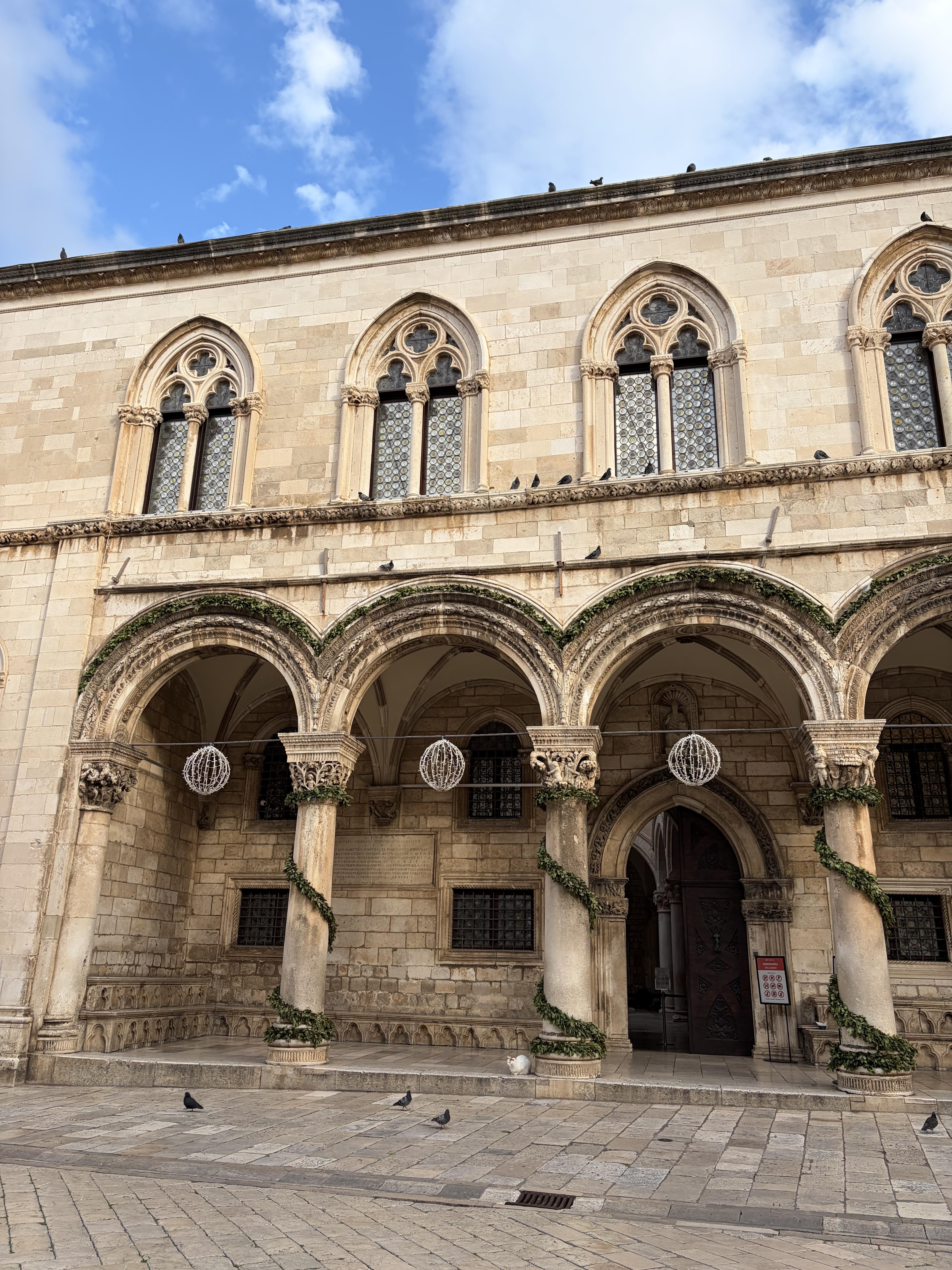
Communities keep the tradition of Linđo because it brings people closer together. In the time before phones, the internet and television, village dances were one of the main ways people spent time with each other. Linđo dancing happened during holidays, weddings and local festivals. Families, neighbors and friends all gathered to join the fun. Children watched the adults dance and learned the steps. Young people met new friends, and sometimes even their future husbands or wives. Because of this, Linđo helped keep the community strong and connected. My grandmother, who was a teacher, loves to tell the story of how she heard her students singing and dancing Linđo in the courtyard before school started. This was in a village in the mountains in the 1950s. When I was a kid, I remember watching Linđo performances in the Old Town. I was mesmerized by the dancers' colorful outfits and couldn't stop tapping my foot to the beat of the music. While I haven't tried doing the dance myself yet, I would love to one day; hopefully while I'm living here in Dubrovnik this year!