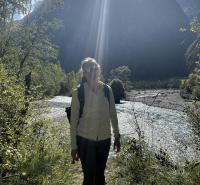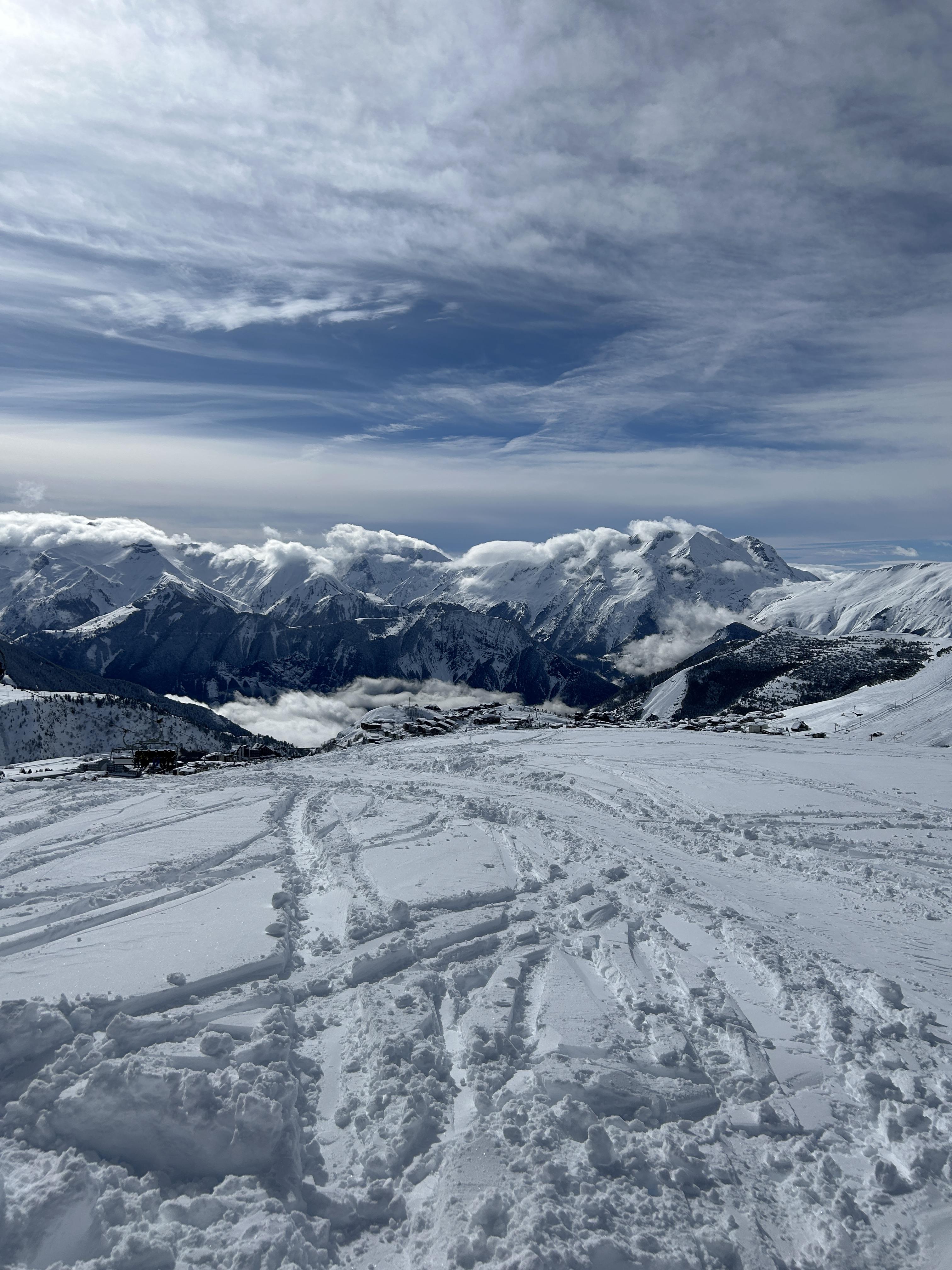
Water resources are something that impacts so many different aspects of ecology and human society, which is why I chose the specialization I did. We even got to explore a limestone cave in the Bourg d’Oisans mountains called ‘La Grotte de Coranache’!
From the recharging of aquifers to the impact of climate change on snow melt, to the flooding risks associated with different landscapes, I felt overwhelmed by just how broad the field of earth sciences and climate systems really is. Seeing visually how these glaciers changed the land over such a large time frame, and then also understanding the changes to rivers and human societies.
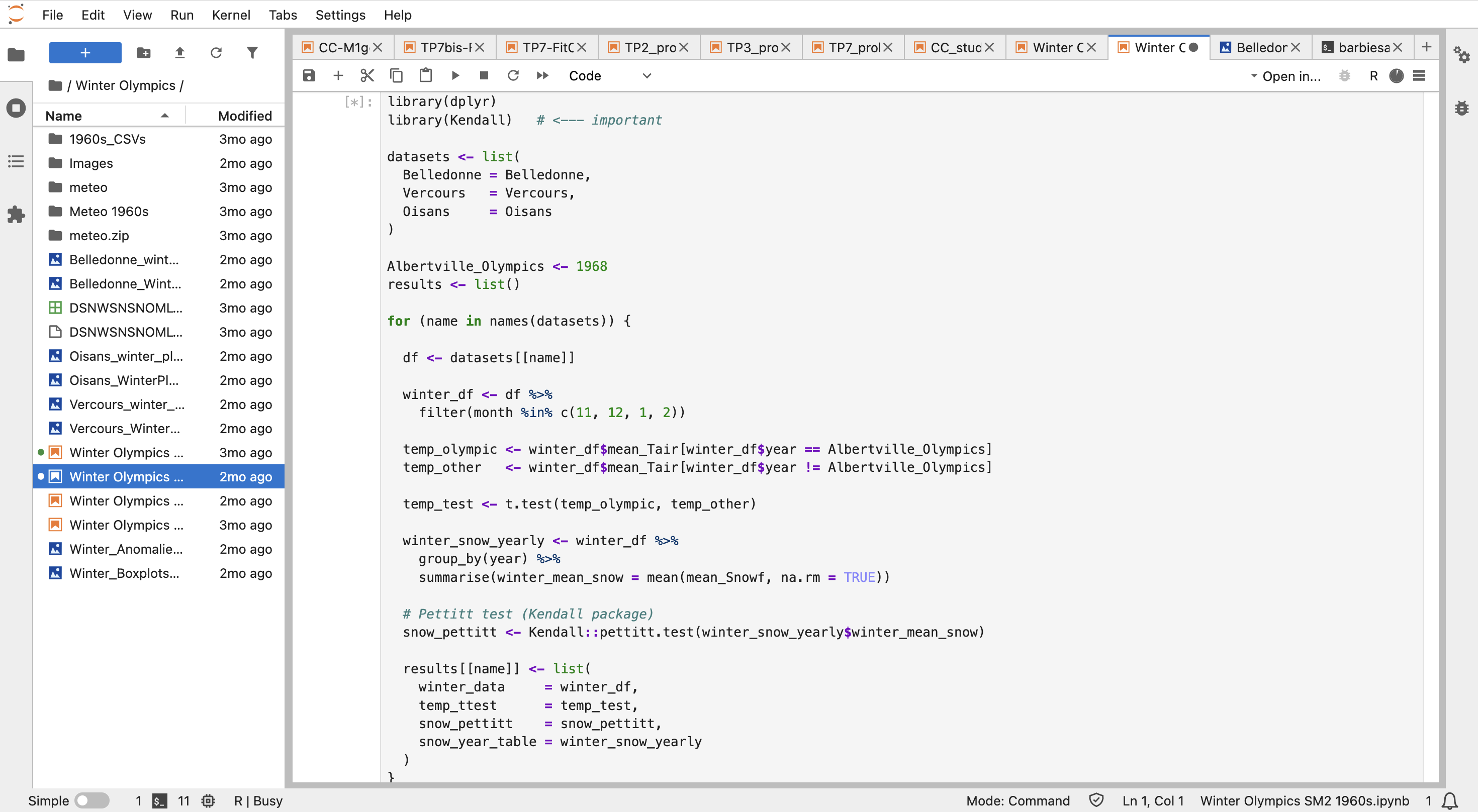
Once I began my courses, I was immediately thrown into learning a new language, and it wasn’t French. It was coding. I had a little bit of experience in R before, but never at the level that was expected! I ended up taking courses in climate modelling and can now say that I am proficient in both Python and R. It is pretty cool that I am able to take large data sets and code from scratch a way to isolate the information I want, create graphs, maps, and even develop models to predict the future!
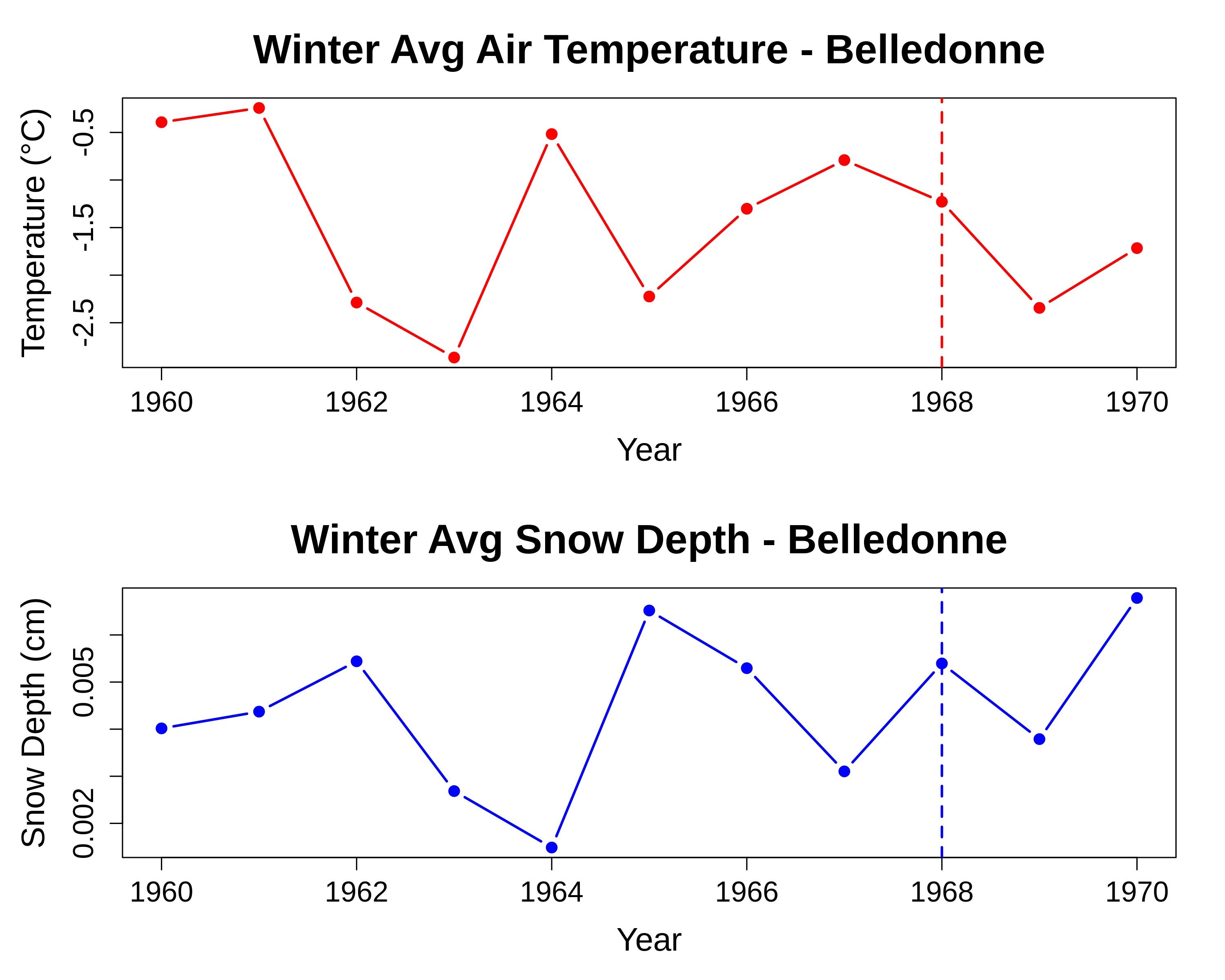
One exciting project I got to do was looking at snowpack in the Winter Olympics, which is especially relevant given the recent Olympics in Italy! It was recently decided to hold the 2030 Olympic Games in France, following those of 1968 (Grenoble) and 1992 (Albertville). It was my job to do what is called a "meteorological reanalysis" to try to assess the weather risk involved in organizing the Olympics. I used coding in R to analyze the historical data of snow and temperature to understand if the Olympics were a “lucky” year or not and what the trends look like over time.