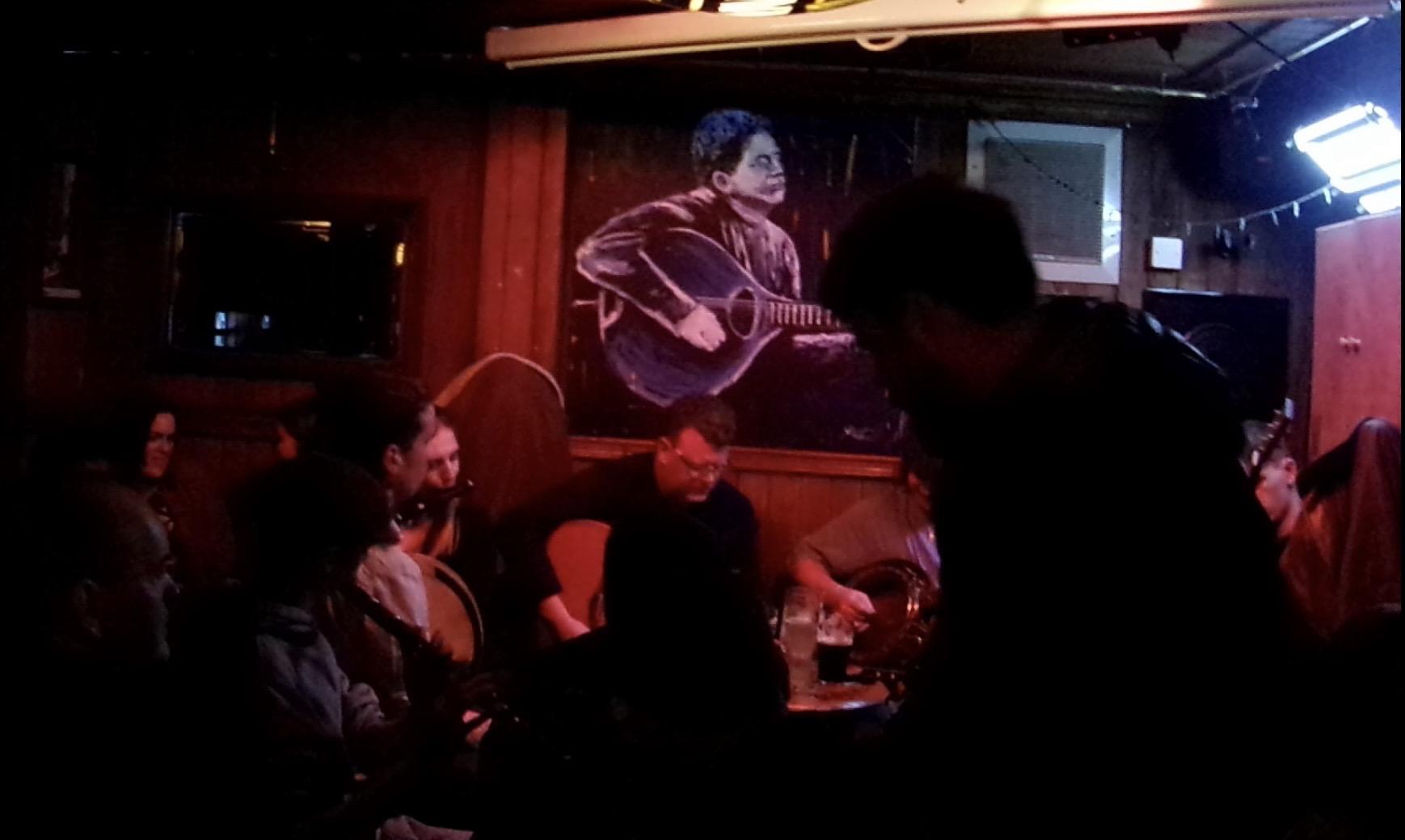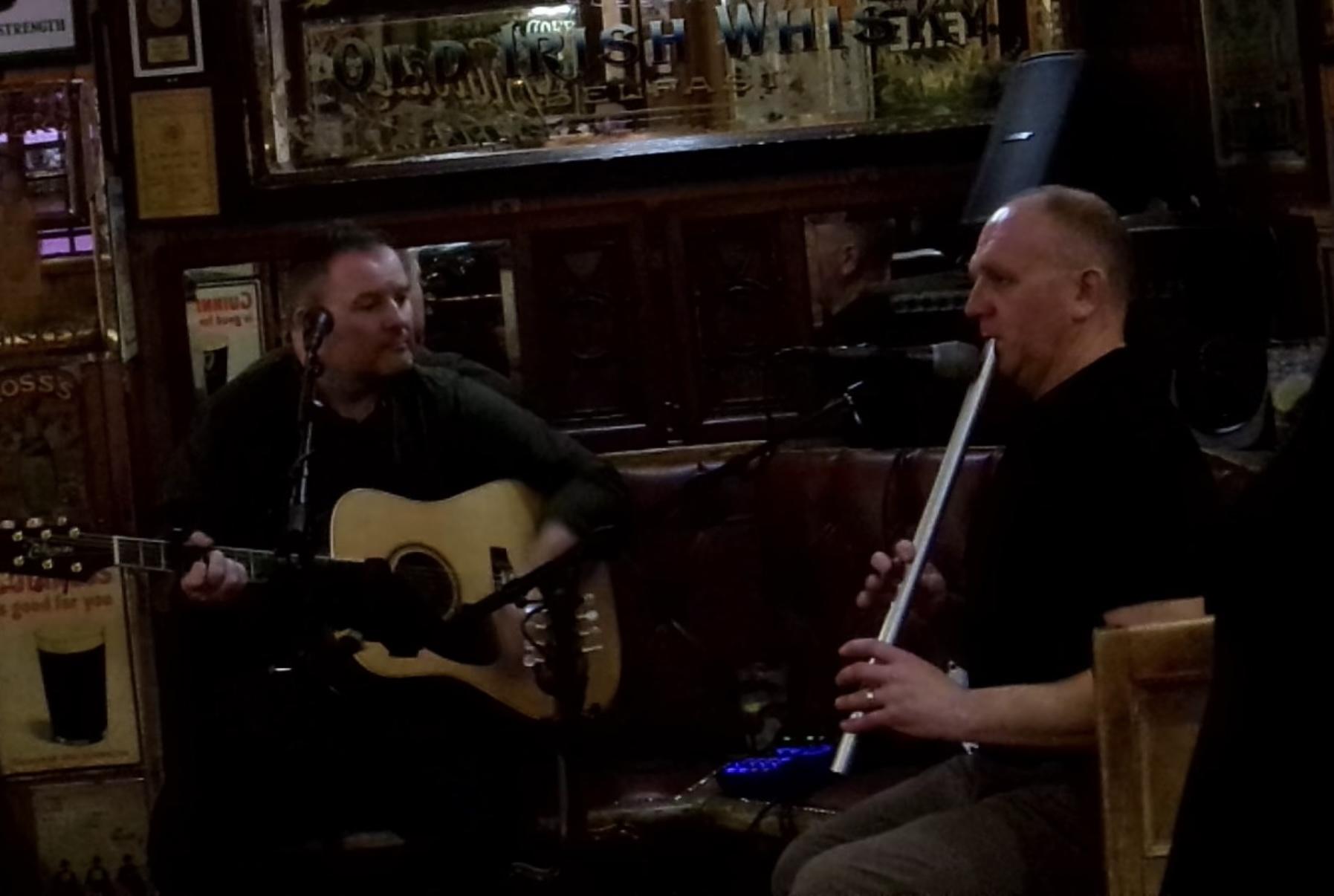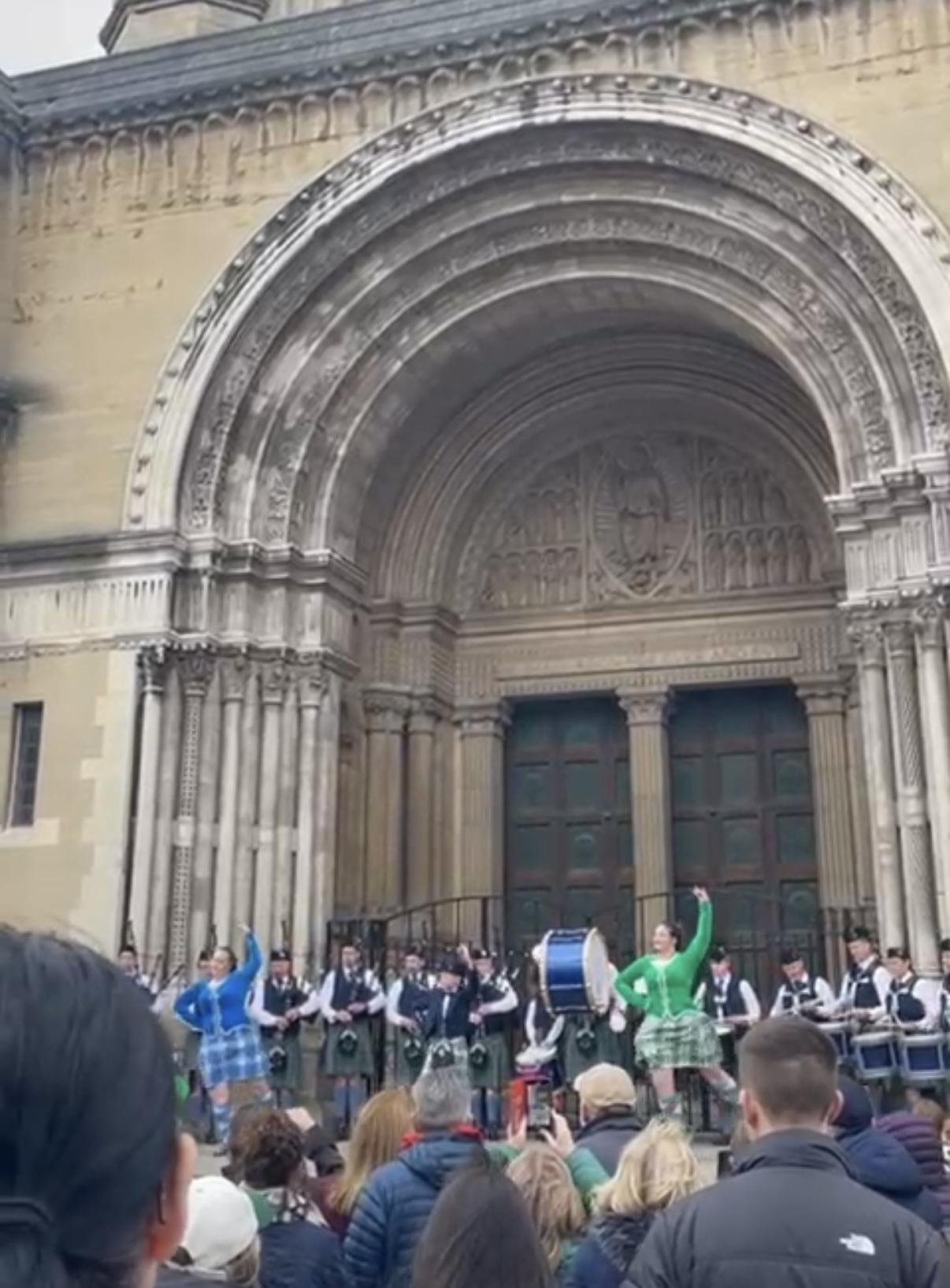
As a former dancer, a part of Irish culture that has always interested me, especially since moving here, is the importance of traditional dance. I have learned a lot about this Irish tradition between being surrounded by Irish "trad" music and watching my friends take Irish dance lessons and attend céilís (a type of gathering).
In Ireland and Scotland, I learned about a type of gathering called a céilí, pronounced “kay-lee.” These events combine traditional folk music and dancing, and sometimes include poetry and storytelling. The word céilí comes from the Gaelic word for “gathering.”
Like many cultures, Celtic peoples (descended from some tribes across Europe, speakers of Celtic languages like Irish, Welsh and Scottish Gaelic) have what is called a strong “oral tradition,” meaning that stories, history and other important cultural practices are passed down by word of mouth instead of being written down. While dancing gatherings likely existed long ago, written records of céilís date back to the 1400s. In the 1600s, when the English government controlled Ireland, many Irish cultural practices, including céilís, were banned. During this time, “Dancing Masters” traveled to rural areas to secretly teach traditional dances. These dances became more detailed versions of earlier folk traditions.