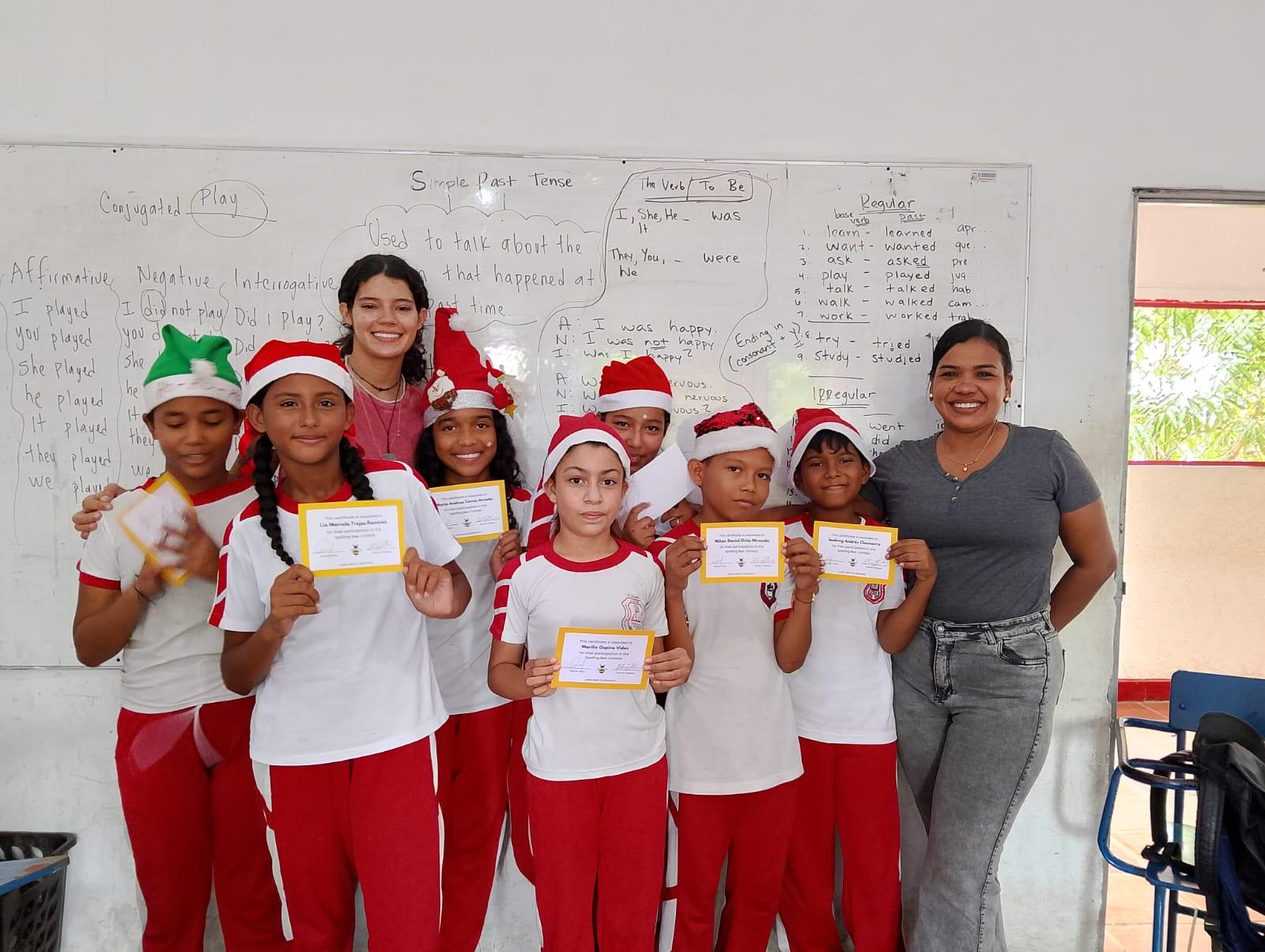
The demand for English for university and career opportunities has grown exponentially over the last few decades. In Colombia, the nationwide college-entrance exam has an English portion which impacts a student's ability to qualify for certain programs and scholarships. Furthermore, career opportunities that require English, such as call centers, banks, diplomatic work or numerous tourism-related jobs, often pay more.
Therefore, many towns, like Plato, look for opportunities to strengthen English opportunities for students and improve English teaching strategies or resources. However, in the majority of rural Colombia, access to English resources is scarce. English teachers in these areas often work with limited English training due to a lack of educational support systems or native-English experiences. Plato, especially, while larger, is also more isolated and lacks tourism. This means that accessible English opportunities are often harder to come by, here.
English education across Colombia has dramatically improved in the last few decades due to increased initiatives by the government, the continued globalization of the English language and advances in technology.
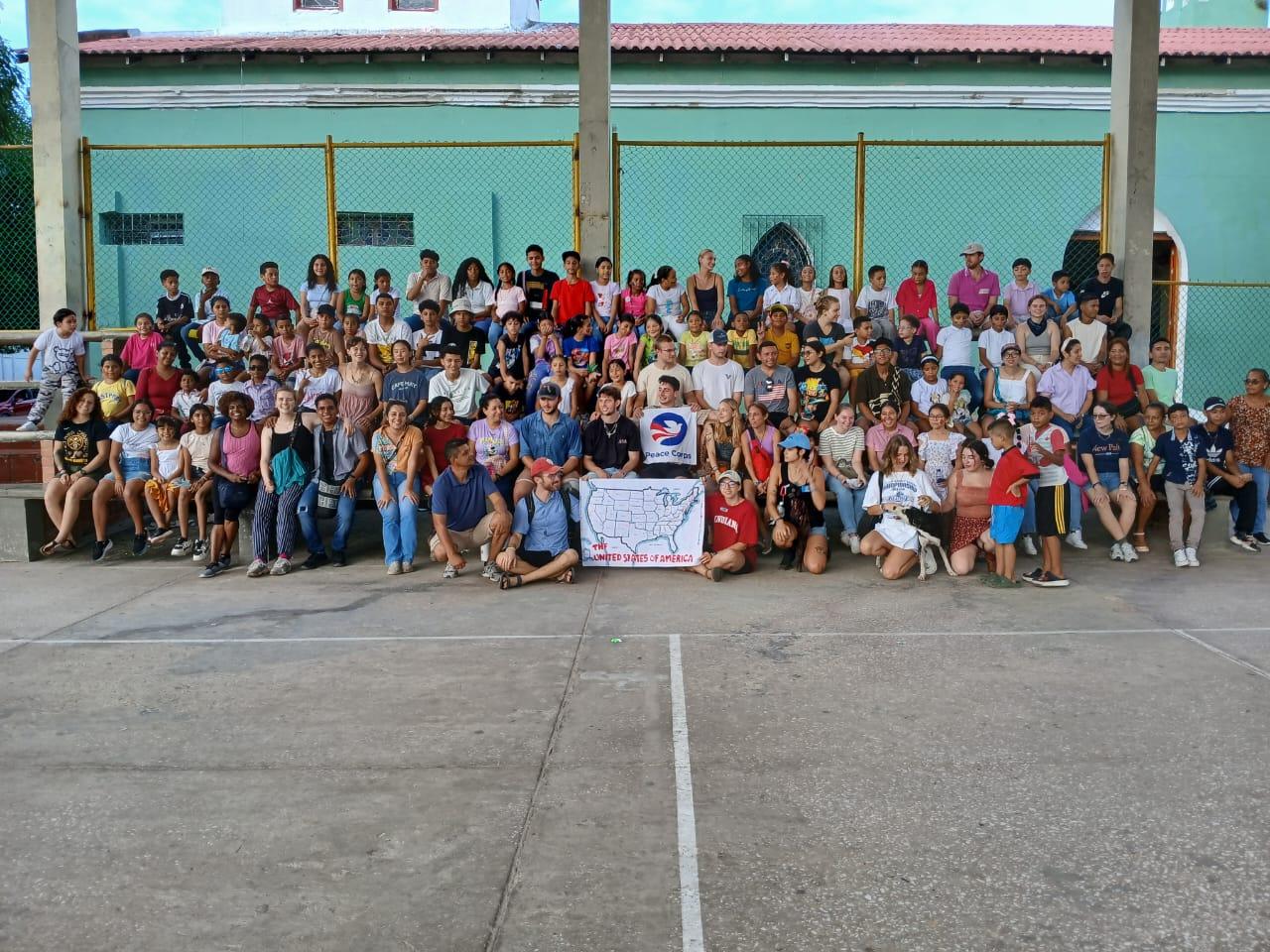
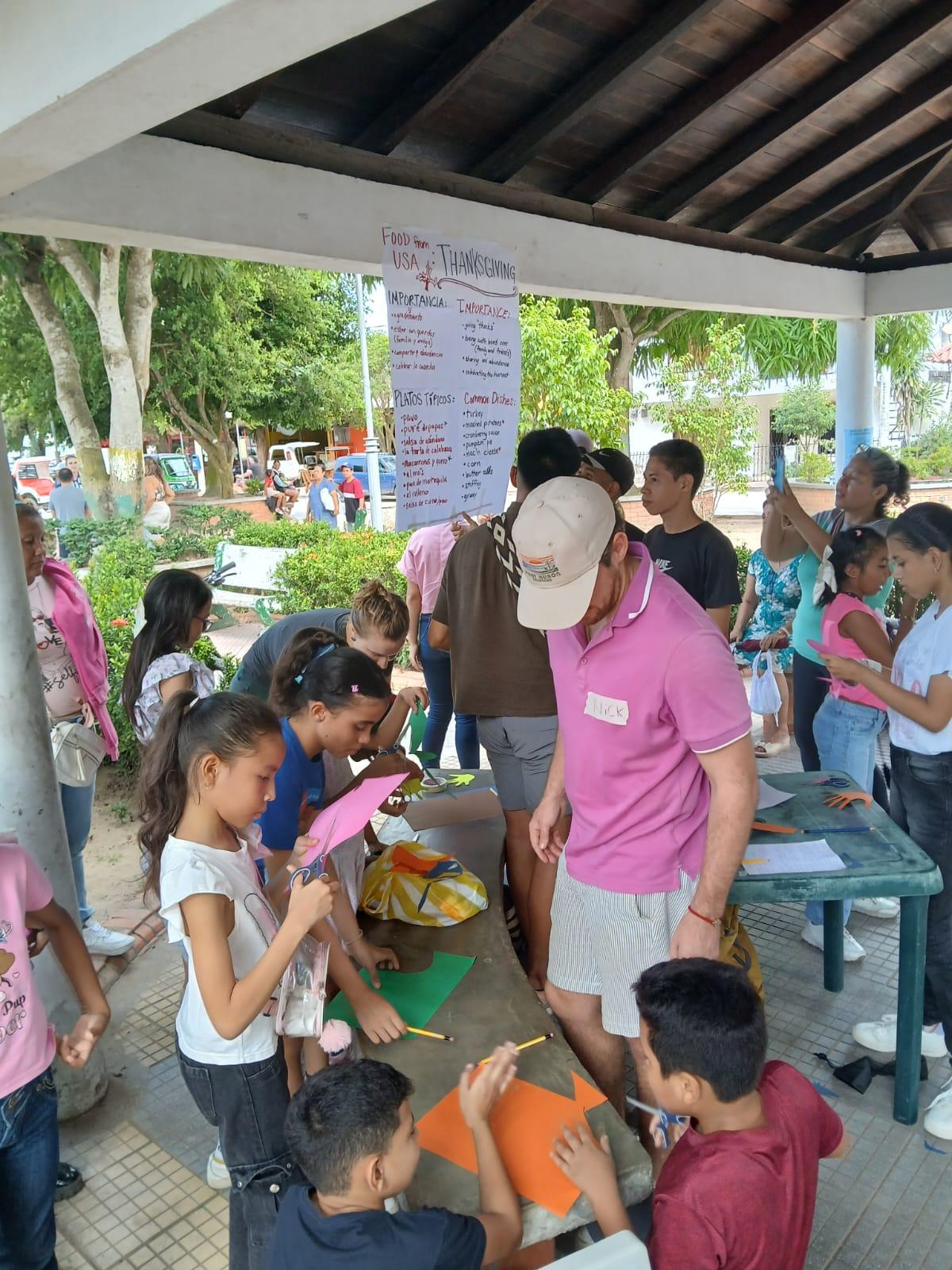
The Peace Corps, the organization that I work for, also helps serve Colombia in this way. The Colombian government directs the work of the Peace Corps where it needs it the most, which is how I was placed to live in Plato, Magdalena. As a native speaker, I am a resource for people who need to practice their pronunciation.