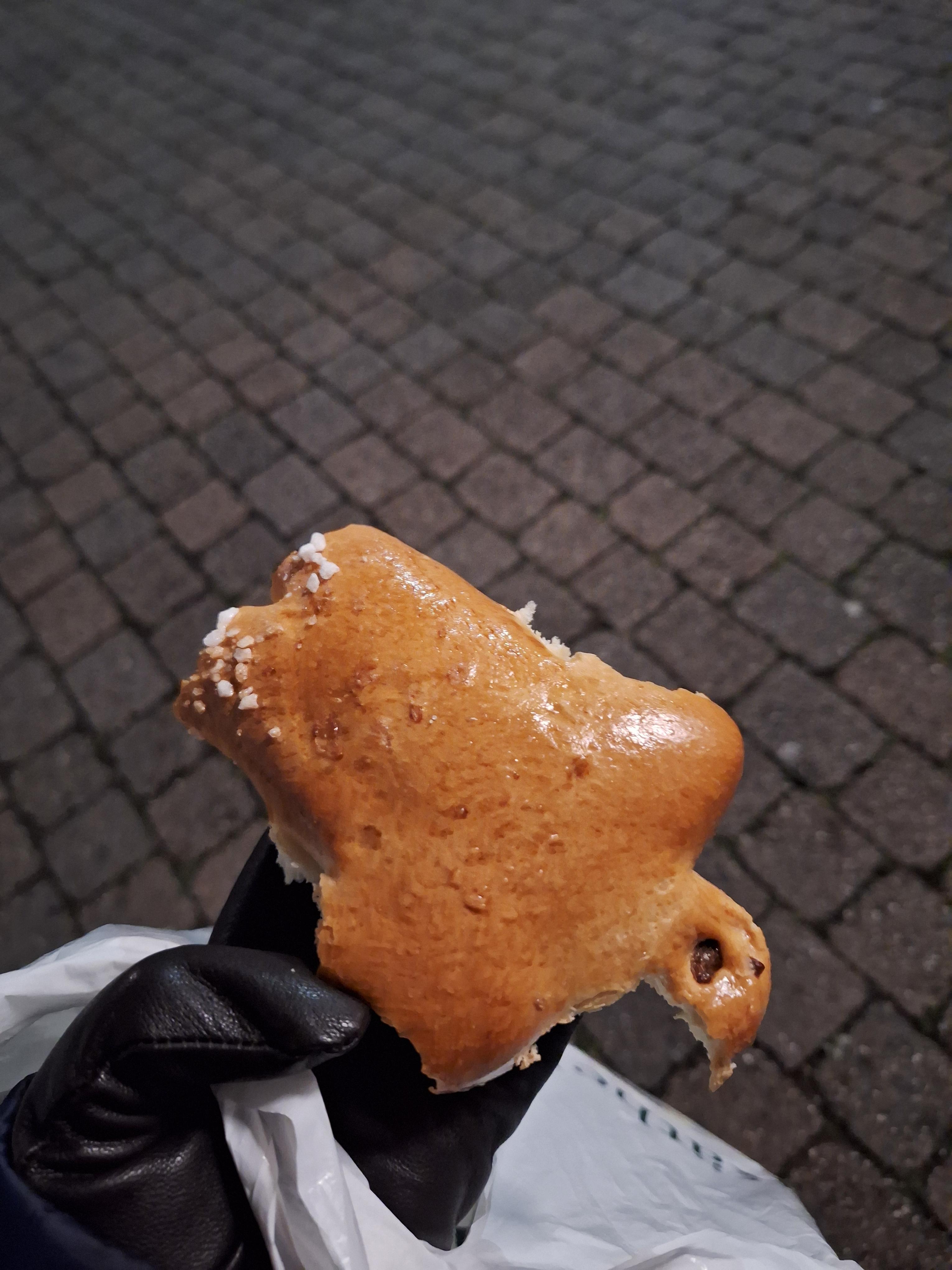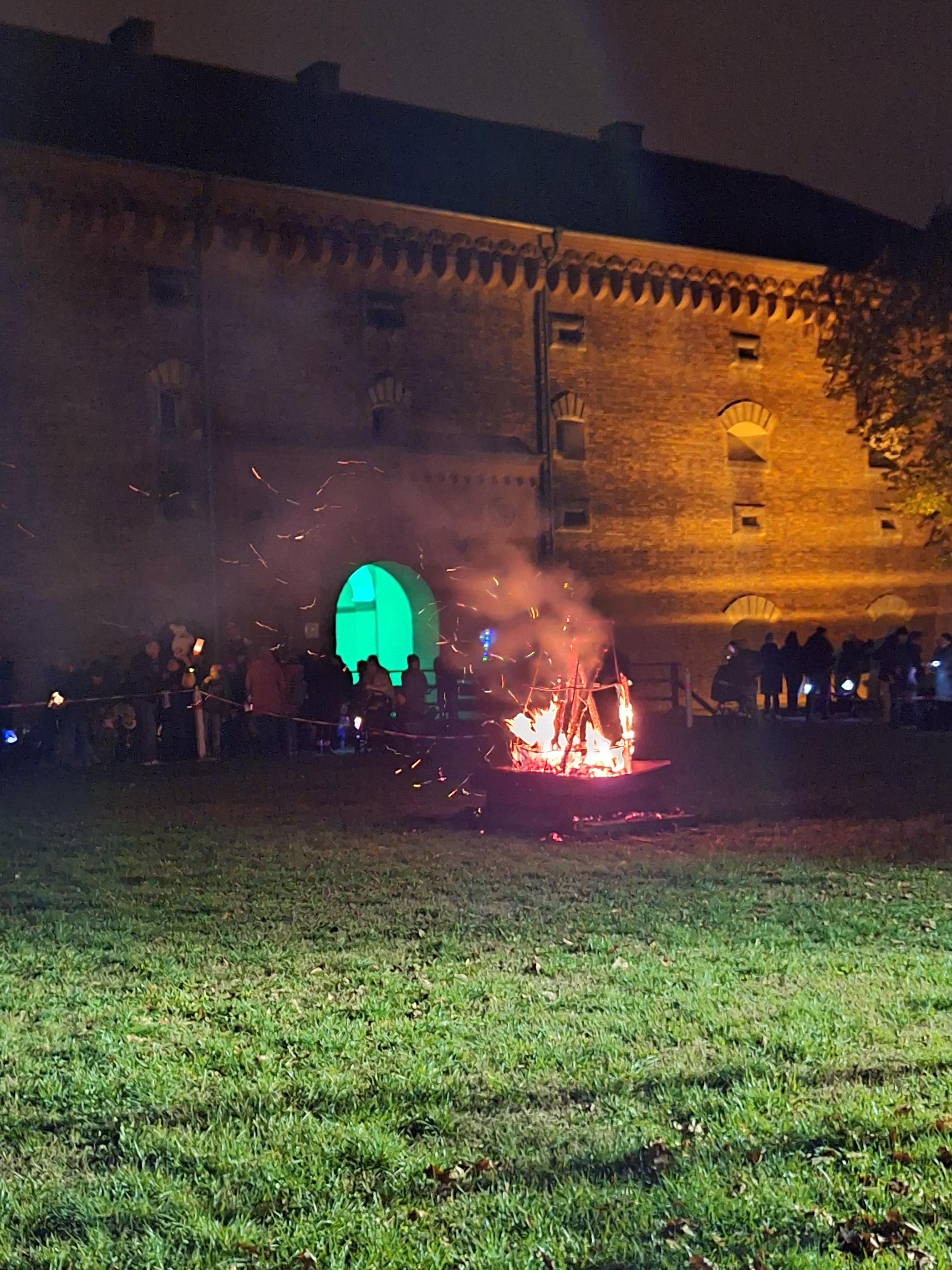
I joined the line, with no clue what I was going to be getting. Once I got to the front and received my Hefekerl, I was filled with joy. Such luck brought me to this place! As soon as I took a bite, my happiness doubled. The bread was so simple, yet so soft and delicious. I loved taking a bite off of the little arms and legs, saving the raisin eyes for last. I wandered around the park, watching the families as I ate and it felt truly freeing.
Like any other sweet bread, the primary ingredients are flour, sugar, milk, butter and yeast. The trickiest parts are:
First, giving the dough the correct amount of time to rise so that the bread produced will be nice and fluffy. Secondly, to form the dough shape in such a way that, once cooked, our “yeast guy” looks like he has the right shape. If he cooks unpredictably or is too thin or thick in different parts, he may turn out to look creepy or taste under or overcooked in certain sections.
Overall, there is a lot of room for creativity! So far, I have only talked about St. Martinstag, which is on November 11th, because this is the context where I tried my Hefekerl. However, Hefekerl is also served on another minor German holiday -- St. Nikaloustag. I mentioned that some Hefekerl have a cane. The cane is there as a symbol of St. Nikolous. In the United States, we think of St. Nicholas and Santa Claus as the same person; but in Germany, they are actually separate people. St. Nikolous has his very own holiday, set apart from Christmas, which takes place on Dec. 6th.